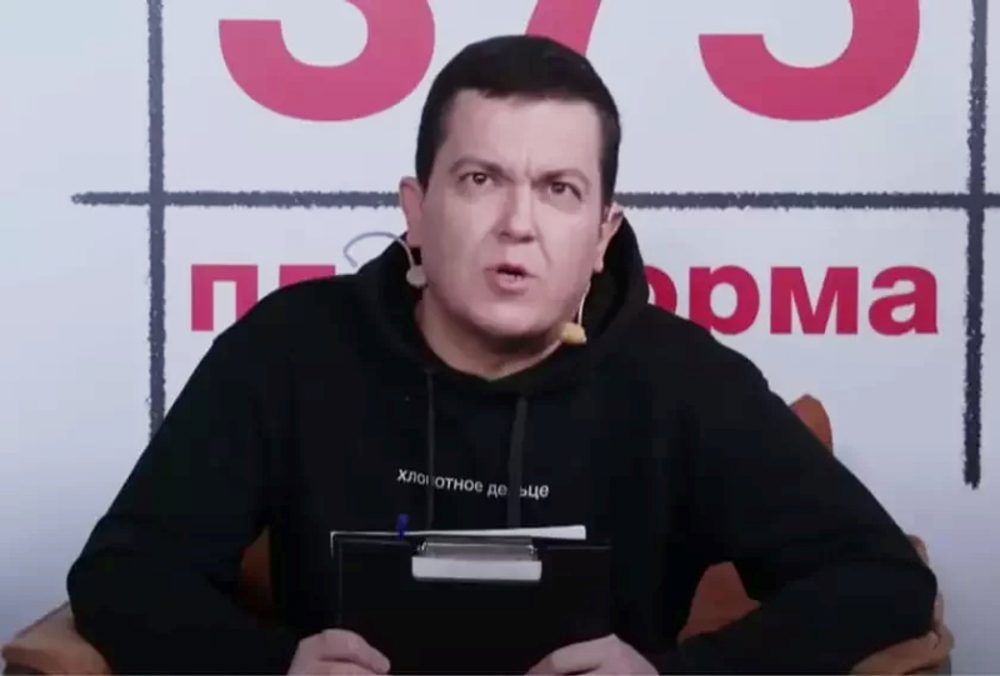

Family members of a detained Belarusian journalist are sounding the alarm about his deteriorating health condition, demanding his immediate release from prison to prevent his death.
Kiryl Pazniak, age 49, has been held in custody since authorities arrested him in September on extremism-related charges, which critics say are commonly used to silence opposition voices. The former YouTube show host could face up to seven years in prison if found guilty.
His 20-year-old daughter has also been detained on similar extremism charges. Human rights defenders have classified both as political prisoners.
According to his former wife Elena, Pazniak is battling pneumonia and COVID-19, and was transferred to a prison medical facility this month in critical condition. She contends that authorities have failed to provide him with appropriate medical treatment, putting his life at serious risk.
Government officials in Belarus have not yet responded to reports about Pazniak’s medical status or allegations of inadequate healthcare.
“Freedom of speech in Belarus has a specific price, and today 21 journalists behind bars, including Pazniak, are paying for it with their health and ruined lives,” said Andrei Bastunets, head of the Belarusian Association of Journalists. “Belarus has already become a black hole of Europe and leads the continent in the number of arrested journalists.”
The nation’s authoritarian president, Alexander Lukashenko, has maintained strict control over the country of 9.5 million people for over thirty years. Western countries have imposed multiple sanctions on Belarus for its human rights violations and for permitting Moscow to launch attacks on Ukraine from Belarusian territory starting February 24, 2022.
Mass demonstrations erupted following the 2020 presidential election, with hundreds of thousands of citizens protesting what they believed was a fraudulent vote. The government responded with widespread arrests, detaining tens of thousands of people and subjecting many to police violence. Key opposition leaders either fled abroad or were jailed.
After U.S. President Donald Trump resumed office in January 2025, Lukashenko freed hundreds of political detainees through agreements negotiated by American officials, which resulted in the removal of certain U.S. sanctions as the isolated leader seeks better relations with Western nations.
Despite these releases, human rights organizations report that Belarusian officials continue suppressing opposition activities. The Viasna human rights center reports that 841 political prisoners remain in custody throughout Belarus.