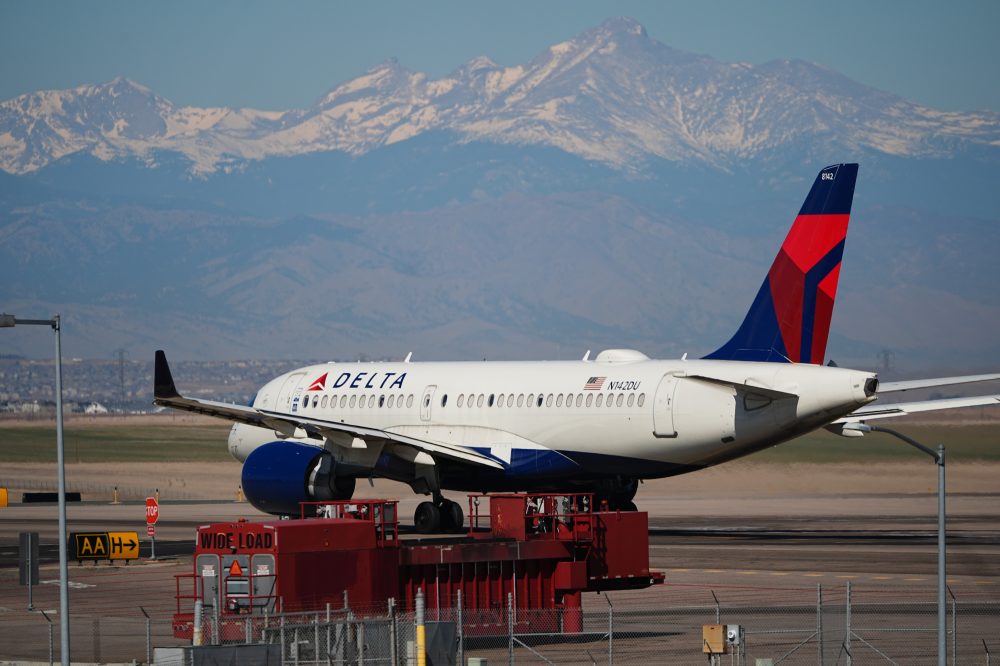

Delta Air Lines on Tuesday revealed plans to increase baggage charges, becoming another major U.S. airline to respond to escalating jet fuel expenses linked to ongoing Middle East warfare.
Starting Wednesday, travelers on domestic flights and short international routes will face $10 higher costs for their first two checked bags, while third bag fees jump $50. The new pricing structure sets first bag fees at $45, second bags at $55, and third bags at $200, Delta confirmed.
“These updates are part of Delta’s ongoing review of pricing across its business and reflect the impact of evolving global conditions and industry dynamics,” the carrier said in a statement.
This represents Delta’s first domestic baggage fee increase in two years. International long-distance flight baggage costs remain unchanged.
Last month, CEO Ed Bastian informed investors that rising jet fuel expenses have already increased Delta’s operational costs by approximately $400 million since fighting erupted on February 28. Leadership teams at United Airlines and American Airlines have reported comparable cost increases.
Jet fuel prices in major cities including Chicago, Houston, Los Angeles and New York averaged $4.69 per gallon on Monday, nearly doubling from $2.50 before the war began, data from Argus Media shows. The energy intelligence firm monitors pricing across these key aviation centers.
Delta confirmed that free baggage allowances will continue for premium cabin passengers, active military members, qualifying co-branded credit card users, and certain loyalty program members.
The Atlanta-based airline’s decision comes after United and JetBlue implemented similar baggage fee increases last week, though both maintained free first bags for select customers.
Aviation companies worldwide are struggling with unpredictable oil markets as combat near the Strait of Hormuz threatens global petroleum supplies. Approximately 20% of worldwide oil shipments pass through this critical waterway. Since jet fuel derives from crude oil, energy price fluctuations directly impact airline operating costs, with fuel representing carriers’ second-largest expense behind personnel.
Beyond raising ticket costs, industry experts predict U.S. airlines will increasingly rely on additional service fees to counter higher expenses, while international carriers are implementing or expanding fuel surcharges.