
Delaware’s youngest elementary students continue facing academic challenges linked to the COVID-19 pandemic, even though most were infants or not yet born when the crisis first disrupted schools in early 2020.
A new study released Tuesday by education research organization NWEA reveals that first and second-grade students are underperforming compared to their peers from before the pandemic on both mathematics and reading assessments. While math performance shows gradual improvement each year, reading abilities have remained flat since spring 2021.
The findings suggest the academic struggles extend beyond simple classroom interruptions to broader changes in society during the pandemic years.
“There’s something kind of systemic here happening … within schools and outside of schools,” explained NWEA researcher Megan Kuhfeld. “We can’t pinpoint one specific cause.”
The pandemic’s impact on older students has been extensively documented – remote learning replaced in-person instruction, children missed crucial face-to-face time with teachers, mental health declined during isolation periods, and some students stopped attending school entirely.
Federal funding totaling billions of dollars was distributed to school systems nationwide to address learning gaps, producing varying degrees of success. Recent national testing data from 2024 shows fourth and eighth-grade reading scores continuing to decline, though math performance has shown upward movement.
Because standardized testing for younger children occurs less frequently, the NWEA research provides valuable insight into how deeply the academic disruption affected early learners. The study analyzed test results from students during the current 2024-25 academic year.
Kindergarten students maintained steady math and science scores throughout the pandemic period. However, first and second-graders mirror patterns seen in older students, with both subjects scoring below pre-pandemic benchmarks despite math showing slow recovery.
Reading scores have essentially stagnated since the conclusion of the first complete pandemic school year in spring 2021.
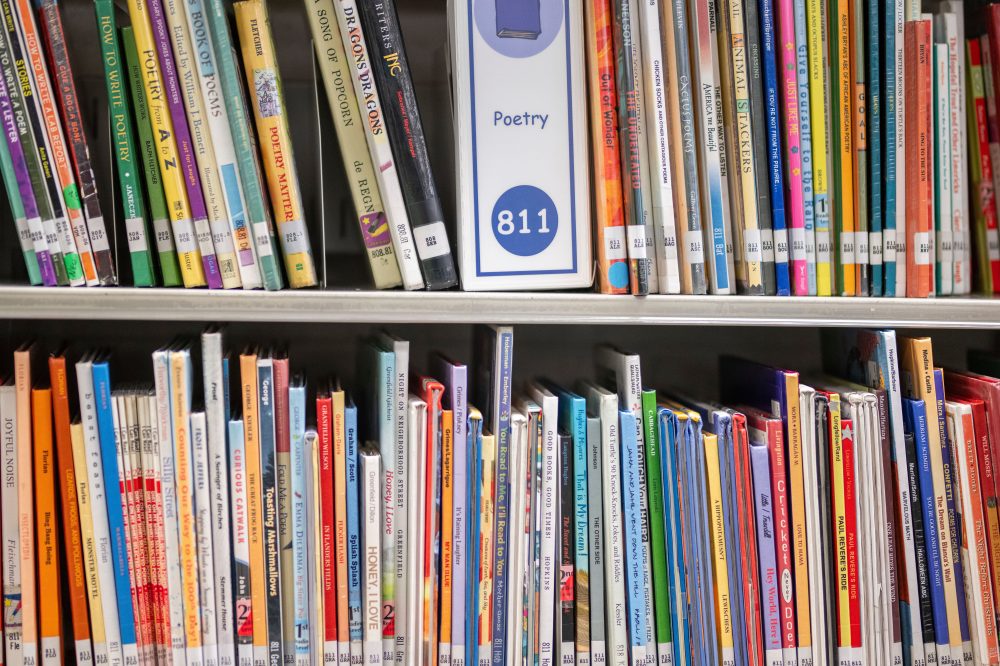
Researchers point to several potential contributing factors, including emerging evidence that fewer parents are reading aloud to their children – an activity proven to enhance literacy development. A 2024 survey conducted in the United Kingdom found less than half of children under age 5 receive regular read-aloud time, representing a 20-point decrease from twelve years earlier.
Some school districts report success in addressing the reading challenges. Minnetonka Public Schools near Minneapolis says their reading scores have rebounded to pre-pandemic levels through increased emphasis on phonics instruction and regular literacy assessments. Students needing additional support receive targeted help in specific areas where they struggle, such as having difficulty with oral reading practice with classmates.
However, certain factors remain beyond schools’ influence. Associate Superintendent Amy LaDue noted that many young children spent extended time at home during the pandemic, missing experiences like museum visits and peer interaction that support language and literacy growth. This particularly affected children from lower-income households.
“These kids weren’t in school when the pandemic happened, but (some) were … in early childhood and preschool,” LaDue observed. “Their opportunities … to have those experiences outside of their home that build literacy skills and to apply them with peers probably were impacted because they were home.”
In response to these challenges, numerous states and municipalities are expanding early childhood education programs. California has implemented universal pre-kindergarten, while New York City is extending pre-K programs to include 2-year-olds. New Mexico has eliminated child care costs for nearly all families.