
Petroleum markets retained most of their substantial gains from Monday during early Tuesday trading, driven by ongoing confusion about diplomatic discussions between Washington and Tehran and potential reopening of the Strait of Hormuz.
Conflicting reports emerged Monday about the status of negotiations, with the president stating that discussions with Iran were continuing, while Tasnim news agency reported Tehran had paused indirect talks with Washington.
Brent crude futures climbed 6 cents, representing a 0.06% increase to $95.04 per barrel at 0001 GMT, while U.S. West Texas Intermediate dropped 17 cents, or 0.18%, to $91.99 per barrel.
Both petroleum benchmarks had surged over 5% during Monday’s session but reduced those increases after the president indicated he hadn’t received confirmation that Iran was halting discussions with Washington and that Israel had committed to withdrawing forces preparing for potential attacks on southern Lebanon.
During a Monday CNBC interview, the president expressed indifference about whether negotiations concluded.
Later, the president posted on social media that talks with Iran were ongoing and told ABC News Monday he anticipates an agreement to extend the ceasefire and reopen the Strait of Hormuz “over the next week,” according to the outlet’s X post.
“The market is currently focused on whether there’s any concrete progress or setbacks in U.S.-Iran negotiations, the tone and substance of statements from both sides (particularly Iran’s threats regarding the Strait of Hormuz), and actual physical tanker movements through the waterway,” said Tim Waterer, chief market analyst at KCM Trade.
Waterer noted that the diplomatic negotiations’ status will ultimately decide whether current risk premiums remain in oil pricing or begin to decrease.
Lebanon announced Monday a partial ceasefire between Hezbollah and Israel, representing a limited reduction in tensions that have intensified the broader conflict with Iran.
“With headlines continuing to fly out of the Middle East, oil prices are set to remain volatile until clearer evidence of progress towards a peace deal emerges,” said Tony Sycamore, market analyst at IG.
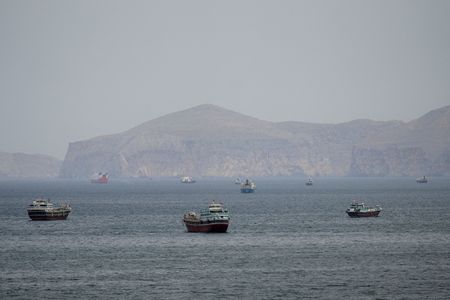
Iran has essentially stopped nearly all non-Iranian maritime traffic entering and leaving the Gulf since hostilities began, restricting approximately one-fifth of worldwide oil and liquefied natural gas shipments and pushing prices up by 50% or higher.
American crude exports reached a record 5.6 million barrels daily in May as the Middle East crisis increased demand for the nation’s petroleum from Asian and European refineries, ship tracking data revealed Monday.
A preliminary survey released Monday indicated U.S. crude reserves likely decreased by roughly 3.6 million barrels during the week ending May 29, continuing the previous week’s decline, while distillate and gasoline supplies also probably dropped.
Shipping industry leaders meeting in Athens Monday emphasized that any peace agreement between the U.S. and Iran must establish clear guidelines allowing vessels to resume standard operations through the Strait of Hormuz.