
KINSHASA, Congo — Opposition groups and civil society organizations in Congo are speaking out against a newly imposed government ban on public demonstrations and mass gatherings in the capital and other regions far from the country’s growing Ebola crisis, claiming the move is designed to silence political opposition.
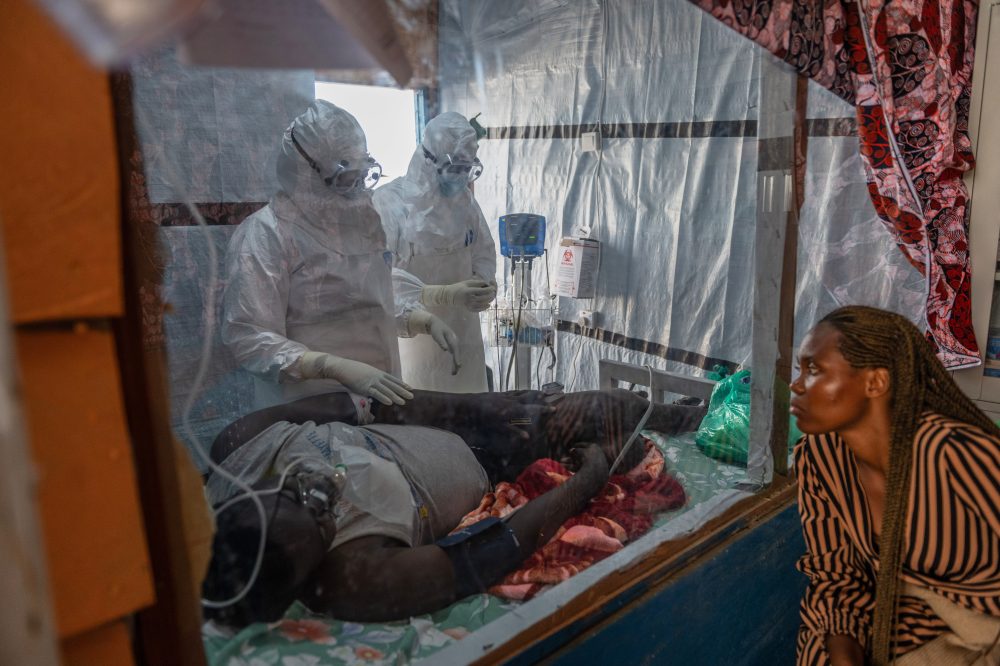
The ban was announced over the weekend as a deadly Ebola outbreak — caused by a strain with no approved treatment or vaccine — continues to worsen. So far, 1,307 people have been infected and 377 have died across three provinces in eastern Congo. Health officials fear this could become the deadliest Ebola outbreak in history.
On Saturday, Congo’s ministry of interior declared that gatherings and demonstrations were prohibited in the provinces of Kinshasa, Tshopo, Haut-Uele and Bas-Uele, citing concerns about the outbreak potentially spreading to new areas. None of those provinces currently have any confirmed Ebola cases.
In a separate development, the mayor of Goma — eastern Congo’s largest city, now under the control of the Rwanda-backed M23 rebel group — also issued a ban on public gatherings and demonstrations on Monday, including celebrations tied to sporting events. Congo is currently participating in its first World Cup in more than half a century.
Congo’s political opposition has called the ban unconstitutional. Prince Epenge, the spokesperson for the Lamuka coalition, stated that the ban appears aimed at stopping a planned demonstration in the capital, Kinshasa, scheduled for early next month. That protest was set to oppose proposed constitutional changes that would allow President Felix Tshisekedi to seek a third term in office.
Civil society organizations also issued a statement Monday condemning the ban, invoking the rights to free speech and freedom of assembly.
During a televised address Monday evening, Tshisekedi unveiled a $319 million plan to combat the Ebola outbreak. He urged citizens to follow health guidelines, report suspected cases, and reject misinformation — but made no direct mention of the gathering bans.
“Ebola is neither a rumor nor a source of shame,” Tshisekedi said. “It is a health emergency that demands responsibility, solidarity, and truth.”
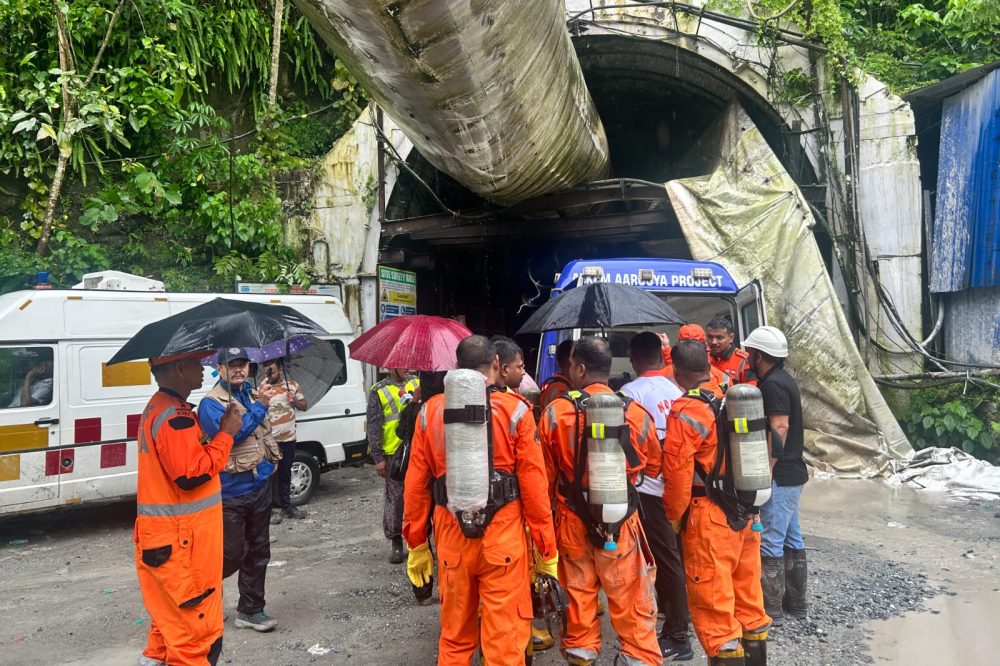
Health workers operating in the affected areas of Ituri, North Kivu and South Kivu provinces have encountered skepticism from some residents, and there have been reports of attacks on medical personnel.
The virus has also crossed Congo’s borders, with cases confirmed in neighboring Uganda and one case reported in France involving a doctor who had recently returned from Congo.
On Tuesday, the United Nations released a report warning that if Ebola spreads to additional neighboring countries — including Rwanda and Angola — the economic toll on Africa could reach $3.6 billion, with as many as 328,000 jobs lost.
More than a month since the outbreak began, officials acknowledge that the response has not kept pace with the virus. Authorities have yet to identify the original patient and continue to struggle with contact tracing.
The World Health Organization has also raised alarms that ongoing rebel violence in eastern Congo is hampering efforts to contain the outbreak. In Ituri province, attacks by the Allied Democratic Force — a group with ties to the Islamic State — have cut off access to numerous villages and driven residents from their homes, adding pressure to already overcrowded displacement camps.