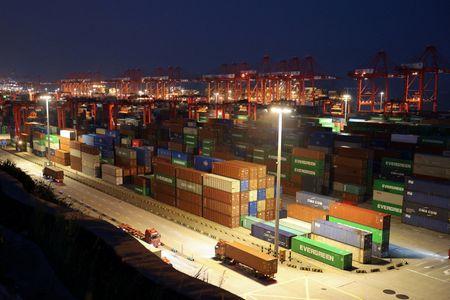

BEIJING — China posted stronger-than-expected trade numbers for June, with export growth hitting its highest level in four months as demand for semiconductors surged and U.S. retailers rushed to place orders before potential new tariffs take effect.
Exports rose 27% compared to the same month a year ago, measured in U.S. dollar terms, according to customs data released Tuesday. That figure easily outpaced the 19.4% gain recorded in April and exceeded the 18.2% growth that economists had predicted.
Imports also came in well above forecasts, jumping 36% — a five-year high — compared to a 27.4% increase the month before. Analysts had anticipated import growth of around 24% for June.
The robust trade performance indicates Chinese manufacturers have managed to keep overseas sales strong despite slowing economic growth in major economies and ongoing uncertainty surrounding trade relations with Washington. Analysts credit surging global investment in artificial intelligence technology, early ordering by U.S. buyers, and aggressive pricing strategies by Chinese exporters for the better-than-expected results.
Global AI investment is acting as a significant buffer for manufacturers operating within China’s $20 trillion economy, even as the ongoing conflict in the Middle East and a prolonged slump in the country’s property sector continue to drag on broader economic growth.
Separate data on manufacturing activity for June, published late last month, showed that overseas demand was beginning to pick up. However, factory-gate prices kept falling as companies slashed prices to attract customers facing higher energy costs tied to the Iran conflict.
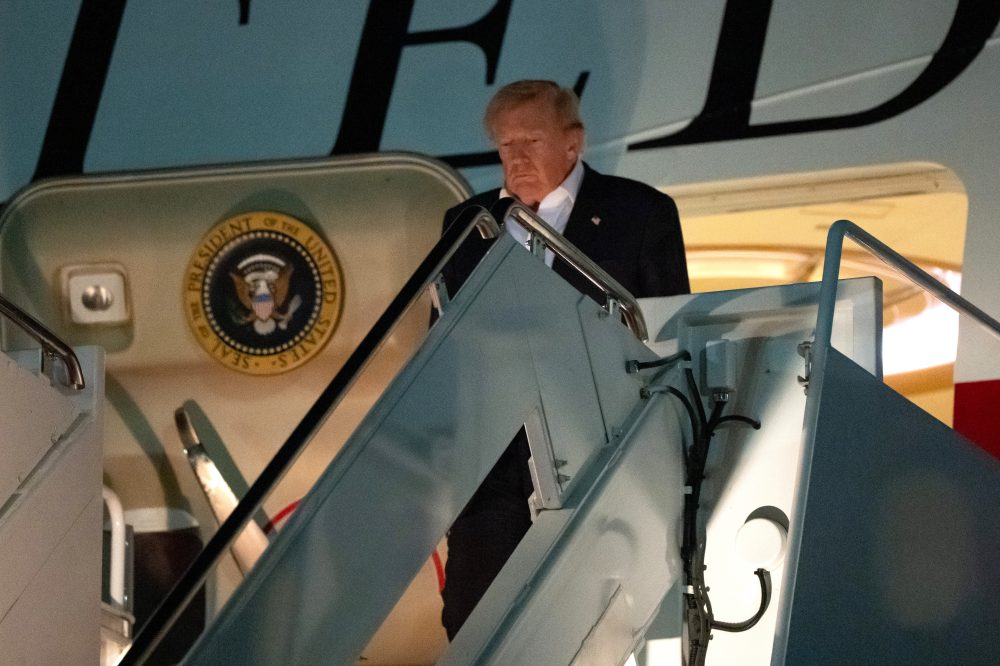
American retailers contributed to the export boost by moving their orders forward by four to six weeks, building up inventory for Black Friday and Christmas sales ahead of expected tariff increases later this year. Uncertainty remains elevated, however, following U.S. President Donald Trump’s May visit to Beijing, which fell short of the major breakthroughs many observers had anticipated.
Strong export performance helped China’s economy exceed growth expectations in the first quarter, but that momentum has since faded. Economists warn that weak consumer spending at home leaves China vulnerable if global conditions deteriorate, increasing the likelihood of additional government stimulus measures.
China is scheduled to release its second-quarter GDP figure on Wednesday.
China’s trade surplus for June reached $125.6 billion, up from $105.4 billion in May.