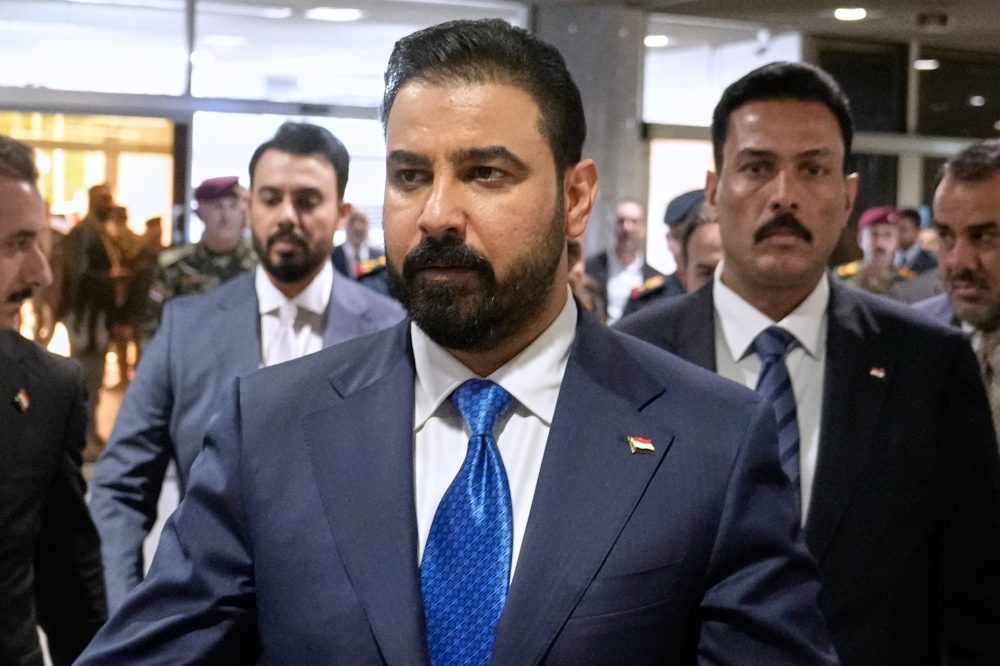

WASHINGTON (AP) — President Trump opened the doors of the White House on Tuesday to Iraq’s newly appointed leader, Prime Minister Ali al-Zaidi, a meeting that comes after Trump played a significant role in supporting al-Zaidi’s rise to power.
Al-Zaidi, a businessman who had never held political office before, emerged as a compromise choice for Iraq’s top government post following a prolonged stalemate after last year’s parliamentary elections. When al-Zaidi was officially named prime minister-designate in April, Trump took to social media to celebrate, calling it the “beginning of a tremendous new chapter between our Nations — Prosperity, Stability, and Success like never seen before.”
However, Trump’s involvement in shaping Iraq’s leadership began well before that announcement.
Iraq’s most powerful parliamentary coalition, the Coordination Framework — a grouping of Shiite political parties aligned with Iran — had initially thrown its support behind former Prime Minister Nouri al-Maliki. The Trump administration considered al-Maliki to be too closely tied to Tehran. Trump publicly voiced his opposition to al-Maliki and threatened to cut off American aid to Iraq if he were appointed, warning that “if we are there to help, Iraq has ZERO chance of Success, Prosperity, or Freedom.”
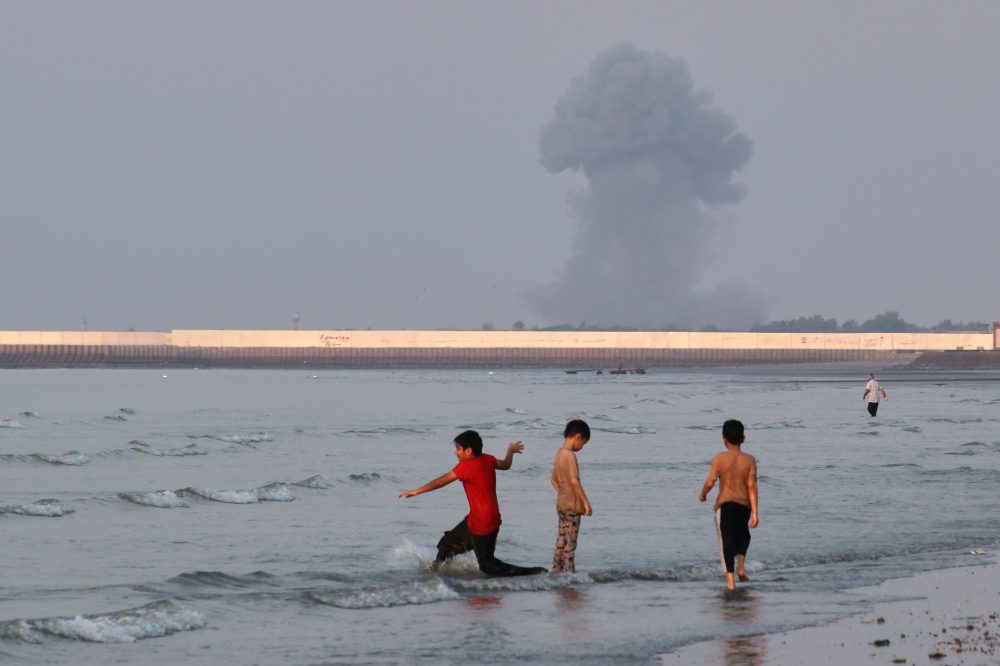
The shadow of Iran is expected to hang heavily over Tuesday’s discussions. Iraq has been facing mounting pressure to dismantle a network of militias backed by Iran that operate within its borders — some of which carried out attacks on American military bases and diplomatic facilities following the U.S. and Israel’s military campaign against Iran that began in February. The Iraqi government has officially set a deadline of the end of September for non-state armed groups to lay down their weapons, but some of the most powerful militia factions have publicly stated they have no plans to comply.
A Trump administration official, speaking anonymously ahead of the Oval Office meeting in order to discuss internal strategy, said the U.S. would make “informed” decisions based on how seriously Iraq pursues the disarmament of those Iran-backed groups.
Renad Mansour, who serves as director of the Iraq Initiative at the Chatham House think tank, offered his assessment of how the talks are likely to unfold. He said he expects that “the U.S. will put significant pressure on al-Zaidi” to move forward with disarmament during the Washington visit, adding that al-Zaidi is likely to respond by saying, “‘But I need support — intelligence support, technical support, armed support.’”
Mansour also raised concerns about the risks involved. “There is a scenario in which, if the Iraqi government starts going after these groups, they will also go after the government,” he said. “And this is a scenario that I think that the Iraqi government is apprehensive about.”
Al-Zaidi’s path to the premiership was not without complications. He previously served as chairman of Al-Janoob Islamic Bank, one of the financial institutions that Iraq’s central bank banned in 2024 from conducting transactions in U.S. dollars. That action came amid American pressure on Iraq to crack down on money laundering and the funneling of funds to Iran — yet Trump still extended his support to al-Zaidi.
Since taking the helm of Iraq’s government, al-Zaidi has made anti-corruption efforts a centerpiece of his administration. His government has launched raids and arrested dozens of current and former lawmakers and officials on corruption charges, including several individuals connected to former Prime Minister Mohammed Shia al-Sudani.
Al-Zaidi’s delegation traveling to Washington includes both Iraqi business leaders and government officials. His office released a statement saying the visit is intended to “strengthen economic and development partnerships, attract investment, and expand the role of U.S. companies in implementing infrastructure projects,” as well as to grow the energy sector in the oil-rich country.