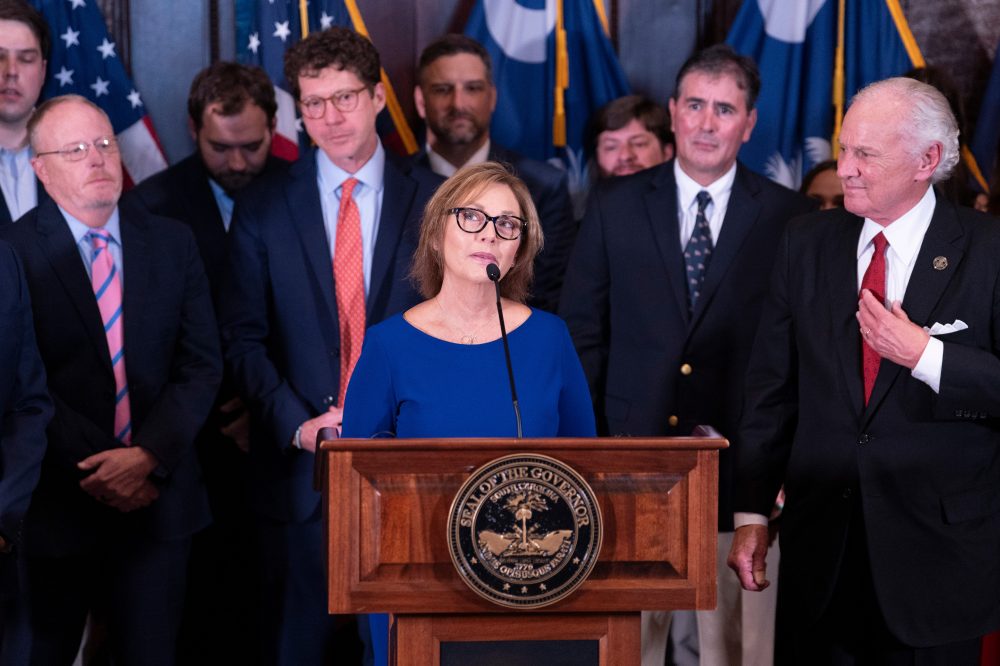

BAMENDA, Cameroon — Caro Bih endured kidnapping, chains, and ransom demands at the hands of separatist militants who have battled government forces across regions of Cameroon for years. Multiple family members have died, been imprisoned, or taken captive. Flames consumed her family’s home.
Today, she places her faith in Pope Leo XIV for bringing peace.
Bih joins millions of Cameroonians awaiting the pontiff’s Wednesday arrival during his four-country African journey. The visit occurs while the Central African country continues recovering from a contentious presidential race that claimed dozens of lives as 93-year-old Paul Biya, the globe’s eldest head of state, prolonged his lengthy presidency.
The papal mission, emphasizing peace, is anticipated to spotlight the insurgency within Cameroon’s two English-speaking provinces. Thousands have perished in what aid organizations describe as among the planet’s most overlooked wars.
Separatist forces announced Tuesday they would halt hostilities for three days to ensure secure passage for the pope, citizens, and officials.
Government representatives have positioned Leo’s journey as an opportunity for national reconciliation in the country, governed by French-speaking leadership and split across ethnic boundaries.
“We have been praying ceaselessly for the conflict to end, to no avail,” said Bih, a 52-year-old mother of six and a nurse by training. She spoke to The Associated Press from Bamenda, the epicenter of the violence. “We want the pope to intercede for us. I strongly believe his coming will help heal my wounds.”
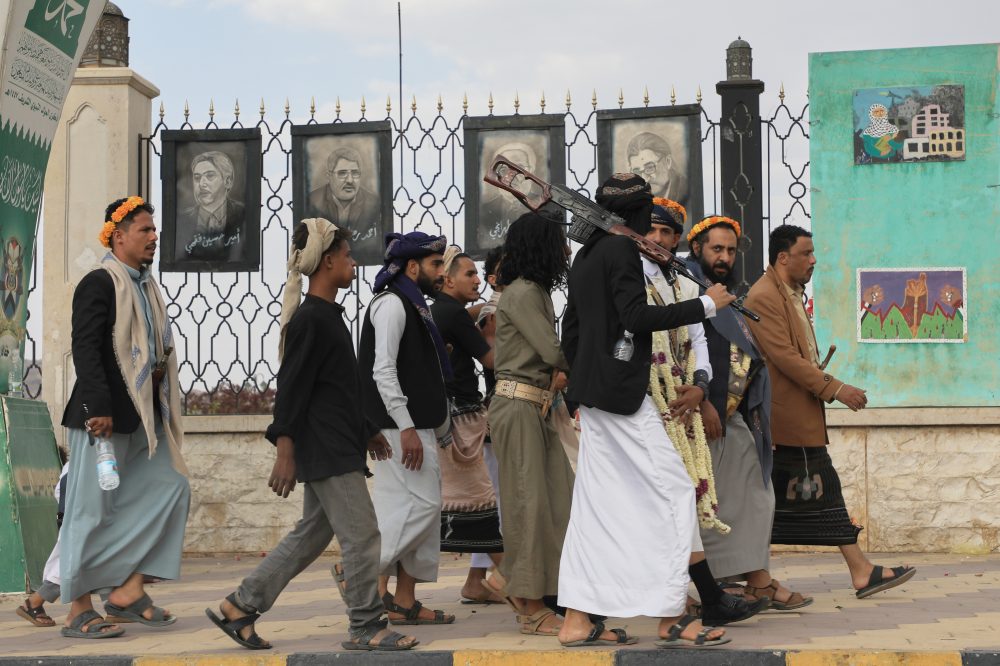
Western Cameroon has suffered ongoing warfare since English-speaking rebels initiated an uprising in 2017, aiming to separate from the French-speaking population and form their own nation.
The pontiff will oversee a reconciliation gathering Thursday in Bamenda with community representatives and conduct Mass at the regional airport.
Government opponents fear the papal appearance may appear as support for Biya’s leadership, which faces accusations of committing violations during the fighting and rejecting negotiations.
“I would caution the pope against allowing the regime to exploit his presence to mask the pain of profound historical injustices with empty appeals to peace and unity,” said Benjamin Akih, a U.S.-based Cameroonian activist and member of the Council for the Sovereignty of Cameroon, a civil society group.
Eric Chinje, who leads the Project Cameroon diaspora democracy group, suggested the pope might avoid criticizing leaders determined to maintain power indefinitely, referencing Biya’s extended tenure.
“The visit has more to do with the pope’s global evangelical mission than with the fate and future of Cameroon,” Chinje said.
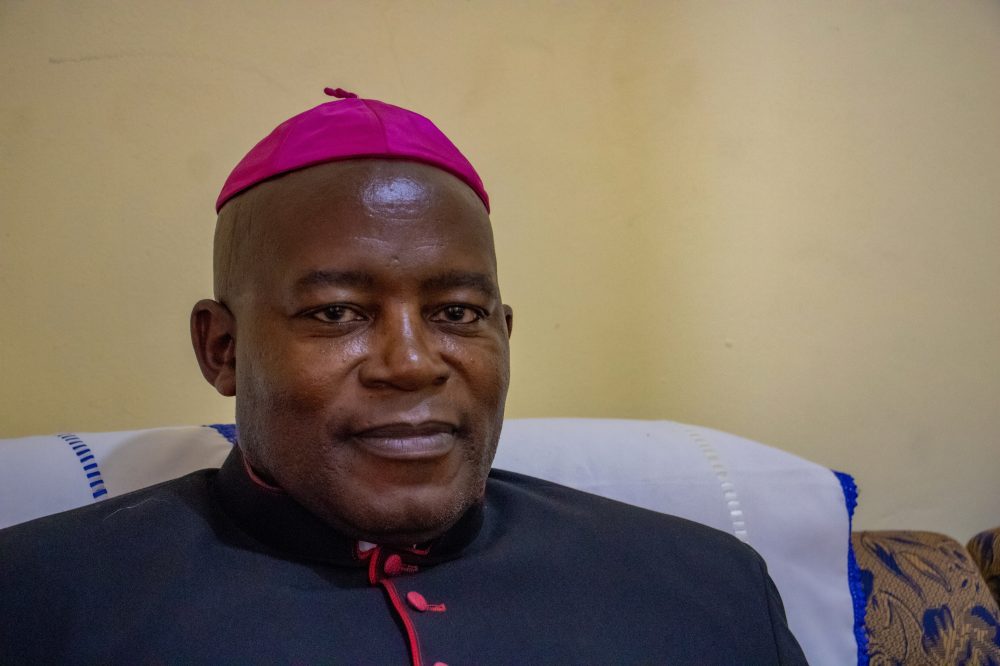
The Rev. John Berinyuy Tatah, a Catholic priest, was abducted by rebels in November along with five other clergy members and detained for two weeks in wilderness areas, “cut off from the world.”
He expressed confidence that the pope will plant hope that could restore Cameroon if properly cultivated.
“The cry of every Cameroonian is for the pope to help us to mediate for dialogue in the ongoing crisis,” said Tatah, who plans to attend a pope-led Mass.
The nation also confronts Boko Haram extremists conducting raids from neighboring Nigeria, frequently striking military installations and villages.
Over 3.3 million conflict-affected Cameroonians face food insecurity, with households missing meals, selling animals, or borrowing money for survival, according to the U.N.’s World Food Program.
“My hope is that the pope touches the soft spot of our collective wounds,” said Yeeika Desmond Nangsinyuy, a spoken-word artist who uses his art to speak out against violence.
Nangsinyuy revealed separatists captured him in 2024 and demanded he cease his performances. He refused to comply.
“I want him to speak directly to the pain of families torn apart by conflict, and to inspire renewed hope that peace is possible,” he said of Leo.
The rebel warfare has devastated local communities.
Bih reported only two of her children attend classes. One stays with friends to ease her caregiving burden. Others labor on farms, construction projects, or washing clothing to support the household.
Combined with earnings from vegetables she grows and markets, the family’s monthly earnings equal approximately $53, barely sufficient for food.
In 2024, Bih stopped physiotherapy and medication for a stroke she sustained while repeatedly fleeing violence. She now depends on traditional plant-based treatments.
“I had dreamt of seeing my children become doctors, magistrates and so on,” she said quietly. “Now their future is uncertain.”
The children’s father, 60-year-old Ngwa Manases, lives separately and also suffers from the conflict’s impact. He abandoned his position as a Catholic missionary educator due to dangerous conditions.
Their 9-year-old daughter, Lydiane, left school to help care for her siblings.
“I miss school,” the girl said. She had wanted to become an accountant.
Bih expressed hope the papal visit will transform their circumstances.
“We believe he will be a turning point,” she said.