
Brazil’s Ministry of Indigenous Peoples announced Friday that it has reached a formal agreement with Peru’s Ministry of Culture to boost joint efforts in protecting Indigenous lands along the two countries’ shared border, with a particular focus on isolated Indigenous communities in the region.
The memorandum of understanding, which has been in negotiations since 2024, is expected to be officially published in the coming weeks. According to the Brazilian government, the agreement will create a framework for sharing information and coordinating protective measures between the two nations.
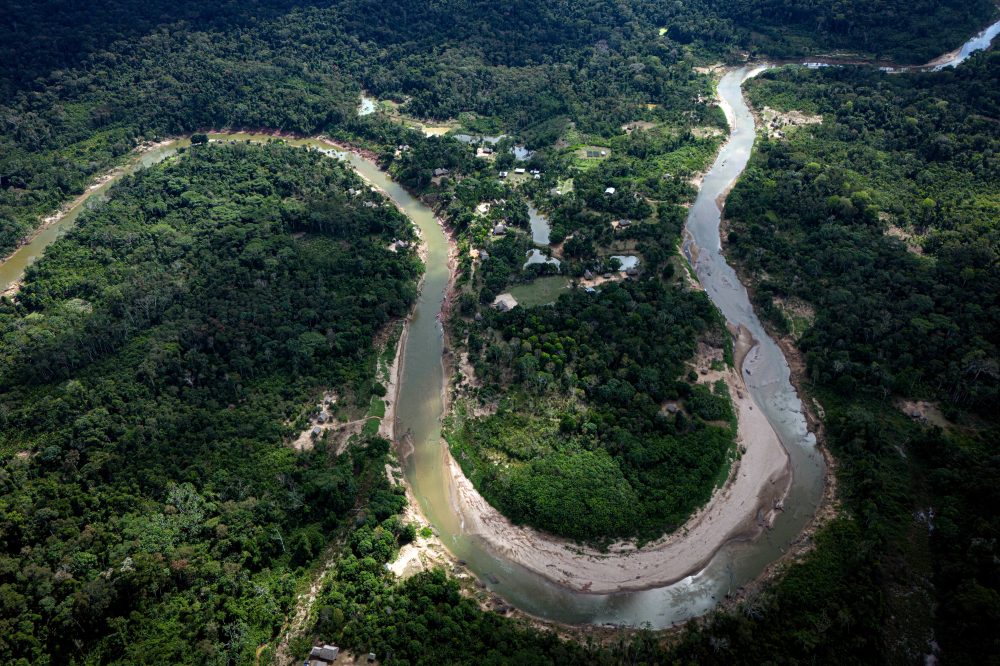
The announcement follows urgent meetings in Brasilia, Brazil’s capital, where Ashaninka Indigenous leaders gathered with federal officials to demand immediate protection for their territory. Earlier this month, five armed men armed with machine guns entered their land, threatening families and searching for the community’s top leaders. The Ashaninka territory straddles the Brazil-Peru border deep in the western Amazon.
Brazil’s ministry stated that defending Indigenous territories and the people who live within them demands a “coordinated response to shared threats, such as invasions, illegal activities and pressure on traditional lands.” Peru’s Ministry of Culture had not responded to requests for comment as of Friday.
Criminal organizations and drug traffickers have been increasingly moving into Ashaninka territory, using the Amazon’s rivers and surrounding land as drug trafficking corridors. Experts refer to this expanding criminal network as the Solimoes River route, and say the recent armed invasion is part of a larger shift taking place along the Amazon border region.
Indigenous lands play a central role in this trafficking route. Experts note that protecting these territories is among the most effective tools available for slowing deforestation in the Amazon — the world’s largest rainforest and a critical factor in regulating the global climate. However, the same dense, remote forests that these communities help preserve also make their lands attractive hiding grounds for drug traffickers.
Brazil’s federal police have opened a formal investigation into the attack on Ashaninka territory. On Monday, officers launched an operation in the area alongside state-level authorities. According to the ministry, the operation is designed to “prevent and combat incursions into Indigenous territories, criminal organizations, drug trafficking, environmental crimes and other cross-border offenses.”
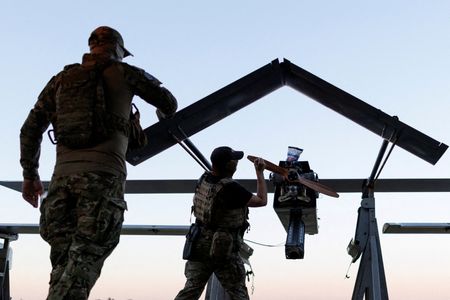
In a separate statement, the Brazilian Army confirmed it had bolstered its presence along the border by sending approximately 30 soldiers to the region. Indigenous groups have previously criticized such military deployments as short-term responses to what they describe as permanent and ongoing dangers.
The Army said patrols are continuing, and that early information from Indigenous leaders and government agencies indicates the armed intruders were Peruvian nationals who crossed into the Indigenous territory from across the border.