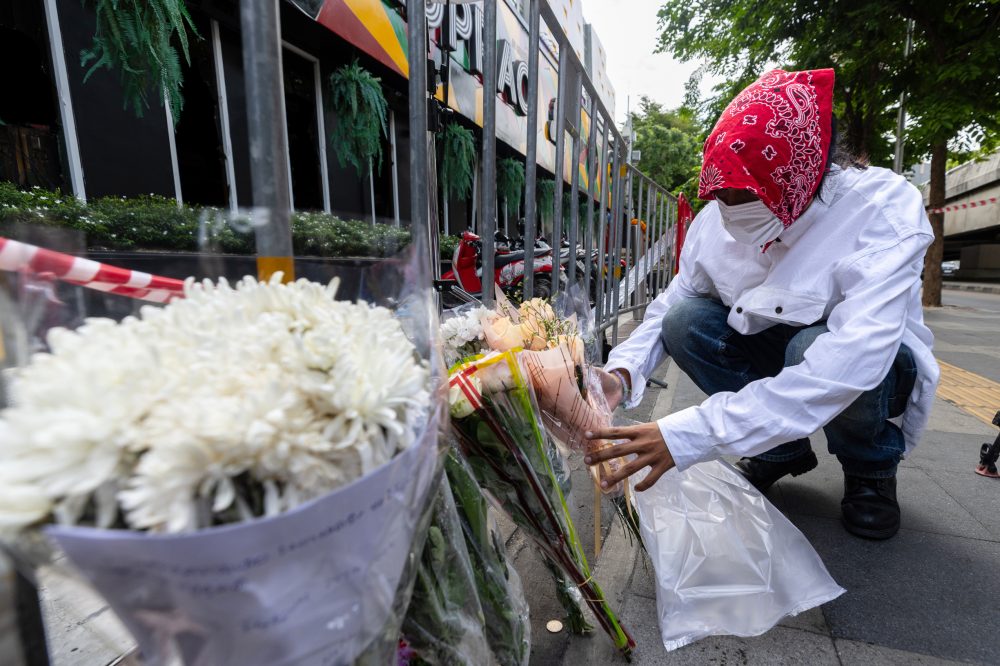

MELBOURNE, Australia (AP) — Australian officials are calling for stricter firearm regulations following a devastating shooting that claimed 15 lives during a Hanukkah gathering in Sydney last December.
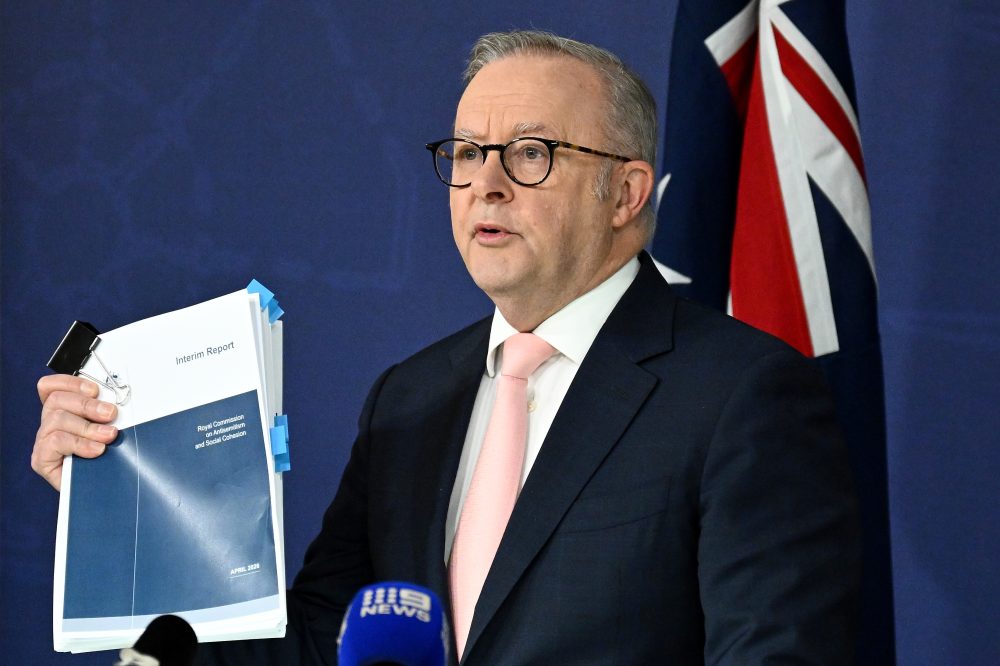
The Royal Commission on Antisemitism and Social Cohesion released its initial findings Thursday, issuing 14 recommendations after investigating the December 14, 2025 attack at Bondi Beach. Father and son duo Sajid and Naveed Akram allegedly carried out the shooting using weapons they legally possessed, according to authorities who say the Islamic State group motivated the assault.
Royal Commissioner Virginia Bell’s interim report included several public recommendations, though five remain classified for national security purposes. Among the key proposals: federal and state governments should fast-track the creation of uniform gun legislation nationwide and establish a weapons buyback program.
The commission noted that antisemitic incidents have surged throughout Australia since the Israel-Hamas conflict erupted on October 7, 2023. The report also warned that February’s joint U.S.-Israeli military action against Iran “likely to have increased the risk of attacks directed at the Australian Jewish community.”
Sajid Naveed died in a police shootout at the scene. Despite holding a valid shooting license and legally owning the weapons used in the attack, proposed federal restrictions would have prevented the Indian-born permanent resident from obtaining gun permits due to his non-citizen status.
His son survived the incident with injuries. Naveed Akram now faces charges including terrorism, 15 murder counts, and 40 attempted murder counts. He has not yet entered any pleas.
Federal proposals also include capping individual gun ownership at four weapons maximum and requiring regular license reviews. A compensation program would reimburse gun owners required to surrender firearms, with costs split between federal and regional governments, though some states have refused to participate financially.
Prime Minister Anthony Albanese announced his administration’s commitment to implementing all commission recommendations within federal jurisdiction.
“I certainly hope that that occurs and would continue to engage constructively with state and territory governments to say that this is reform which is necessary,” Albanese told reporters regarding the proposed gun changes.
The Prime Minister referenced Tuesday’s 30th anniversary of Australia’s most deadly modern mass shooting, when 35 people died in Tasmania on April 28, 1996. That tragedy led to sweeping national firearms legislation that essentially eliminated rapid-fire rifles.
“The nation is safer because of that,” Albanese said.
Despite identifying increased risks facing Australian Jewish communities, the report determined no immediate safety measures were urgently needed.
“There has been a rise in antisemitism. That is a global phenomenon,” Albanese said. “That is something that has happened right around the world. Governments need to respond to it. We are responding to it.”
The government has designated 102 million Australian dollars ($73 million) for enhanced security at Jewish facilities including synagogues and educational institutions. The Executive Council of Australian Jewry, the community’s primary representative organization, oversees the funding distribution.
Council co-chief executive Alex Ryvchin described the report as a crucial step toward restoring Jewish Australians’ sense of security.
“We need to get to a point where Jewish Australians at Hanukkah this year … feel safe, that we can gather again, that we won’t be targeted,” Ryvchin told Australian Broadcasting Corp.
“It’s going to be a long process to get us to that point. There’s a deep sense of trauma in the community and … a lot of unanswered questions, bit this is an important step in the process,” he added.
Public hearings for the inquiry will commence Monday.