
RICHMOND, Va. — Virginia, which hosts more data centers than anywhere else on the planet, has finally released a study that had been kept from the public for more than six months. The report examines groundwater supplies in the state’s eastern region and the potential strain placed on them by the water-intensive data center industry — and its findings are raising alarm.
The study, prepared by environmental scientists, concluded that groundwater availability in Virginia’s eastern coastal plain is under pressure and that declining levels in a key aquifer are expected in the near future due to population growth and industrial demand. It calls on state officials to strengthen regulations, give regulators greater power to deny water withdrawal permits, require industries to consider alternative water sources, and crack down on entities that may be drawing more water than permitted.
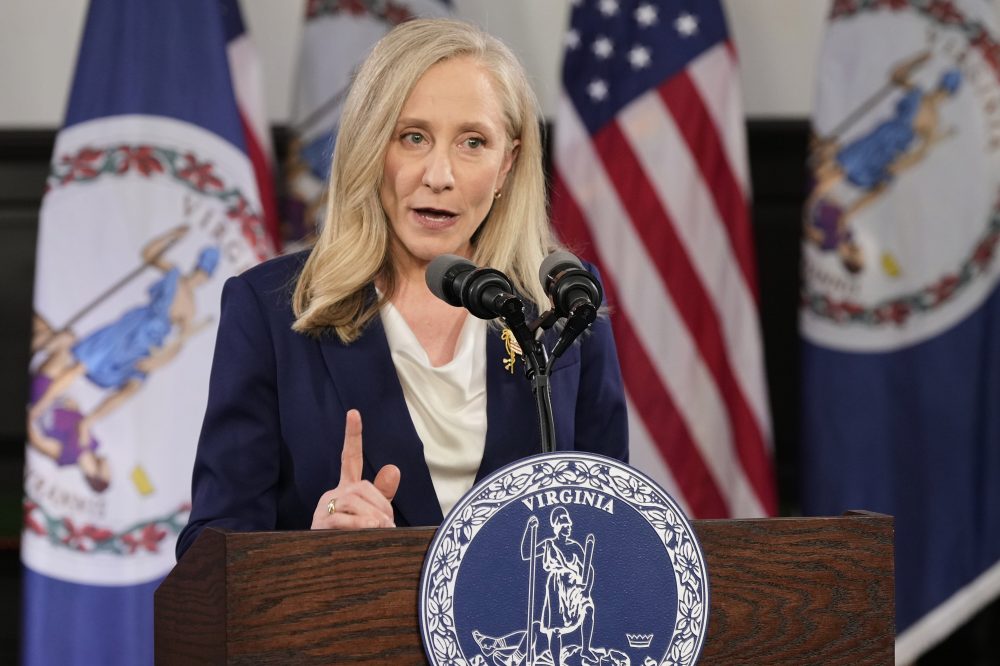
Democratic Gov. Abigail Spanberger’s office handed the report over to the Associated Press on Thursday. The governor’s spokesperson, Jack Bledsoe, said the delay in releasing it was tied to a backlog of unfinished business left over from the previous administration.
“This report represents the most comprehensive analysis of groundwater resources conducted in Virginia history. Governor Spanberger is committed to working with the General Assembly to carefully evaluate its findings, strengthen the Commonwealth’s groundwater management policies, and protect Virginia’s water supply for future generations,” Bledsoe said.
Data centers require significant amounts of water to keep their servers from overheating. Concerns about their effect on both groundwater and surface water supplies — and about a lack of transparency from tech companies — have become a flashpoint across the country and are taking on political weight ahead of the midterm elections.
Few places feel that tension more acutely than Virginia, which is home to hundreds of data centers with even more in various stages of development. According to Cleanview, a company that monitors data center and power infrastructure activity, 371 data centers are currently operating in the state while another 438 are planned.
Those who reviewed the report after its release described its conclusions as sobering. “We’re standing on the ledge,” said Jay Ford, the Virginia policy manager for the Chesapeake Bay Foundation.
The report traces Virginia’s groundwater regulation back to 1973, when the state passed its first law on the subject. Legislators later acknowledged that law was “too permissive” and revised it in 1992. The updated law is still on the books, but the report warns it needs to be strengthened once again.
State Sen. Richard Stuart, a conservative Republican representing Virginia’s coastal Northern Neck region, said he has been sounding the alarm on this issue for at least 15 years. He noted that local governments in his district are increasingly being told by regulators to shift to surface water sources because groundwater supplies are being stretched thin. He said the timing is troubling, as the water shortage is coinciding with a wave of new data centers coming online throughout his district. Wanting concrete answers, he sponsored legislation requiring the study to be conducted.
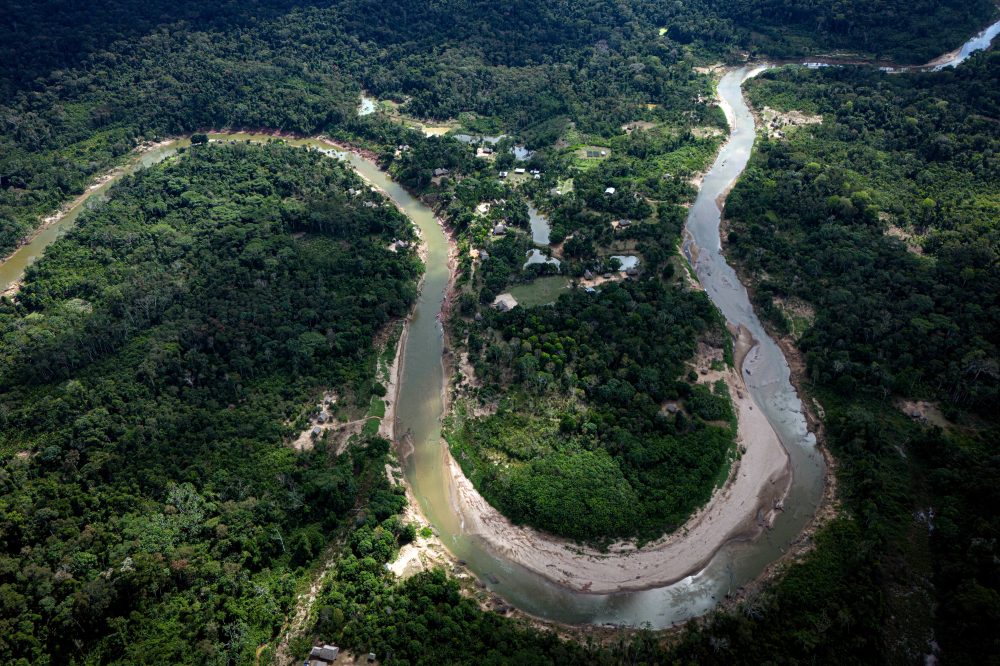
The report found that groundwater withdrawals in the region dropped significantly about 15 years ago after a paper mill shut down. That, combined with regulatory efforts, allowed water levels in the region’s largest aquifer to recover. More recently, however, that recovery has stalled, and projections show the aquifer is expected to begin declining again. The study concluded that there is likely not enough groundwater to sustainably support any major new industrial water user in the region.
Among the report’s recommendations: strengthen the permitting authority of regulators, require large water users to first explore surface water or water reuse options, improve local water use planning, and increase funding for water management staff and equipment. Lawmakers are also urged to clarify how regulators should balance industrial and commercial water needs against the public’s need for safe drinking water.
Stuart said Friday that while he was still working through the more than 100-page document, its summary findings were troubling — though he believes they will give lawmakers the information needed to make difficult decisions going forward.
“Folks worry about the lack of the ability for growth. A lot of them are talking about industrial and commercial. I’m worried about our citizens having drinking water, and I’m worried about our seafood industry because they need clean water,” he said.
The report noted that most existing and planned data center capacity sits within public water supply service areas that primarily draw from surface water. However, it also acknowledged that no comprehensive public data exists on how much groundwater data centers may be drawing. The authors ran a hypothetical analysis and found that under current conditions, it appears unlikely that a data center using evaporative cooling technology — or any comparable large water user — would be able to find a sufficient, reliable groundwater source anywhere in the eastern region.
The report also flagged that groundwater concerns tied to data center growth are being felt in other states, including Texas, Oklahoma, Nebraska, Georgia, and South Carolina.
The prolonged delay in releasing the report had drawn sharp criticism from a broad coalition of advocacy groups and an advisory committee that assists state regulators on eastern Virginia groundwater matters. Those groups began raising concerns in June and July about why the report — originally due in January — had not been made public. Stuart said he had been unable to obtain a copy himself.
The AP filed an open records request for the report, which the state’s Department of Environmental Quality declined to fulfill. After the AP sought comment for a story about that refusal, the governor’s office provided a copy late Thursday night.