
A Vietnamese national entered a guilty plea Friday in a Malaysian courtroom for illegally holding protected wildlife materials without proper permits, according to his legal representative.
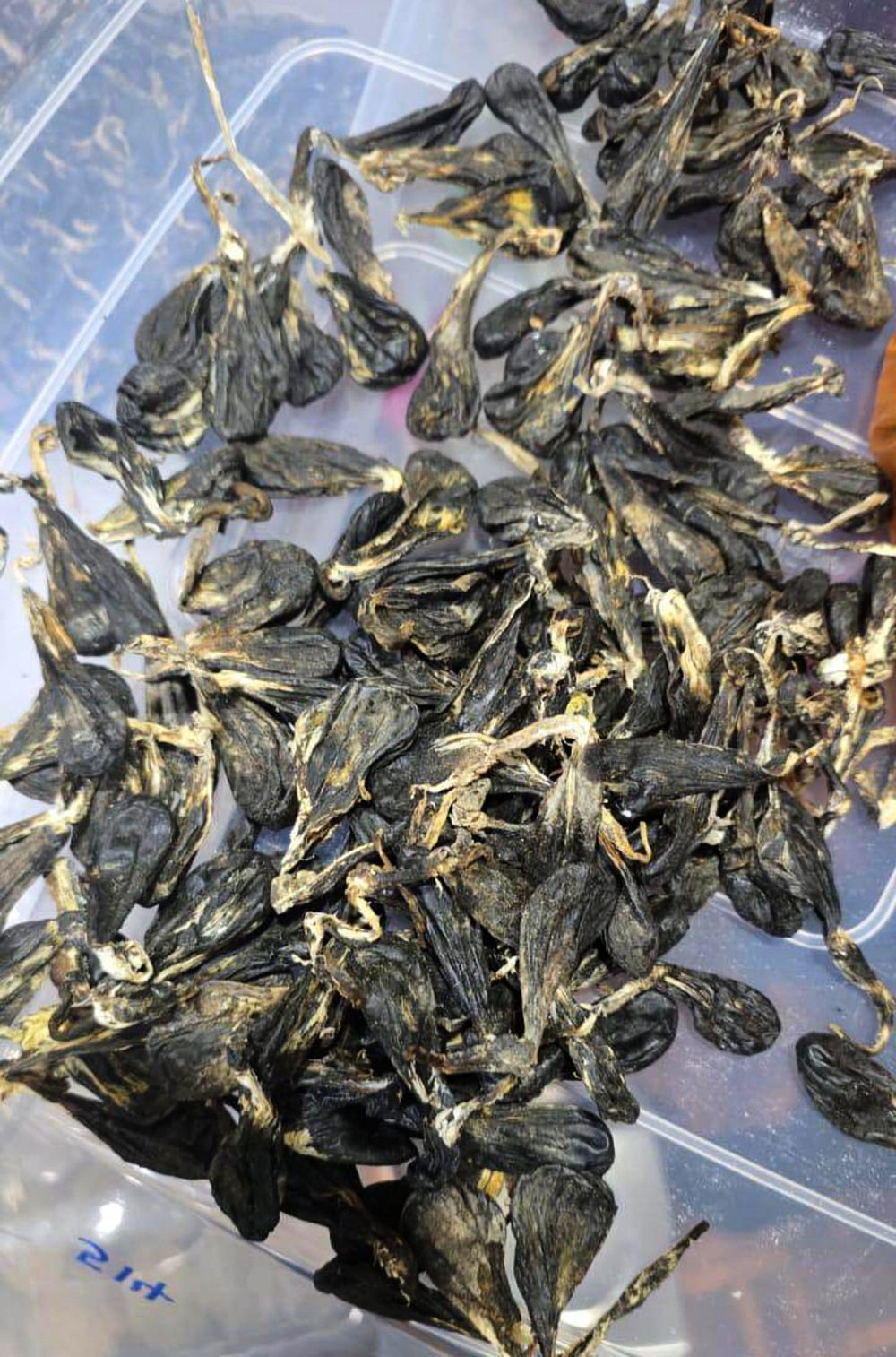
Hoang Van Thai, age 39, faced charges for unlawfully possessing 1,022 python gallbladders and 191 python tongues from the python reticulatus species, which receives legal protection, at a location in Malaysia’s southern Johor state.
These python parts were discovered among a massive collection of illegal wildlife products during an April 4 enforcement operation conducted by Malaysia’s Wildlife Department, which valued the entire seizure at approximately 37 million ringgit ($9.3 million). The confiscated materials included various python organs, bear bile, suspected tiger body parts, primate remains, and reproductive organs believed connected to global illegal wildlife trafficking operations.
Malaysia serves as a significant center for unlawful wildlife commerce, functioning as both an origin point and transfer location for smuggled species, fueled by consumer demand for exotic creatures and their body parts.
Authorities have not explained why Hoang received charges only related to the python materials. Some people believe python bile from gallbladders possesses healing qualities, while tongues are utilized in traditional ceremonies or consumed as aphrodisiacs.
Defense attorney Mohamad Fazaly Ali Mohamad Ghazaly stated he challenged the wildlife department’s price assessment in court due to insufficient supporting documentation. He explained that Hoang arrived in Malaysia last November and worked as a driver, while his two children attended school in the country.
Hoang awaits sentencing and could receive up to three years imprisonment, monetary penalties, or both punishments. The court plans to confirm his immigration standing on April 20 before deciding on bail. Government prosecutors opposed releasing him on bail, arguing the substantial quantity of confiscated items indicates organized criminal activity.
Vincent Chow, an adviser with the Johor Malaysia Nature Society, told The Star English-language newspaper that Hoang likely served as a storage operator for a broader criminal organization.
“The majority of the confiscated wildlife materials had undergone processing and some were already packaged, apparently awaiting shipment to either domestic or overseas markets,” he stated.