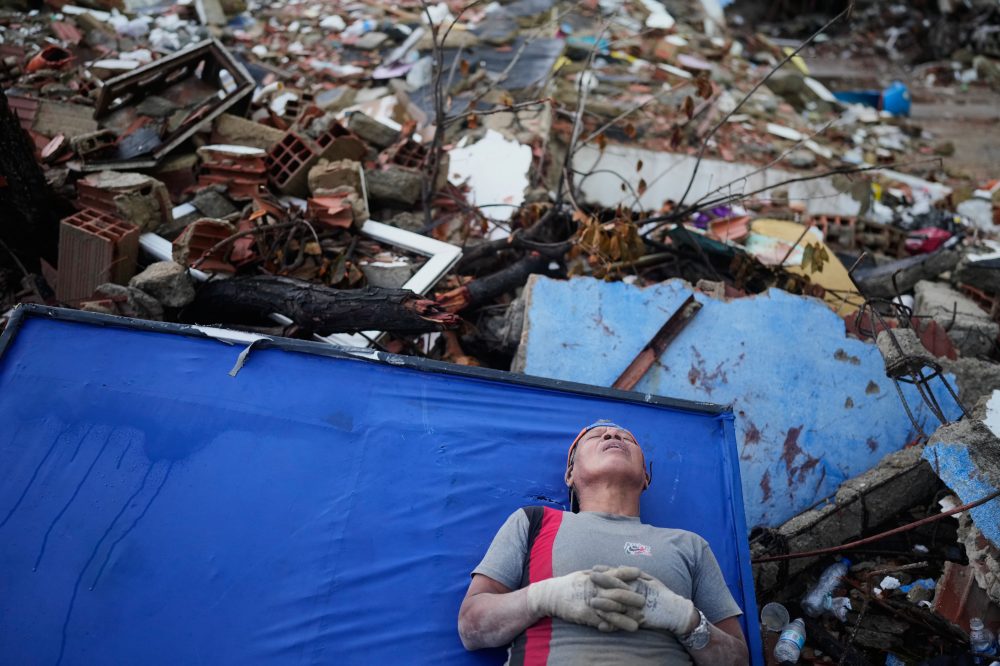

LA GUAIRA, Venezuela — Relief organizations sounded the alarm Tuesday that Venezuela’s already weakened healthcare system is being pushed beyond its breaking point, nearly one week after two major earthquakes struck the country. Damaged hospitals are flooded with injured patients, staff shortages are worsening, and conditions in the disaster zone are fueling the spread of infectious diseases.
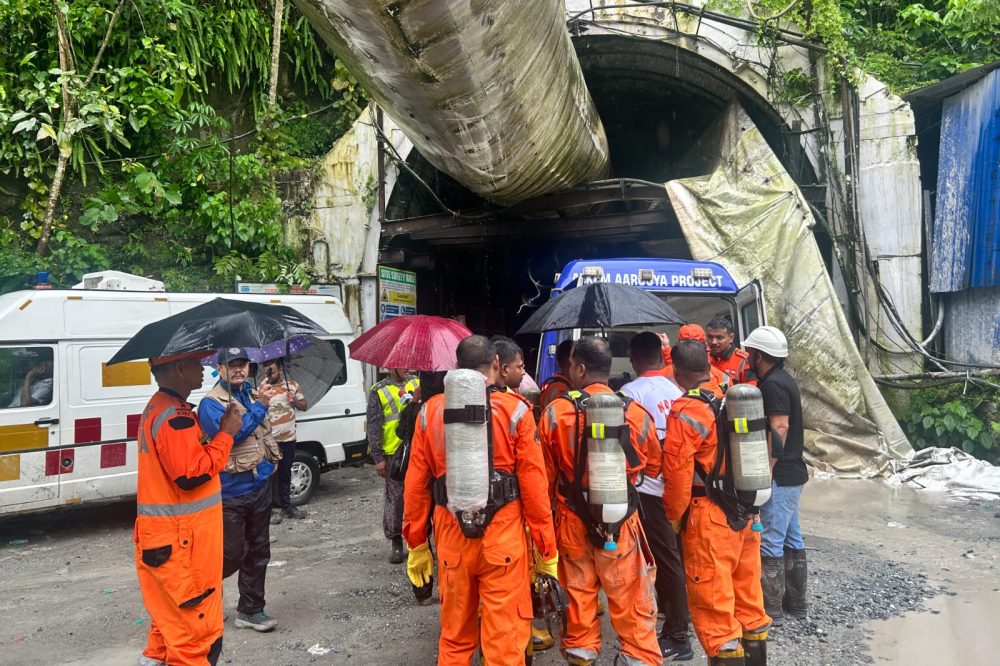
Dozens of international and local rescue teams continue working across the country in search of survivors, as the government’s confirmed death toll has climbed past 1,700, with bodies still being recovered from the wreckage.
Even as the search continues, a humanitarian emergency is rapidly developing among those who survived. United Nations agencies have raised serious concerns about the health risks facing thousands of people who have been displaced and are sleeping outdoors or in overcrowded, unsanitary shelters for days on end.
Venezuelan authorities report that more than 15,800 people have been affected by the earthquakes — a figure representing the official count of displaced individuals, according to U.N. refugee agency spokesperson Carlotta Wolf, who spoke Tuesday. Many newly homeless Venezuelans have been sleeping in cars, parks, and other makeshift locations due to a lack of adequate emergency shelter.
Wolf noted that the number of displaced people will likely keep climbing. She added that many of those hit hardest in the state of La Guaira are also facing serious food shortages.
At a Tuesday press briefing held in Geneva, World Health Organization spokesperson Christian Lindmeier warned that displaced Venezuelans are increasingly at risk of preventable diseases like measles, due to low vaccination rates in the population. Waterborne and mosquito-borne illnesses including dengue, yellow fever, and malaria are also flaring up in the aftermath of the disaster.
Venezuela’s healthcare system, already weakened by decades of underinvestment and years of economic hardship, is now “under extreme pressure, with facilities operating beyond the capacity of the surge of the trauma cases,” Lindmeier said.
Government figures show that last week’s earthquakes damaged or compromised 38 hospitals across the country. WHO has so far assessed 21 of those facilities and found that three are no longer functioning at all. Six others have sustained structural damage, and the remaining hospitals are struggling under the weight of a massive surge in trauma patients.
WHO also noted that many specialist physicians are unaccounted for in the disaster zone, including medical officials responsible for maternity care in La Guaira — adding further stress to an already strained system.
Lindmeier described the situation inside hospitals as deeply troubling, saying findings show “chaotic service delivery and patient flow, marked by overcrowding, growing surgical backlogs … and a breakdown in biosafety measures.” He added that the disorder has led to “the collapse of forensic and morgue services and inadequate casualty registration.”
As of Monday, the government reported 1,719 deaths and approximately 5,000 people injured. However, experts believe the true toll is likely far higher, as many people remain unaccounted for and the chances of finding survivors alive grow slimmer each day.
Officials have not released any formal count of missing persons. Earthquake damage to phone networks and other communication infrastructure has made it difficult even for informal efforts to track how many people remain buried under the rubble.
One non-governmental digital database listed more than 50,000 people as missing, though it remains unclear how many of those individuals may have since been located.