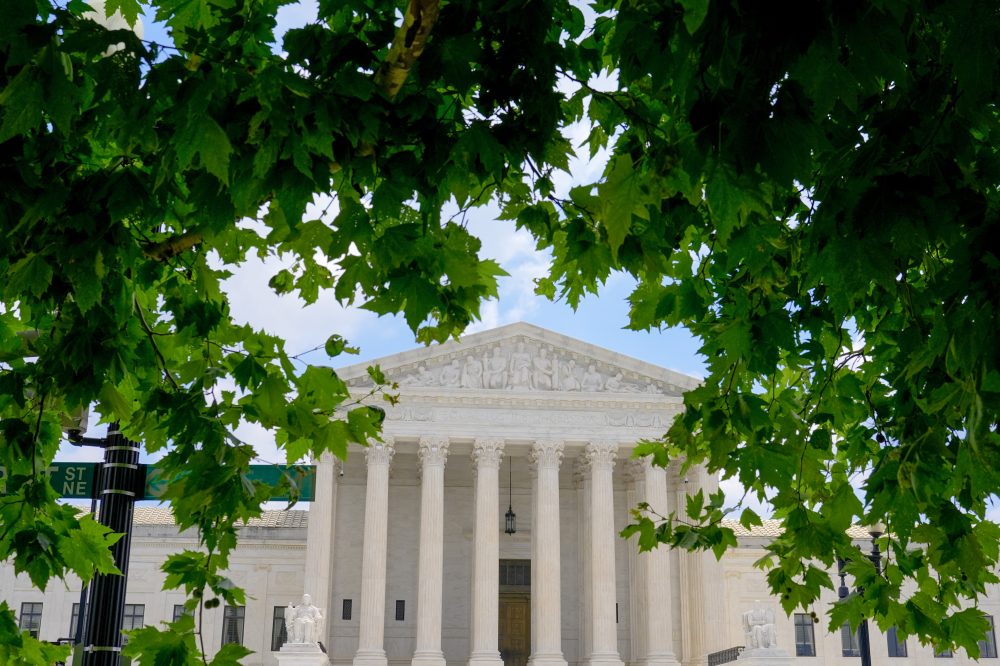

WASHINGTON — In a closely divided ruling, the U.S. Supreme Court on Tuesday preserved the long-standing principle of birthright citizenship, striking down President Donald Trump’s executive order that aimed to deny citizenship to children born in the United States to parents who are here illegally or on temporary visas.
The majority grounded its decision in the 14th Amendment — ratified following the Civil War — and more recent federal statutes, reaffirming that virtually anyone born on American soil is a citizen.
“Citizenship, then and now, was the right to have rights — to freely participate in our political community. The Framers of the Fourteenth Amendment extended that promise to ‘every free-born person in this land,’” Chief Justice John Roberts wrote on behalf of the court, drawing from congressional debate surrounding the amendment. “We keep that promise today.”
Three conservative justices disagreed and said the restrictions should have been permitted to take effect. Justice Clarence Thomas authored a 91-page dissent — more than three times the length of Roberts’ majority opinion — arguing the court was overstepping.
“The Court today takes the extraordinary step of holding facially unconstitutional the President’s Order excluding from citizenship the children of foreign temporary visitors and illegal aliens,” Thomas wrote. “In doing so, the Court adds to the sad history of the Fourteenth Amendment, which was designed and understood to secure equal rights for the freed blacks but has instead been repurposed for political projects that the Reconstruction Congress did not support.”
Trump’s order had already been blocked by multiple lower courts and had never gone into effect anywhere in the country. The Supreme Court’s ruling came as an appeal of a lower court decision out of New Hampshire that had struck down the citizenship restrictions.
During oral arguments held in April, justices from both ends of the ideological spectrum raised doubts about the order’s legality. The case drew additional attention when Trump made an unprecedented personal appearance in the courtroom during arguments.
The birthright citizenship order was the first immigration-related policy from the Trump administration to receive a final ruling from the high court. Earlier, the justices had also struck down sweeping global tariffs Trump had imposed using an emergency powers law that had never previously been applied in that manner. Trump reacted with sharp anger to that February tariffs decision, publicly saying he was ashamed of the justices who ruled against him and labeling them unpatriotic.
Ahead of Tuesday’s ruling, Trump appeared to anticipate an unfavorable outcome, taking to his Truth Social platform to criticize what he called “dumb judges and justices” and pointing to wealthy pregnant women from China and other countries who travel to the U.S. specifically to give birth so their newborns will obtain American citizenship.
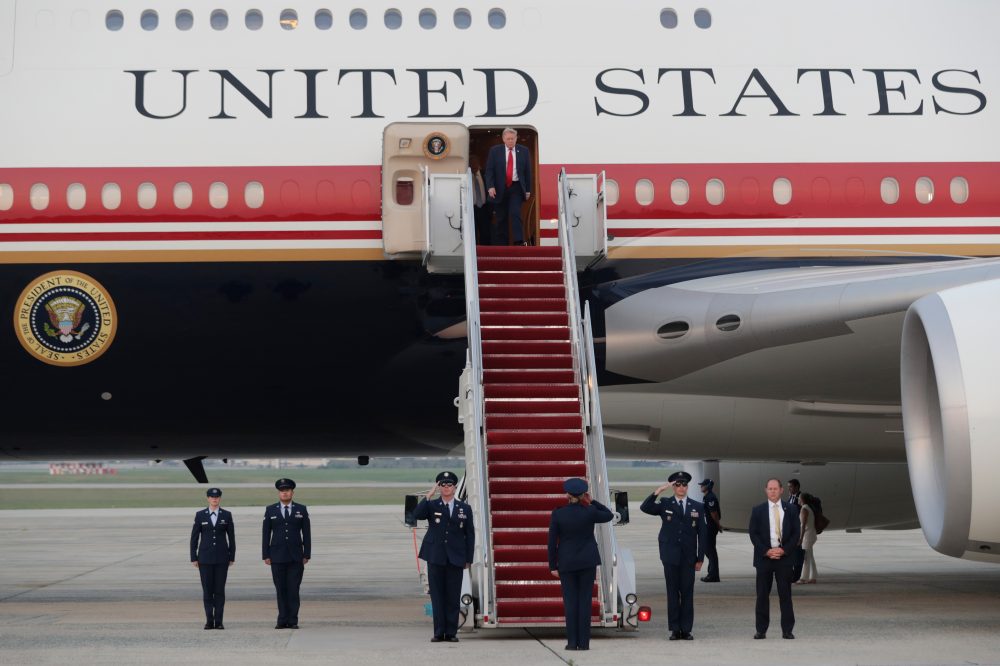
Trump signed the birthright citizenship order on the first day of his second term as part of a sweeping immigration enforcement agenda. His administration contended that children born to noncitizens are not “subject to the jurisdiction” of the United States and therefore fall outside the citizenship guarantee of the 14th Amendment.
The 14th Amendment’s Citizenship Clause states: “All persons born or naturalized in the United States, and subject to the jurisdiction thereof, are citizens of the United States and of the State wherein they reside.” The amendment was originally crafted to guarantee citizenship to Black Americans, including formerly enslaved people, though its language extends more broadly.
Lower courts that struck down the executive order repeatedly pointed to the Supreme Court’s 1898 decision in Wong Kim Ark, which established that a child born in the U.S. to Chinese nationals was entitled to citizenship.
Researchers at the Migration Policy Institute and Pennsylvania State University’s Population Research Institute estimated that more than 250,000 babies born in the U.S. each year would have been affected had Trump’s order taken effect. Notably, the restrictions would have applied not only to children of undocumented immigrants but also to those born to people legally present in the country, such as international students and those in the process of applying for permanent residency.