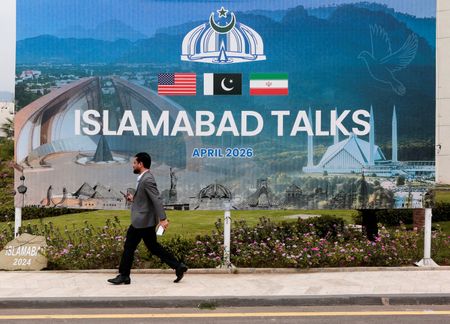

Diplomatic negotiations between American and Iranian officials have temporarily wrapped up in Pakistan’s capital, according to statements from Tehran early Sunday morning, following extensive discussions aimed at resolving the ongoing six-week conflict between the two nations.
The Islamabad meetings marked the most significant direct diplomatic contact between Washington and Tehran since the 1979 Islamic Revolution, representing the highest-level discussions in more than ten years. The results of these talks could shape the future of the current two-week ceasefire and determine whether the Strait of Hormuz will reopen to international shipping.
Iran has maintained a blockade of the strategic waterway since hostilities began, disrupting approximately 20% of the world’s energy transportation and causing oil prices to spike globally. The conflict has resulted in thousands of casualties.
Iranian officials announced on social media platform X that following 14 hours of intensive discussions, the negotiations had paused and technical teams from both countries would now review documentation.
“Negotiations will continue despite some remaining differences,” the Iranian government’s post stated, though no timeline was provided for resuming talks.
An Iranian state television correspondent indicated the discussions would resume on Sunday.
The American delegation included Vice President JD Vance, special envoy Steve Witkoff, and Jared Kushner, who is President Trump’s son-in-law. They met with Iranian Parliamentary Speaker Mohammad Baqer Qalibaf and Foreign Minister Abbas Araqchi for two hours before taking a break, according to Pakistani mediator sources.
The Trump administration has not yet issued any public statements regarding the conclusion of negotiations or the nature of outstanding disagreements.
Iranian representatives arrived Friday wearing black clothing to honor the late Supreme Leader Ayatollah Ali Khamenei and other war casualties. They brought shoes and personal belongings of students who died during a US bombing of a school adjacent to a military facility, Iranian officials reported. While the Pentagon states the incident remains under investigation, Reuters has reported that military investigators believe American forces were likely responsible for the strike.
“There were mood swings from the two sides and the temperature went up and down during the meeting,” a Pakistani source described regarding the initial round of discussions.
Security was extremely tight in Islamabad, a city housing over 2 million residents, with thousands of paramilitary forces and military personnel deployed throughout the streets during the talks.
Pakistan’s role as mediator represents a significant diplomatic shift for a country that faced international isolation just one year ago.
As negotiations commenced, US military officials announced they were “setting the conditions” to begin clearing the Strait of Hormuz of obstacles.
The waterway remains central to ceasefire discussions. American military sources reported that two warships had successfully navigated the strait and preparations were underway to remove mines, while Iranian state media disputed claims that any US vessels had passed through the area.
Prior to the talks, a senior Iranian source told Reuters that Washington had agreed to unfreeze assets held in Qatar and other international banks. However, a US official denied any such agreement had been reached.
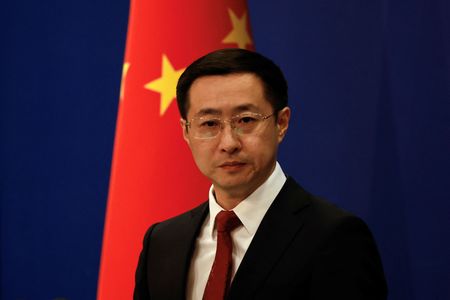
Beyond asset releases, Tehran is seeking control over the Strait of Hormuz, war reparations, and a comprehensive regional ceasefire including Lebanon, according to Iranian state television and government officials.
Iran also wants to impose transit fees for ships using the Strait of Hormuz.
President Trump’s objectives have evolved, but he minimally seeks unrestricted global shipping access through the strait and the dismantling of Iran’s nuclear enrichment capabilities to prevent atomic weapon development.
Israel, which participated in the February 28 attacks that initiated the conflict, continues bombing Iranian-supported Hezbollah forces in Lebanon and maintains that the Lebanese situation falls outside the scope of US-Iran ceasefire negotiations.
Deep mistrust continues to characterize relations between both sides.