
United Nations officials announced Thursday that more than one million Sudanese refugees could lose critical humanitarian assistance including food and water supplies due to a massive funding shortage exceeding $400 million.
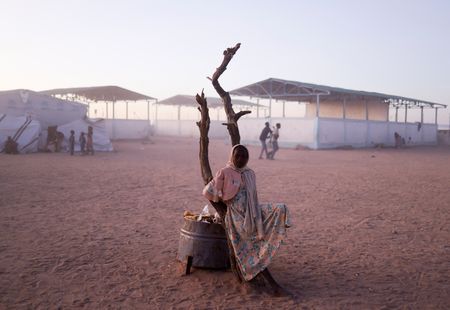
Chad currently hosts approximately 1.3 million Sudanese refugees, with the majority having fled their homeland following the outbreak of fighting between Sudan’s military forces and the paramilitary Rapid Support Forces in April 2023. Many of these displaced individuals escaped mass violence and severe food shortages in the Darfur region.
According to a joint announcement from the World Food Programme and the UN refugee agency, both organizations lack sufficient resources to assist all refugees and anticipate additional service reductions in upcoming months without securing the necessary $428 million in funding.
“With less than half the resources we require, we cannot deliver sufficient food to the people who need it most,” stated Sarah Gordon-Gibson, WFP Chad Country Director. “This will force them into devastating coping strategies and put lives at risk.”
While the UN statement did not identify specific donors reducing contributions, the refugee agency has previously indicated that decreased American foreign aid represents a significant factor in current funding gaps. However, both Sudan and Chad remain among 17 nations scheduled to receive $2 billion in US assistance by 2026.
Additional Western donor countries have similarly reduced foreign aid allocations as they redirect resources toward defense spending.
Current conditions reveal the severity of the crisis, with UNHCR able to provide assistance to only 40% of Chad’s refugee population, leaving many without adequate housing while educational facilities struggle with more than 100 students per instructor. In Chad’s northeastern Ennedi Est province, refugees receive less than half the recommended daily water minimum.
The Norwegian Refugee Council highlighted extreme hunger conditions in Chad, referencing survey data indicating that 70% of refugee families reduced their meal frequency during the previous month.