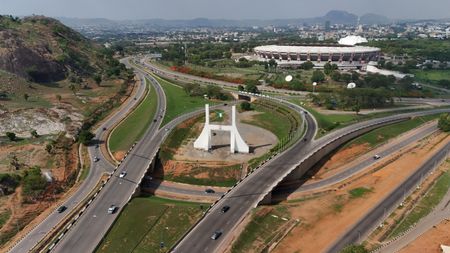

The State Department has broadened its travel advisory for Nigeria and granted permission for non-essential U.S. embassy workers and their family members to depart from Abuja, the nation’s capital, as security conditions continue to deteriorate throughout the West African country.
Travel warnings issued by the United States frequently influence how investors, international organizations, and airline companies evaluate risks in various countries. The decision to permit embassy staff departures reflects escalating worries in Washington as kidnappings, criminal activity, and assaults on law enforcement continue, especially in Nigeria’s northern regions.
In a Wednesday evening update to its travel guidance, the State Department maintained Nigeria’s Level 3 status, which advises Americans to reconsider travel plans. However, officials added five more states to the ‘Do Not Travel’ designation: Plateau, Jigawa, Kwara, Niger, and Taraba. This expansion means 23 of Nigeria’s 36 states now carry the highest travel warning level.
American officials emphasized dangers from Islamic extremist groups operating in northeastern regions, criminal organizations in the northwest, and continued violence affecting parts of southern and southeastern Nigeria, including areas where oil production occurs.
Washington issued a warning last month about a potential terrorist threat targeting American facilities and associated educational institutions within Nigeria.
The United States conducts reviews of its travel advisories multiple times annually and has maintained Nigeria at either Level 3 or Level 4 status for most of the previous ten years due to ongoing security challenges.
American military forces currently operate several MQ-9 unmanned aircraft in Nigeria along with approximately 200 personnel who provide training and intelligence assistance to Nigerian forces combating Islamic militant groups across northern territories.