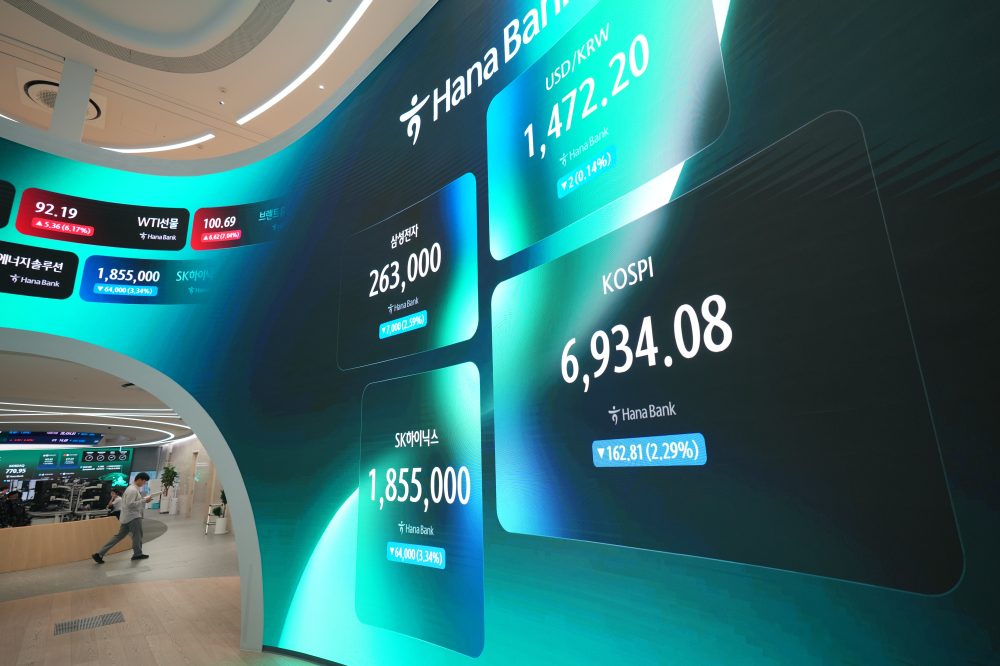

BANGKOK (AP) — Stock markets across Asia took a significant hit Friday after Brent crude oil surged to its highest price since May, with intensifying conflict in the Middle East raising fresh fears about disruptions to the global supply of oil and natural gas.
U.S. futures showed little movement following steep declines for two of Wall Street’s most powerful companies — Alphabet and Tesla — which pulled American stocks down to their biggest one-day loss in over a month.
Three major concerns are hanging over financial markets: the worsening situation in the Middle East, growing fears that investments in artificial intelligence may be forming a dangerous bubble, and a fresh round of tariff increases announced by U.S. President Donald Trump.
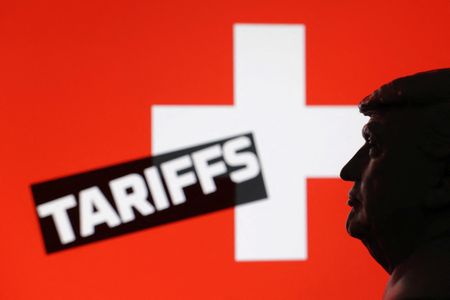
The Trump administration announced Thursday that it is imposing import taxes ranging from 10% to 12.5% on goods from 60 trading partners, which together account for 99% of all U.S. imports. The administration says those countries failed to fully enforce bans on products made with forced labor.
That announcement came just as temporary tariffs the president had previously put in place were set to expire Friday, following a significant legal setback at the Supreme Court.
These mounting uncertainties have helped drive the U.S. dollar to a 40-year high against the Japanese yen. On Friday morning, one dollar was worth 163.83 yen — a level not seen since 1986. The euro held relatively steady at $1.1378.
South Korea’s Kospi index dropped 5.9%, settling at 6,681.98. Samsung Electronics lost 8% of its value, while computer chipmaker SK Hynix fell 7.4%.
Tokyo’s Nikkei 225 slid 3.1% to 64,377.28, with technology companies leading the decline. SoftBank Group, which holds enormous investments in artificial intelligence, fell 7.5%.
Hong Kong’s Hang Seng index dropped 1.3% to 24,891.84, and the Shanghai Composite shed 1.2%, finishing at 3,830.19. In Australia, the S&P/ASX 200 fell 1% to 8,755.10.
On Thursday, Brent crude climbed as high as $102 per barrel before settling at $100.69 — a gain of 7% for the day. By early Friday in Asia, it had eased slightly to $100.40 per barrel. For context, before the Iran war broke out in late February, Brent was trading around $72 per barrel. U.S. benchmark crude dipped 0.5% to $91.71 per barrel.
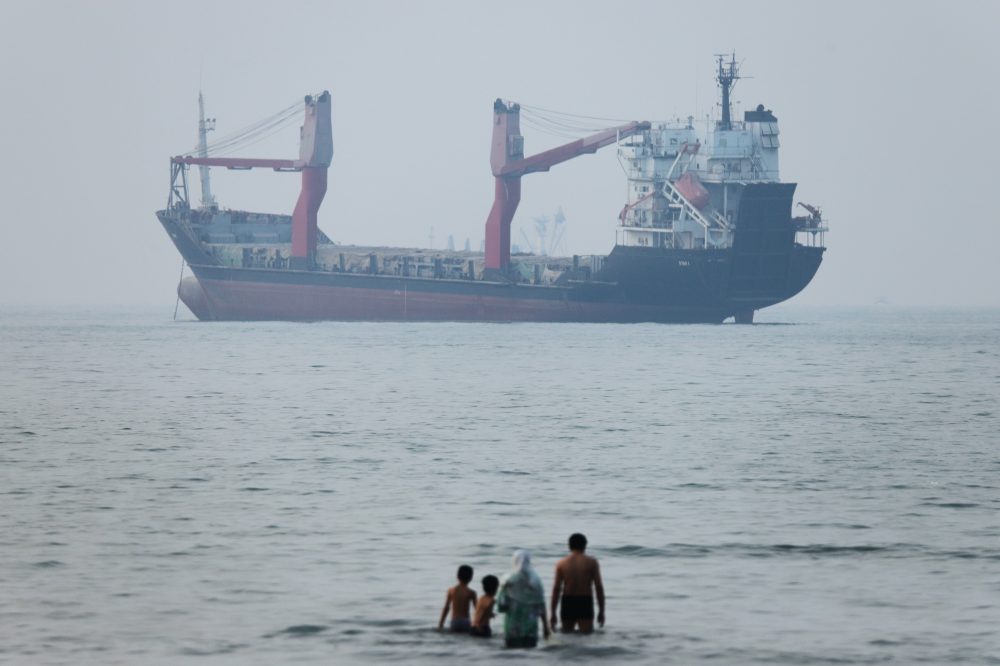
The latest price spike was triggered by attacks on two Saudi oil tankers in the Red Sea, threatening yet another critical shipping route used to transport crude from the Middle East to buyers around the world, alongside the already-stressed Strait of Hormuz.
Highlighting how vital that sea lane is to the global economy, President Trump threatened what he called “major military punishment” against Yemen’s Houthi rebels — who receive backing from Iran — if the attacks on shipping continue.
On Wall Street, rising oil prices weighed heavily on stocks by driving up costs for businesses and squeezing consumers’ spending power. The S&P 500 fell 1.2% and is now on pace for back-to-back weekly losses for the first time since March. The Dow Jones Industrial Average dropped 506 points, or 1%, while the Nasdaq composite sank 2.2%.
Higher oil prices also raise the risk of increased inflation, which could push the Federal Reserve and other central banks to raise interest rates — a move that tends to slow economic growth and drag down stock and investment values. The European Central Bank chose to hold its key interest rates steady at its meeting Thursday.
At the pump, gasoline prices typically rise alongside oil costs. The national average for a gallon of regular gasoline stood at $4.09, according to AAA. While that remains below the roughly $4.56 peak seen in May, it has climbed from $3.93 just a month ago.
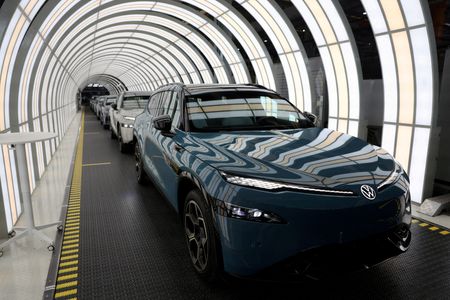
Tesla’s stock plunged 14.5% after the electric vehicle company reported quarterly profits that came in below what analysts had forecast. Because Tesla ranks among the largest companies in the S&P 500 by market value, its stock movements carry outsized influence on the overall index.
Alphabet, one of the few companies even larger than Tesla in the index, also fell — dropping 7.1% despite reporting stronger-than-expected profits and revenue. Investors instead zeroed in on the company’s plans to dramatically increase spending on artificial intelligence after it raised its capital expenditure forecast.