
The U.S. Treasury Department announced Thursday that none of America’s major trading partners manipulated their currency to gain an unfair trade advantage during 2025, though 10 countries are still being closely watched for their foreign exchange behavior.
In its most recent semi-annual currency report, the Treasury stated that its review — conducted under the Omnibus Trade and Competitiveness Act of 1988 — found no major trading partner had manipulated its exchange rate. A separate analysis also found that no country met all three criteria required to trigger an enhanced review of currency practices in 2025.
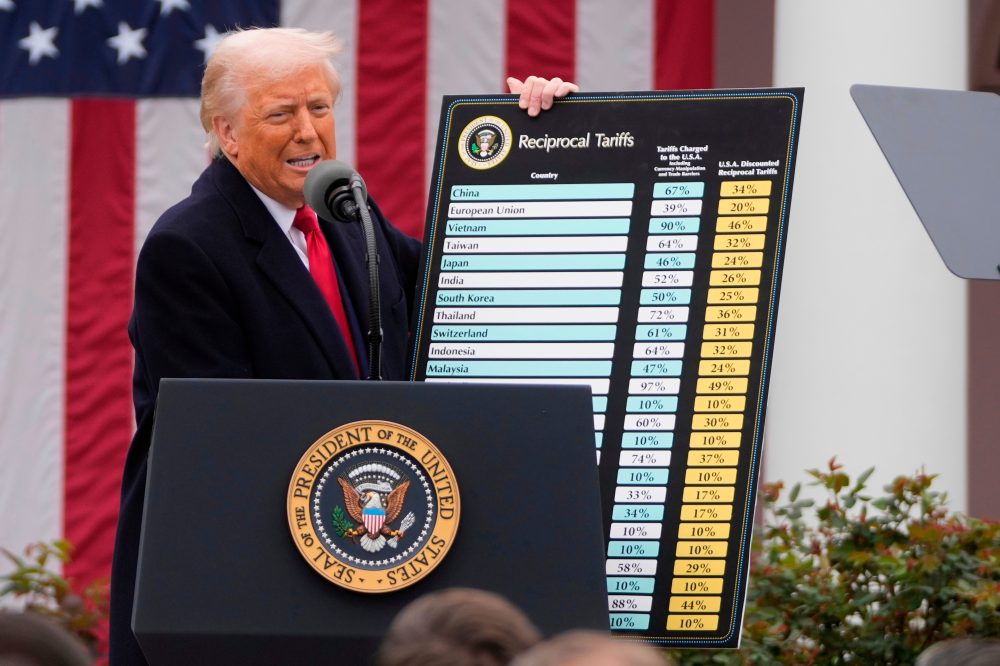
Despite those findings, a group of 10 nations remains under heightened scrutiny. “However, 10 economies are on Treasury’s ‘monitoring list’ of major trading partners whose currency practices and macroeconomic policies merit close attention: China, Japan, Korea, Taiwan, Thailand, Singapore, Vietnam, Germany, Ireland, and Switzerland,” the Treasury stated. “All were on the monitoring list in the January 2026 report.”
A country lands on the monitoring list by meeting at least two of three conditions outlined in the Trade Facilitation and Trade Enforcement Act of 2015. Those conditions are: running a significant trade surplus with the United States, maintaining a large current account surplus, and repeatedly intervening in currency markets in a one-sided way.
In the latest report, Thailand, Singapore, and Switzerland each satisfied only one of those three conditions. Treasury noted those three nations could be removed from the list if they fail to meet at least two criteria in the next reporting cycle.
Before January’s report, the semi-annual review had traditionally concentrated on whether countries were artificially holding down their currency’s value against the dollar — a tactic that can make a country’s exports cheaper and more competitive in the U.S. market.
Beginning this year, however, the Treasury said it is expanding its scope. As it stated in January, the department “is now monitoring more broadly the extent to which economies that choose to smooth exchange rate movements do so to resist depreciation pressure in the same manner as they do to resist appreciation pressure.”