
Two individuals descended from Black people who were once enslaved by a Native American tribe have taken their fight to federal court, asking a judge in Oklahoma to compel tribal leaders to follow through on a court order to recognize them as citizens.
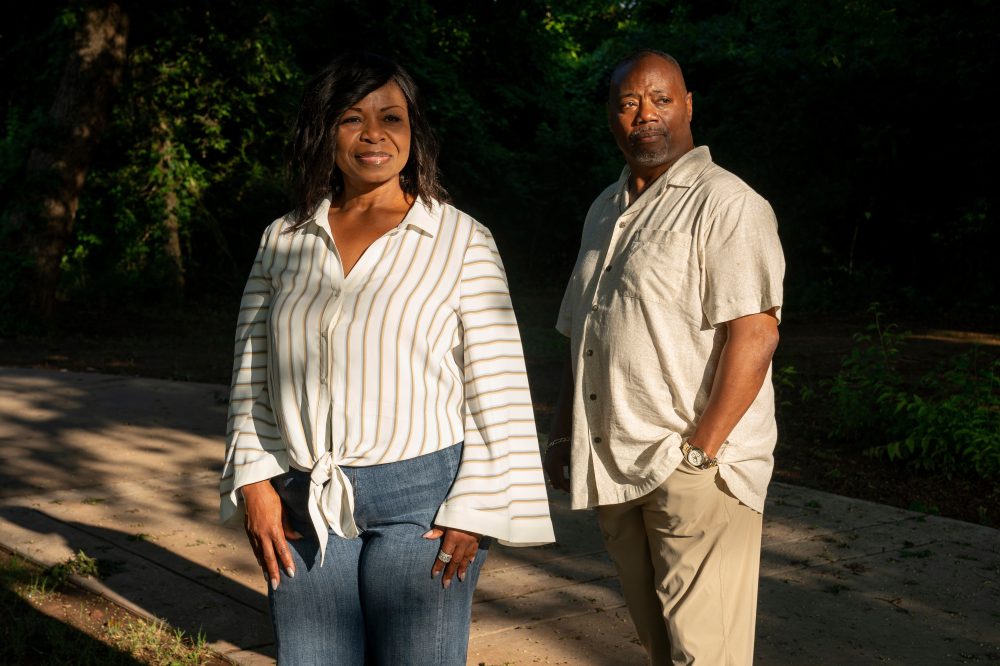
The lawsuit, filed Thursday in U.S. District Court in Oklahoma City, was brought on behalf of Rhonda Grayson and Jeffrey Kennedy. It names Principal Chief David Hill and the Muscogee Nation Citizenship Board as defendants.
According to the lawsuit, Hill and the citizenship board are violating an 1866 treaty between the Muscogee Nation and the U.S. government by refusing to honor a ruling issued by the Muscogee Nation Supreme Court in July 2025. That ruling declared that Black Creek Freedmen are entitled to tribal citizenship.
Grayson and Kennedy had originally applied for citizenship but were rejected in 2019 because they could not identify a direct blood descendant of the tribe. The tribal supreme court overturned that denial, but Hill and the citizenship board have still not issued the cards — leaving Grayson and Kennedy without the right to vote or fully participate in tribal affairs, the lawsuit states.
Last August, Hill placed a hold on the citizenship board’s ability to issue any such cards, saying tribal leaders needed time to address potential changes to the tribe’s constitution. The Muscogee Nation is headquartered in Okmulgee, roughly 100 miles northeast of Oklahoma City.
The Associated Press attempted to reach Hill and the Muscogee Nation Citizenship Board for comment on Thursday but did not receive a response. The Muscogee Nation is one of five Oklahoma tribes that once practiced slavery.
The 1866 treaty required the tribe to abolish slavery and extend citizenship to formerly enslaved people. However, in 1979, the Muscogee Nation adopted a constitution limiting membership to those whose ancestors were listed as “Muscogee (Creek) Indians by blood” on the Dawes Rolls — a census of tribal members compiled around 1900. That census recorded people on two separate lists: one for Muscogee members and another for those identified by the U.S. government as Freedmen.
The 2025 court ruling also directed the citizenship board to apply the 1866 treaty to future applicants who can trace their lineage to either roll. Legal experts say the decision could open the door to tribal citizenship for thousands of people who are not Muscogee by blood.
Attorney Damario Solomon-Simmons, himself a Black Creek Indian and one of the lawyers representing Grayson and Kennedy, said there are approximately 100,000 Black Creeks living throughout the United States.
Similar legal battles have already been fought and won against two of the five Oklahoma tribes — the Seminole Nation and the Cherokee Nation — both of which have since granted citizenship to Freedmen descendants.
Grayson, who serves as president of the Muscogee Creek Indian Freedmen Band, spoke plainly about what the continued delay means. “Every day of non-compliance is another day that Black Creek Freedman are denied our birthright and our very identity as citizens,” she said.
She addressed reporters Thursday with a broader message: “The fight is bigger than every one of us. It belongs to every Black Creek Freedman descendant who has carried this history, protected these stories and refused to let our identity be dismissed or diminished.”