
The U.S. dollar experienced weakness on Tuesday as investors expressed growing optimism about potential diplomatic efforts to resolve the three-month Iran conflict and reopen the strategically important Strait of Hormuz, despite continued American military strikes against Iranian positions affecting market confidence.
Although the likelihood of an immediate agreement remains low, peace prospects have driven oil prices under $100 per barrel, reduced strain on emerging market currencies, and enhanced appetite for riskier investments.
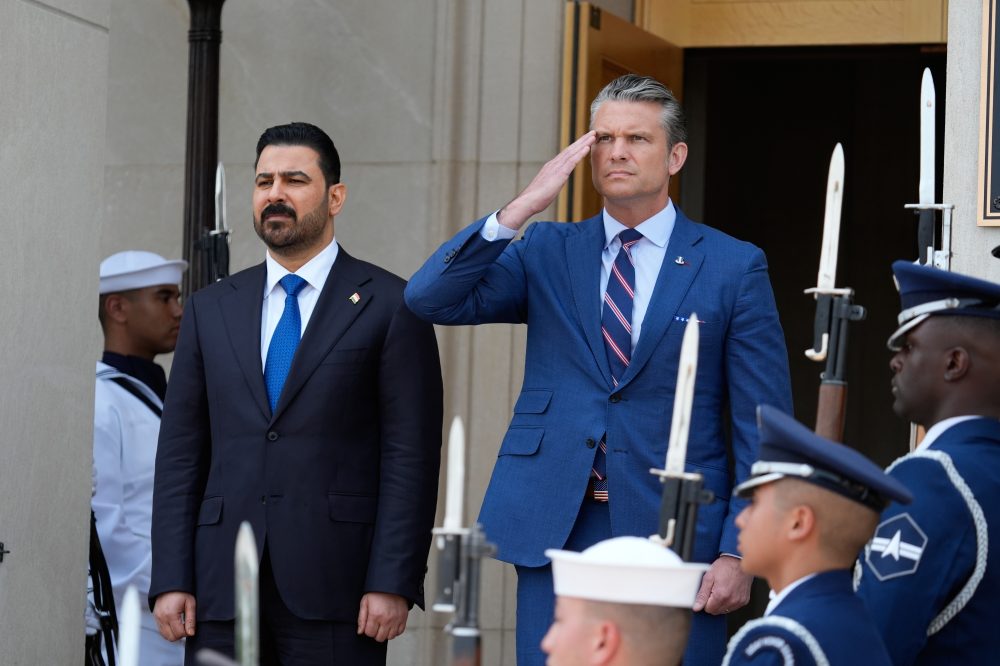
Top Iranian diplomatic officials and the foreign minister traveled to Doha for discussions with the prime minister of Qatar regarding a possible agreement. The U.S. president characterized negotiations with Iran as proceeding “nicely,” while cautioning about additional military action should talks collapse.
U.S. Central Command released a statement confirming it conducted additional strikes intended “to protect our troops from threats posed by Iranian forces.”
Currency markets showed the euro maintaining strength at $1.16365 on Tuesday, with the Japanese yen trading at 158.95 against the dollar. American financial markets remained closed Monday for a holiday observance. The dollar index against multiple currencies stood at 99.031.
“Markets are right to price some optimism because even a path toward reopening Hormuz lowers the extreme tail risk around oil, inflation and global growth,” said Charu Chanana, chief investment strategist at Saxo in Singapore.
“I would not confuse positive negotiation noise with a durable de-escalation yet, the real test is not the headline deal, but whether tankers can move freely, insurance premiums can fall, and energy flows can normalize,” Chanana added.
“Until then, this is likely to remain a stop-start risk-on trade.”
The Australian currency, frequently considered a risk indicator, remained stable at $0.71665, staying close to a one-week peak following Monday’s 0.65% increase.
New Zealand’s currency traded at $0.58575, declining 0.25% before Wednesday’s monetary policy announcement from the nation’s central bank, where a survey of economists shows 28 of 29 expect rates to remain unchanged.
“With so much of the good news around a peace deal now likely priced into risk markets, there’s certainly room for a ‘buy the rumour, sell the fact’ type reaction,” said Tony Sycamore, market analyst at IG.
Energy prices recovered some early Tuesday losses following reports of new American strikes against Iranian facilities. Brent crude futures climbed 1.5% to $97.76 per barrel after Monday’s 7% decline.
Market experts don’t anticipate energy costs returning to pre-conflict levels soon, even with near-term diplomatic progress, as supply networks will require time to stabilize, maintaining inflation and interest rate pressures.
“We still expect a slow oil unwind, even if prices fall sustainably below $100 per barrel in the second half of 2026. This suggests the USD’s terms of trade support should not fade quickly,” said OCBC strategists in a note.
“There is no strong case to be bearish USD,” they said, citing resilient U.S. growth and AI-driven inflation pressures that have nudged Federal Reserve rhetoric in a more hawkish direction.