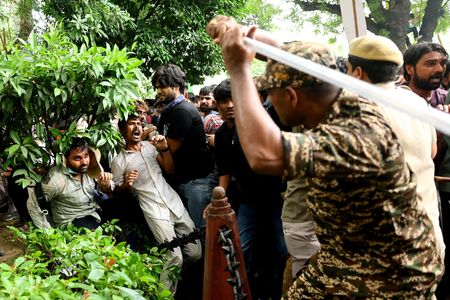

Turkish President Recep Tayyip Erdogan has stepped forward to help negotiate a fresh ceasefire between Pakistan and Afghanistan as violent border confrontations reached their sixth consecutive day Wednesday.
The hostilities began last week when Afghanistan launched strikes Thursday in response to Pakistani air attacks from the prior weekend. Pakistan has since conducted military operations along the frontier and announced it was engaged in “open war” with Afghanistan, causing concern among international observers.
The current violence has destroyed a previous ceasefire that Qatar and Turkey had successfully negotiated in October, when the two nations had previously approached the brink of war. That agreement, reached in Qatar, led to six days of discussions in Istanbul, producing a deal to maintain the ceasefire and schedule additional negotiations for November.
The November 6-7 talks failed to achieve any progress and diplomatic efforts came to a standstill.
A statement from Turkey’s presidential office revealed that Erdogan spoke by phone with Pakistani Prime Minister Shehbaz Sharif, where he “condemned the terrorist attacks in Pakistan” and pledged Turkey would work to “contribute to the reestablishment of the ceasefire between Pakistan and Afghanistan.”
While Sharif’s office didn’t explicitly acknowledge Erdogan’s mediation proposal, it confirmed the leaders addressed tensions along the 2,611-kilometer (1,622-mile) Afghan-Pakistan frontier. The statement indicated both leaders “exchanged views on recent developments” and would maintain closer “contact in our shared pursuit of peace and stability in the region.”
Afghanistan’s Taliban government hasn’t immediately responded to Erdogan’s proposal, though Kabul might view the Turkish president’s statements as biased or openly favoring Islamabad.
Nevertheless, Turkish Foreign Minister Hakan Fidan contacted Afghan Foreign Minister Amir Khan Muttaqi last week regarding the cross-border crisis, according to Afghanistan’s Foreign Affairs Ministry, though no additional information was provided.
Since the latest combat erupted, both nations have reported causing significant casualties to opposing forces in battles primarily concentrated in Pakistan’s border areas within the northwestern Khyber Pakhtunkhwa province and southwestern Balochistan province.
Death toll accounts have been dramatically inconsistent. The frontier region — where extremist organizations including al-Qaida and ISIS maintain operations — remains inaccessible to journalists, preventing independent verification of casualty claims.
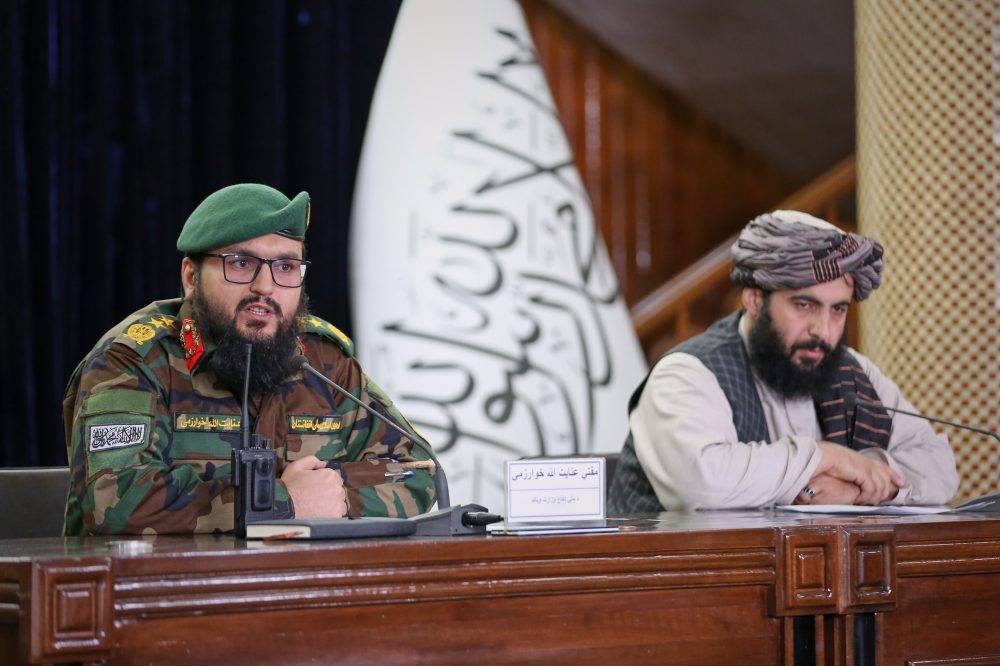
Afghanistan’s Defense Ministry announced Wednesday that its troops had killed or injured dozens more enemy personnel as cross-border combat persisted. Tuesday’s ministry statement claimed Afghan forces eliminated 150 Pakistani soldiers during the previous five days, while acknowledging 28 Afghan military deaths in the same timeframe.
Pakistan’s Information Minister Attaullah Tarar stated Wednesday that 481 Afghan troops had died over the past six days. These contradictory figures cannot be verified.
Pakistan has indicated its military actions will persist until Afghanistan takes confirmed measures to control the Pakistani Taliban, known as Tehrik-e-Taliban Pakistan or TTP, and other militants operating from Afghan soil.
Pakistan has consistently blamed Kabul for sheltering the TTP, a militant organization behind increased attacks within Pakistan since 2021 when the Afghan Taliban regained control in Afghanistan. Kabul rejects these accusations, maintaining it prevents its territory from being used against neighboring countries.