
WASHINGTON — The possibility of U.S. military action against Cuba emerged as a serious consideration Thursday, as President Donald Trump suggested he might be the first commander-in-chief to follow through on decades of contemplated intervention against the island nation. The escalating rhetoric followed Wednesday’s announcement of criminal charges filed against Cuba’s former leader, Raúl Castro.
Speaking to reporters during an environmental gathering at the Oval Office, Trump indicated that while past administrations have weighed Cuban intervention for generations, he appears ready to act. “Other presidents have looked at this for 50, 60 years, doing something,” Trump stated when questioned about Cuba policy. “And, it looks like I’ll be the one that does it. So, I would be happy to do it.”
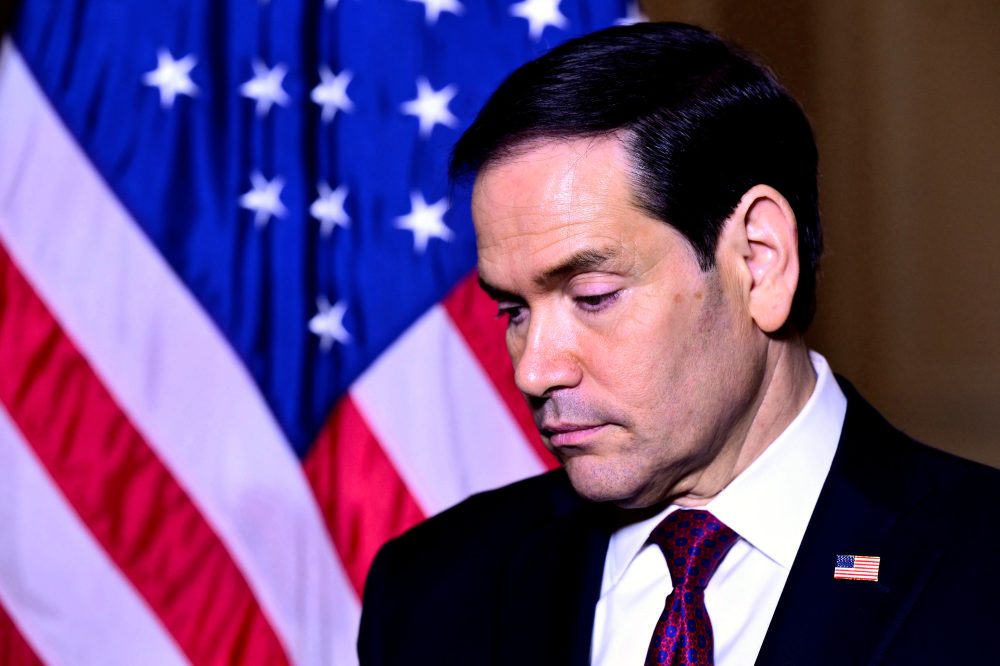
Secretary of State Marco Rubio, speaking to media in Miami before departing for a NATO conference in Sweden followed by an India visit, characterized Cuba as a persistent national security concern due to its relationships with American adversaries. While acknowledging the administration’s preference for peaceful resolution, Rubio expressed pessimism about diplomatic success.
The Secretary of State, whose parents immigrated from Cuba and who has maintained a consistently tough stance against the island’s socialist government, emphasized Trump’s commitment to peaceful negotiations while questioning their feasibility. “Trump’s preference is always a negotiated agreement that’s peaceful. That’s always our preference. That remains our preference with Cuba,” Rubio explained.
However, he added candidly: “I’m just being honest with you, you know, the likelihood of that happening, given who we’re dealing with right now, is not high.”
Recent diplomatic efforts involving senior Trump administration officials — including Rubio, CIA chief John Ratcliffe and other top national security personnel — have produced disappointing results in meetings with Cuban representatives. These unsuccessful talks have prompted additional sanctions against Cuba’s government within the past week.
Rubio criticized Cuba’s historical strategy of delay, stating: “Over the years, Cuba has gotten used to ‘buying time and waiting us out.’ They’re not going to be able to wait us out or buy time. We’re very serious, we’re very focused.”
When pressed about potential military force to alter Cuba’s political structure, Rubio reiterated the preference for diplomatic solutions while noting that “the president always has the option to do whatever it takes to support and protect the national interest.” He rejected characterizations of potential action as “nation-building,” instead framing it as addressing national security risks.
The heightened tensions follow Wednesday’s unsealing of an indictment against Castro, accusing him of authorizing the 1996 destruction of civilian aircraft operated by Miami-based Cuban exiles. The charges, secretly filed by a grand jury in April, include murder and aircraft destruction.
Cuban President Miguel Díaz-Canel denounced the indictment as political theater designed to “justify the folly of a military aggression against Cuba.”
Many observers draw parallels to the Trump administration’s approach toward then-Venezuelan President Nicolás Maduro, who was captured in a military operation in early January. Maduro remains imprisoned in the United States facing federal drug trafficking charges, to which he has entered a not guilty plea.
The timing of military movements has not gone unnoticed, as the USS Nimitz aircraft carrier and its accompanying vessels arrived in Caribbean waters on the same day Castro’s charges were announced. U.S. Southern Command described the deployment as part of ongoing maritime training exercises with Latin American partners that began in March.
Rubio declined to elaborate on potential methods for executing the indictment against Castro, who will turn 95 next month.
Military action threats have intensified since Trump removed Maduro from power and implemented an energy embargo that severely restricted fuel deliveries to Cuba. These measures have resulted in widespread power outages, food scarcity, and economic devastation throughout the island.
Trump has intensified regime change discussions regarding Cuba after promising a “friendly takeover” contingent on the leadership opening Cuba’s economy to American business interests and severing ties with U.S. adversaries.
On Thursday, Rubio outlined Cuba’s national security threat to America, citing the island’s security and intelligence partnerships with China and Russia, plus its cordial relationships with other U.S. opponents in Latin America.
China expressed opposition to American sanctions and pressure against Cuba through Foreign Ministry spokesperson Guo Jiakun on Thursday. “China firmly supports Cuba in safeguarding its national sovereignty and national dignity and opposes external interference,” Guo stated.