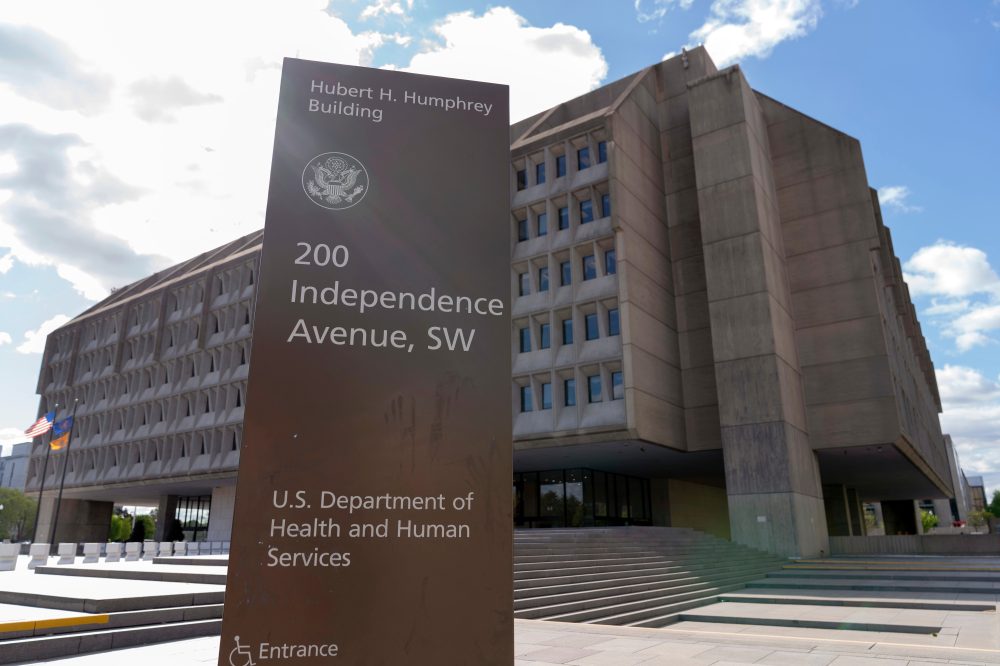

The U.S. Department of Health and Human Services revealed Thursday it is dramatically expanding artificial intelligence technology to monitor how states and other federal health funding recipients conduct audits of their programs. Officials say the initiative aims to reduce fraud risks and protect taxpayer dollars.
According to Gustav Chiarello, the assistant secretary for financial resources overseeing the program, the department will deploy ChatGPT and similar AI platforms to continuously review audit reports submitted by all 50 states.
“It’s classic big government: Everyone files an audit and it lands with a thud and no one does anything about it,” Chiarello explained during an interview. “Here, with AI, we’re able to dig into it.”
This expansion follows the department’s previous adoption of generative AI technology for examining state Medicaid programs, streamlining administrative processes, and text editing. While AI can effectively identify patterns and issues within extensive documentation, skeptics warn federal agencies should proceed carefully due to AI’s tendency toward errors and potential bias.
The current administration and the anti-fraud task force led by Vice President JD Vance have recently emphasized crackdowns on fraudulent activity within Medicaid and Medicare programs, along with student loan applications and other sectors. Federal Trade Commission Chairman Andrew Ferguson recently discussed on Fox News how these efforts incorporate AI technology to identify potential fraud cases.
Annual audit submissions are mandatory for states, local governments, nonprofits, and higher education institutions receiving at least $1 million in federal funding yearly. Chiarello explained the new program will apply AI analysis to audits from HHS-funded initiatives, encompassing state Medicaid programs and federal grant recipients in research, addiction treatment services, and additional areas.
Organizations failing to submit required reports or address identified issues could lose their federal funding.
Opposition voices have criticized the administration’s anti-fraud campaigns, pointing out that most targets have been Democratic states and suggesting a pattern of accusations preceding thorough fact-gathering. The administration previously admitted to The Associated Press that it had made a significant data error used to support a New York Medicaid fraud investigation.
When questioned about protections against AI errors, Chiarello emphasized that officials would be reviewing existing public reports rather than discovering new information. He stated the technology’s purpose is to help grantees become more responsible stewards of federal money.
Rob Weissman, co-president of consumer advocacy organization Public Citizen, expressed doubt about the administration’s genuine commitment to fraud prevention and questioned whether AI tools would be applied fairly and without partisan bias.
“The AI is kind of beside the point when you assess what their actual objectives are, rather than what they pretend they are,” he commented.
HHS confirmed it has notified governors and treasurers across all 50 states about the new program through official letters. The Wall Street Journal first reported on this initiative.
Chiarello mentioned ongoing discussions with colleagues at other federal departments, hoping they will adopt similar approaches.
“It would be fairly easy for the other agencies to use our technology and jump on it,” he noted.