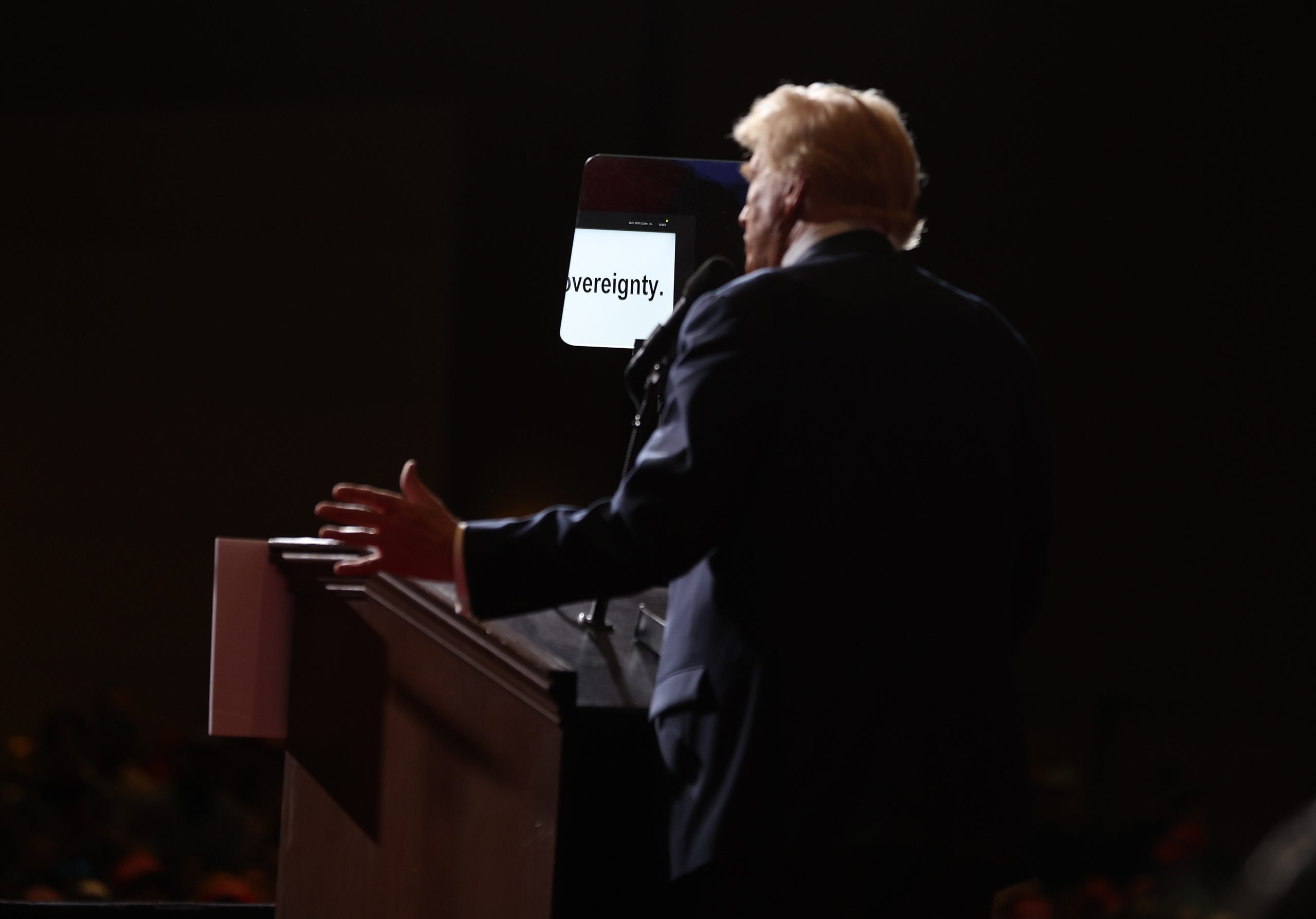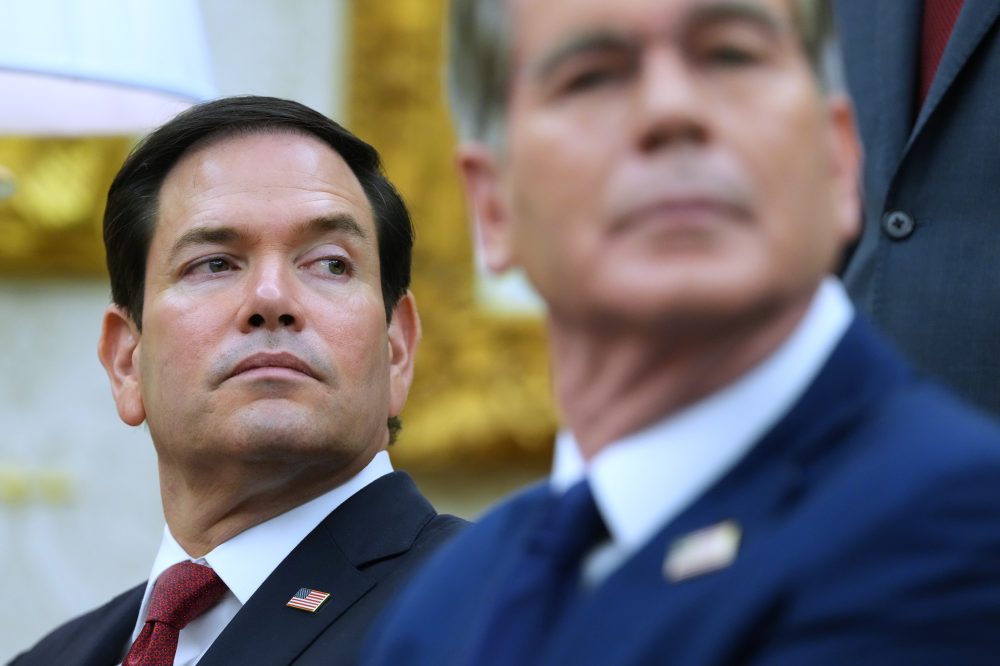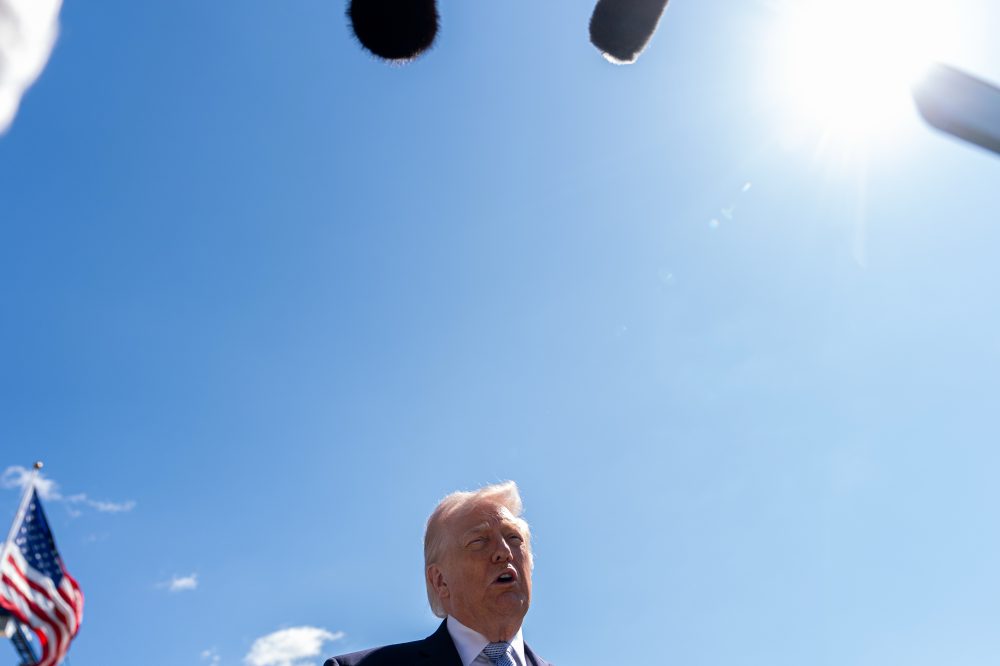

WASHINGTON — In a stunning reversal within 24 hours, President Donald Trump shifted from warning Iran of complete destruction to accepting what he called a viable proposal that resulted in a 14-day ceasefire agreement, which he believes will help conclude the conflict that has lasted nearly six weeks.
This remarkable change in approach occurred while intermediaries, particularly Pakistan, worked intensively to prevent further escalation of hostilities. Sources who spoke anonymously revealed that China, Iran’s largest trade partner and America’s primary economic rival, also worked behind the scenes to establish a path toward ending hostilities.
“The reason for doing so is that we have already met and exceeded all Military objectives, and are very far along with a definitive Agreement concerning Longterm PEACE with Iran, and PEACE in the Middle East,” Trump stated on social media when announcing the temporary halt to fighting, approximately 90 minutes before his ultimatum for Tehran to reopen the vital Strait of Hormuz or witness the destruction of its power facilities and essential infrastructure.
The president plans to meet with NATO Secretary-General Mark Rutte at the White House on Wednesday, where discussions are expected to focus heavily on the developing ceasefire and plans to reopen the strategic waterway.
Before the deadline arrived, Democratic legislators condemned Trump’s threat to eliminate an entire nation as “a moral failure,” while Pope Leo XIV cautioned that attacks on civilian infrastructure would breach international law, describing the president’s statements as “truly unacceptable.”
However, Trump may have ultimately stepped back due to a fundamental reality: further escalation risked entangling the United States in the type of prolonged conflict that had troubled previous administrations and which he had promised voters he would avoid if returned to office.
While Trump celebrated American and Israeli military achievements over the past six weeks, he seemed to operate under the assumption that bombing campaigns could force Iran to surrender.
Beginning with Ayatollah Ali Khamenei’s death in the war’s initial attacks, he appeared to underestimate the Iranian leadership’s willingness to engage in an extended, costly conflict.
Throughout its 47-year history, the Islamic Republic has consistently demonstrated its readiness to maintain resistance, even when such actions appeared contrary to its own interests from an American perspective.
The religious leadership detained American hostages for 444 days from late 1979 to early 1981, damaging the nation’s global reputation. The clerical authorities permitted the devastating Iran-Iraq conflict to continue for years, resulting in hundreds of thousands of casualties. They supported Hamas following the October 7 attack that triggered a war with Israel, ultimately weakening both the Iran-supported organization in Gaza and Hezbollah in Lebanon, while creating circumstances that led to the downfall of Tehran-allied Bashar Assad’s authoritarian government in Syria.
Despite being weakened and outmatched militarily, Iran’s leadership projected confidence in their ability to entangle the world’s dominant military power in an expensive, prolonged engagement, even if they couldn’t defeat the formidable U.S. forces.
Military experts generally concurred that American forces could rapidly seize control of the Strait of Hormuz, the narrow Persian Gulf passage between Iran and Oman that handles approximately 20% of global daily oil transport. However, maintaining security over this waterway would demand a dangerous, resource-heavy operation potentially requiring years of American involvement.
Ben Connable, who leads the nonprofit Battle Research Group, explained that securing the strait would necessitate U.S. military control over roughly 600 kilometers (373 miles) of Iranian land, stretching from Kish Island westward to Bandar Abbas eastward, to prevent Iran from launching missiles at vessels navigating the strait. Connable estimated this mission would likely need three U.S. infantry divisions, approximately 30,000 to 45,000 soldiers.
“This would be an indefinite operation — so, you know, think: be ready to do this for 20 years,” explained Connable, a former Marine Corps intelligence officer. “We didn’t think we were going to be in Afghanistan for 20 years. We didn’t think we’re going to have to be in Vietnam as long as we were, or Iraq.”
The temporary ceasefire arrangement includes permitting both Iran and Oman to collect transit fees from vessels passing through Hormuz, according to a regional official. This source indicated Iran would direct its collected funds toward reconstruction efforts. The intended use of Oman’s portion remained unclear.
The strait lies within the territorial boundaries of both Oman and Iran. Previously, the global community treated this passage as international waters requiring no toll payments.
Following the ceasefire announcement, Sen. Chris Murphy, D-Conn., argued that Trump was essentially granting Tehran authority over the strait and providing “a history-changing win for Iran.”
“The level of incompetence is both stunning and heartbreaking,” Murphy stated.
The ceasefire declaration followed Pakistan Prime Minister Shehbaz Sharif’s appeal for Trump to postpone his deadline by two weeks to allow diplomatic efforts to progress, while simultaneously requesting Iran to open the strait for the same period.
Two weeks has emerged as Trump’s preferred timeframe for delaying major decisions. Last summer, the White House announced he would decide on launching initial bombing operations against Iran within two weeks, though the president ultimately ordered airstrikes claiming to have “obliterated” Iran’s nuclear capabilities before that period ended.
Trump has also frequently employed two-week deadlines during negotiations to end Russia’s conflict with Ukraine and, dating back to his first presidency, for resolving major policy challenges like healthcare reform, though these timeframes often produced minimal results.
Throughout the initial 15 months of his second presidency, Trump has consistently made extreme demands before moderating his position.
The president retreated from many of the comprehensive “Liberation Day” tariffs initially announced in April 2025 after they triggered financial market chaos. The most dramatic example occurred during a January World Economic Forum meeting in Davos, where Trump demanded U.S. control over Greenland “including right, title and ownership” before reversing course and abandoning his threat to impose extensive European tariffs to advance his position.
His justification for backing down involved claiming agreement with NATO leadership on a “framework of a future deal” regarding Arctic security, despite the U.S. already possessing substantial military access to Greenland, which belongs to Denmark’s kingdom.
The White House celebrated Tuesday evening, with staff attributing the ceasefire conditions to U.S. military strength and Trump’s strategic maneuvering.
“The success of our military created maximum leverage, allowing President Trump and the team to engage in tough negotiations that have now created an opening for a diplomatic solution and long-term peace,” declared White House press secretary Karoline Leavitt. She continued, “Never underestimate President Trump’s ability to successfully advance America’s interests and broker peace.”