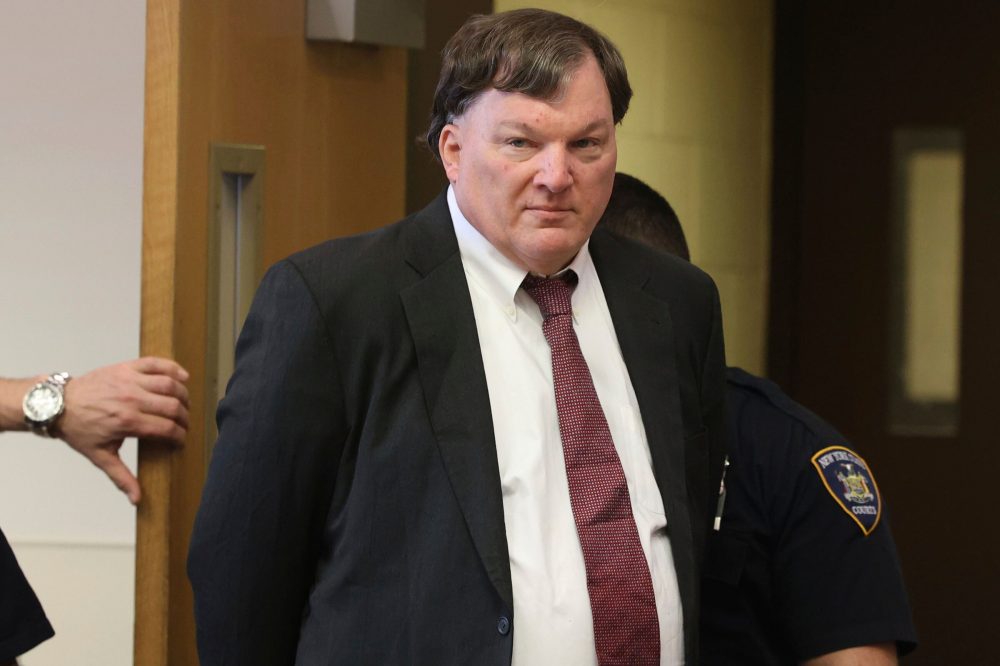

A 62-year-old architect from Long Island will reportedly admit his guilt Wednesday in the notorious Gilgo Beach serial murder case, bringing closure to an investigation that has captivated the nation and tormented families for more than a decade.
Rex Heuermann faces charges for killing seven women, most of whom worked as sex workers, during a period spanning 17 years. An admission of guilt would guarantee he spends his remaining years behind bars.
Three sources with knowledge of the situation confirmed Heuermann’s intention to enter a guilty plea to The Associated Press, requesting anonymity since the court proceedings haven’t occurred yet. His sentencing will take place at a future date.
Suffolk County District Attorney Ray Tierney has arranged a press conference for Wednesday afternoon, after the morning court session. He’ll appear alongside family members of the victims and representatives from the Gilgo Beach Homicide Investigation Task Force, the team that solved the case using evidence including DNA recovered from thrown-away pizza remains.
Attempts to reach Heuermann’s attorney, Michael Brown, for comment were unsuccessful.
The investigation into the Gilgo Beach murders gained momentum in 2010 when authorities discovered multiple sets of human remains scattered along an isolated coastal highway on Long Island’s South Shore. This discovery launched an international manhunt for a suspected serial killer that inspired documentaries and a major motion picture.
Law enforcement officials employed DNA testing and additional forensic evidence to determine victims’ identities. In several instances, they successfully linked these remains to bodies discovered in other Long Island locations years before.
Six victims’ remains — Melissa Barthelemy, Maureen Brainard-Barnes, Amber Lynn Costello, Valerie Mack, Jessica Taylor and Megan Waterman — were discovered in brush alongside Ocean Parkway near Gilgo Beach. Another victim, Sandra Costilla, was found over 60 miles away in the Hamptons area.
Authorities have also confirmed the identity of an eighth woman, Karen Vergata, whose remains were located on Fire Island more than 20 miles west in 1996, with additional remains found near Gilgo Beach in 2011. Heuermann hasn’t been charged in connection with Vergata’s death.
Despite widespread media coverage, including documentary productions and the 2020 Netflix movie “Lost Girls,” the case remained unsolved for over ten years, marked by brief investigative leads and repeated disappointments.
In 2022, just six weeks after a newly appointed police commissioner established the Gilgo Beach task force, investigators pinpointed Heuermann as a suspect. They used vehicle registration records to link him to a pickup truck that a witness reported seeing when one victim vanished in 2010.
For decades, Heuermann resided in Massapequa Park, approximately 25 minutes by car across a causeway over South Oyster Bay from the sandy area where the women’s bodies were discovered. Several victims were thought to have vanished from that community, and their mobile phones had connected to nearby cell towers, officials reported.
Following the truck connection, a grand jury approved over 300 subpoenas and search warrants, enabling the task force to thoroughly investigate Heuermann’s background.
Investigators gathered phone records for disposable phones he supposedly used to schedule meetings with victims, re-examined DNA evidence found with the bodies, and analyzed Heuermann’s online browsing history. This revealed he had accessed violent torture content and showed significant interest in the Gilgo Beach murders and the ongoing investigation. Mobile phone records indicated Heuermann had communicated with some victims shortly before their disappearances, investigators stated.
To secure Heuermann’s DNA sample, surveillance officers followed him in Manhattan, where he was employed, and observed him discarding his lunch leftovers — a container of partially consumed pizza crusts — into a street trash receptacle.
Officers quickly retrieved the container and delivered it to the forensics laboratory, which successfully matched DNA from the crust to a male hair discovered on burlap material used to bind one victim. His arrest occurred in July 2023.
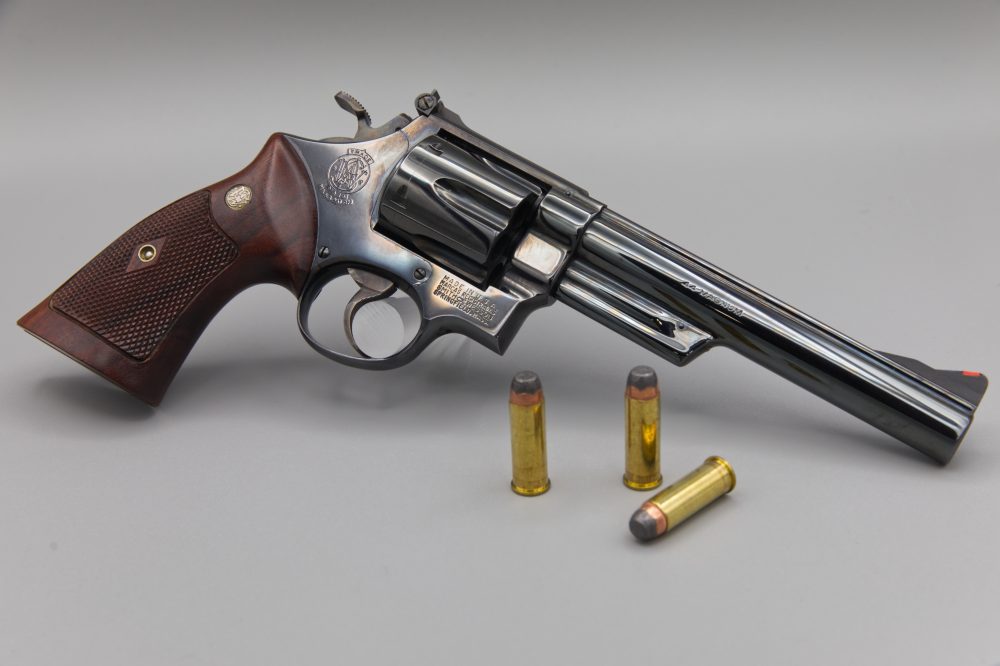
Following Heuermann’s detention, investigators spent over 12 days examining his property and residence, where they uncovered a basement storage area containing 279 firearms. On his computer system, officials reported finding what they characterized as a detailed plan for the murders, including multiple checklists with notes about minimizing sound, cleaning victims’ bodies, and eliminating evidence.
Last year, a judge denied Heuermann’s attempt to exclude DNA evidence collected through sophisticated methods that prosecutors claim definitively identifies him as the perpetrator.