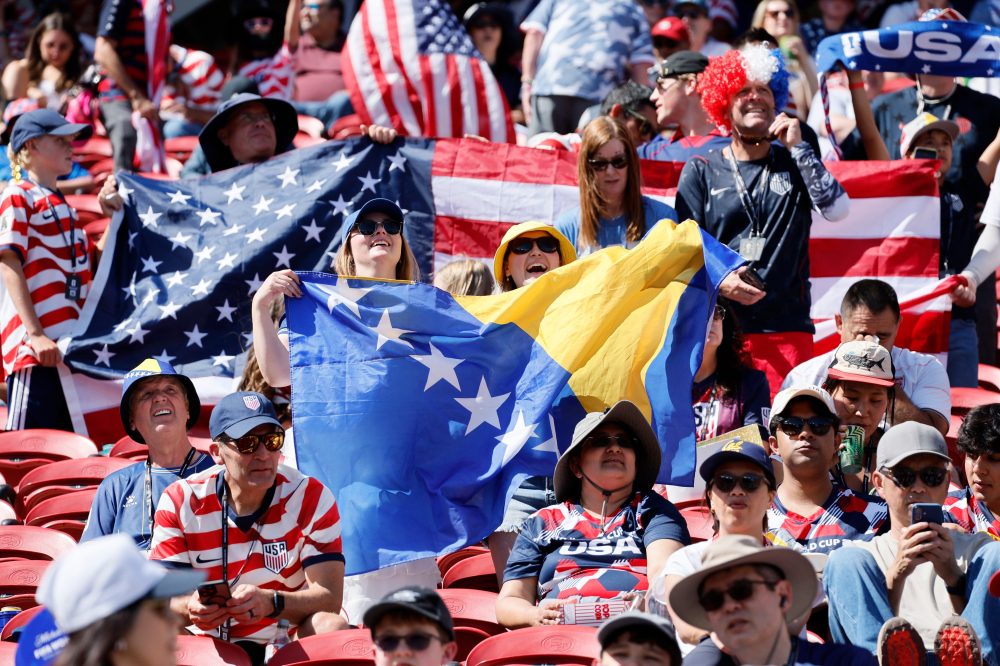

NEW YORK — StubHub is now facing a federal lawsuit filed by fans who say the ticket resale company destroyed their chances of attending World Cup matches after failing to deliver tickets they had already paid for.
Julia Reeker Moghal and Reuben Renteria, both residents of California, took legal action against the ticketing company this week in federal court in New York. They allege that “false and misleading” sales practices left them holding nothing after purchasing tickets to group stage matches last month.
The lawsuit is seeking class action status, arguing that Moghal and Renteria represent hundreds — possibly thousands — of World Cup fans who bought tickets only to discover those tickets “did not exist, were revoked without any forewarning, or had been erased.” The tournament’s governing body, FIFA, reportedly attributed the problems to “poor digital infrastructure.”
Beyond financial compensation, the two plaintiffs are asking a court to prohibit StubHub from continuing to sell World Cup tickets and to redirect any profits from those sales back to customers who were harmed.
StubHub chose not to comment directly on the lawsuit, but issued a statement saying its “singular goal is to get fans into events.” The company added that when problems arise, “our FanProtect Guarantee provides replacement tickets or a full refund,” and stated that “the issues fans have experienced are largely driven by problems with the event organizer’s own ticketing infrastructure.”
FIFA, for its part, directs fans to purchase tickets through its own marketplace, where it tacks on a 30% surcharge to every resold ticket — split evenly between buyer and seller at 15% each.
In a separate statement, FIFA said it “has no visibility over, or control of, secondary market ticket transactions carried out on third-party platforms” and rejected any claim that its ticketing infrastructure was responsible for the problems users encountered on outside resale platforms.
For weeks leading up to the matches, frustrated fans took to social media to voice complaints about tickets that never showed up, orders canceled at the eleventh hour, and hours spent trying to navigate disputes between FIFA’s ticketing system and third-party resellers.
According to the lawsuit, Moghal paid $1,905 for three tickets to the June 18 Switzerland-Bosnia and Herzegovina match at SoFi Stadium in Inglewood, California. She never received the tickets and never got a refund — a direct violation of the company’s stated guarantee.
As the match drew closer, Moghal received a series of contradictory updates about her order. She was first told the tickets were ready, then notified the order had been canceled, and then led to believe delivery was back on track, the lawsuit states.
After the cancellation, Moghal reportedly spent hours on the phone with StubHub. The company initially stood by the cancellation, then reversed its position and told her the tickets would arrive an hour before the match, the lawsuit says.
Moghal drove to the stadium and waited in line — but the tickets never came. She was then promised a refund, which also never materialized, according to the lawsuit.
The lawsuit argues that had she known “that StubHub was either unable to deliver or not authorized to deliver her World Cup Tickets to her, she never would have purchased them.”
Renteria’s experience followed a similar pattern. He paid $2,294 for two tickets to the June 18 Mexico-South Korea match in Guadalajara, Mexico, but also never received them. He too was initially told his tickets were ready, only for StubHub to cancel the order. Renteria eventually received a refund, but only after lodging “significant complaints to StubHub,” and he was left to absorb the cost of his travel to Mexico out of pocket, the lawsuit says.