
CAPE TOWN, South Africa — A wave of anti-immigrant anger is driving thousands of African migrants out of South Africa, as tensions build ahead of a self-imposed June 30 deadline set by anti-immigration protest groups demanding action from the government.
The protest groups have been staging demonstrations and marches across the country for months, blaming immigrants — without evidence — for South Africa’s high unemployment rate, failing public services, and rising crime. They have threatened to launch a “national shutdown” if the government does not take steps against what they describe as a serious illegal immigration problem by the end of the month.
South Africa’s police minister confirmed that authorities are on high alert, with large-scale protests expected on the deadline day itself.
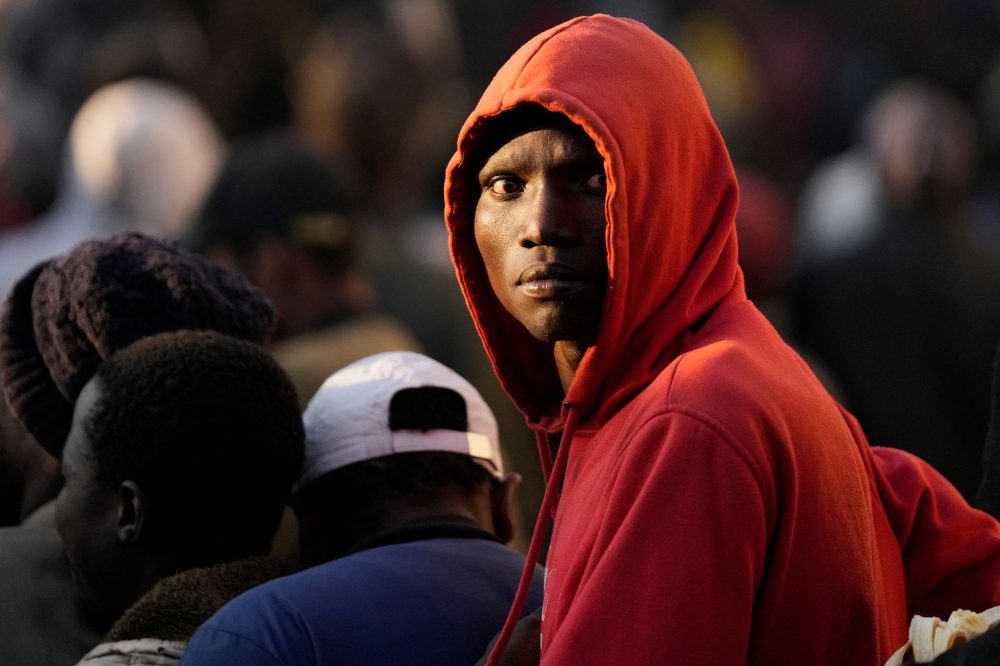
In the meantime, thousands of migrants have taken refuge in makeshift shelters and near embassies, fearing for their safety. Multiple African countries have begun bringing their citizens home while publicly condemning what they call a climate of xenophobia in South Africa.
The issue has dominated national politics since March, when protests erupted in several major cities. South African President Cyril Ramaphosa addressed the nation on television earlier this month in an effort to calm the situation. He accused some protest organizers of using immigration as a political tool, and stated that “illegal immigration is not the cause of our social and economic difficulties.” However, Ramaphosa also acknowledged that the country’s border control systems have fallen short.
South Africa has long been a destination for migrants from other parts of Africa due to its comparatively stronger economy. According to 2022 census data, roughly 2.4 million foreign nationals were living in South Africa at the time, making up less than 4% of the country’s 62 million residents. Critics argue those numbers don’t capture the full picture, since many undocumented individuals would not be counted.
Over the past two years, South Africa’s home affairs ministry says it has deported more than 100,000 people found to be living in the country without proper documentation, while turning away approximately 500,000 more at border crossings. Anti-immigration groups have pointed to those numbers as proof the problem is significant.
Violence has accompanied the rising tensions. Police are investigating the deaths of two Mozambican nationals killed this month in a small coastal town, where more than 50 homes in an immigrant neighborhood were also set on fire, according to local officials. In a separate incident last week, a man from Malawi was allegedly stoned to death during anti-immigration protests, triggering another police investigation.
South Africa has a long and troubled history with xenophobic violence. Migrants from neighboring countries such as Zimbabwe, Mozambique, and Malawi often settle in low-income communities where unemployment is high and tensions run deep. In 2008, more than 60 people — both South Africans and foreign nationals — were killed when anti-immigrant violence erupted in Johannesburg and spread across the country. Sporadic outbreaks have occurred ever since.
A spokesperson for United Nations Secretary-General Antonio Guterres said the UN chief was “deeply concerned by reports of xenophobic attacks and acts of harassment and intimidation against migrants and foreign nationals in parts of South Africa.”
Nigeria, Ghana, and Mozambique are among the African nations that have spoken out strongly against the treatment of their citizens. Nigeria and Ghana together have repatriated nearly 2,000 people on government-funded flights and say more evacuations are planned. Zimbabwe and Mozambique have also brought back smaller numbers of nationals.
In the eastern city of Durban, approximately 10,000 Malawian migrants gathered at a temporary shelter last week hoping to return home. More than 8,000 of them have since departed on buses arranged by the Malawian government or private sponsors, though more continue to arrive. South African authorities said they assisted with the repatriation process, but also formally deported many of those individuals for lacking valid residency documents.