
A new Federal Reserve Bank of New York study released Monday reveals that the shift to remote work following the pandemic has created significant barriers for young job seekers, making employers less willing to hire recent college graduates.
Research conducted by the New York Fed examined the difference between jobs that can be performed remotely — like software development — versus positions requiring in-person presence, such as nursing roles. The analysis discovered that joblessness among young college graduates in remote-capable positions increased by approximately 1 percentage point when comparing 2017-2019 data to 2022-2024 figures.
Meanwhile, workers 29 and older in these same remote-capable fields experienced a slight decrease in unemployment rates, creating a significant disparity between younger and older college graduates in these occupations. However, positions that cannot be performed remotely showed minimal differences in unemployment between age groups, according to the research. This pattern was also observed among workers without college degrees.
Research economist Natalia Emanuel, who led the New York Fed study, determined that companies are hesitant to bring new graduates into remote work environments due to the challenges of providing proper training and guidance from a distance. The researchers calculated that remote work accounts for nearly two-thirds of the increased unemployment rate among young college graduates since the pandemic began.
“Remote work has weakened incentives to hire young workers by impeding on-the-job training,” the study said. “Employers may not want to hire fresh graduates onto distributed teams because it is more difficult to teach them the requisite skills from afar.”
The research emphasizes that rising unemployment among recent college graduates began before artificial intelligence tools like ChatGPT became widely available. When researchers analyzed how different occupations were affected by AI technology, they discovered minimal impact on youth unemployment rates.
College graduates under 29 saw their unemployment rate climb 20% from pre-pandemic levels to an average of 3.7% during 2022-2025, according to the New York Fed data. Graduates between ages 22 and 27 faced a 5.8% unemployment rate last year, marking the highest level outside the pandemic period since 2012.
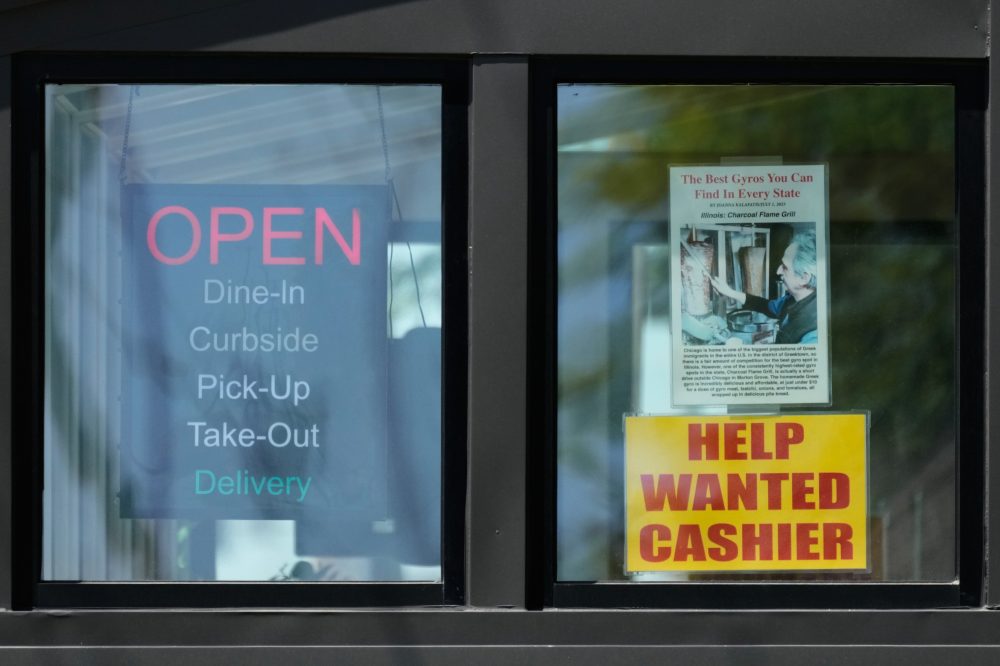
These findings align with current job market conditions characterized by minimal layoffs and stable unemployment rates overall, while those seeking employment face significant challenges finding new positions.
The New York Fed research also examined internal data from an unnamed Fortune 500 technology company, which showed hiring patterns consistent with the broader trends identified in the study.
During office closures when employees worked entirely from home, “the firm hired fewer inexperienced workers and more experienced workers, who might need less mentorship to do their jobs well.”
“Once its offices reopened, the company shifted back to hiring younger workers,” the study said. However, even after returning to office operations, the company continued to prefer experienced candidates for teams that included remote work components.