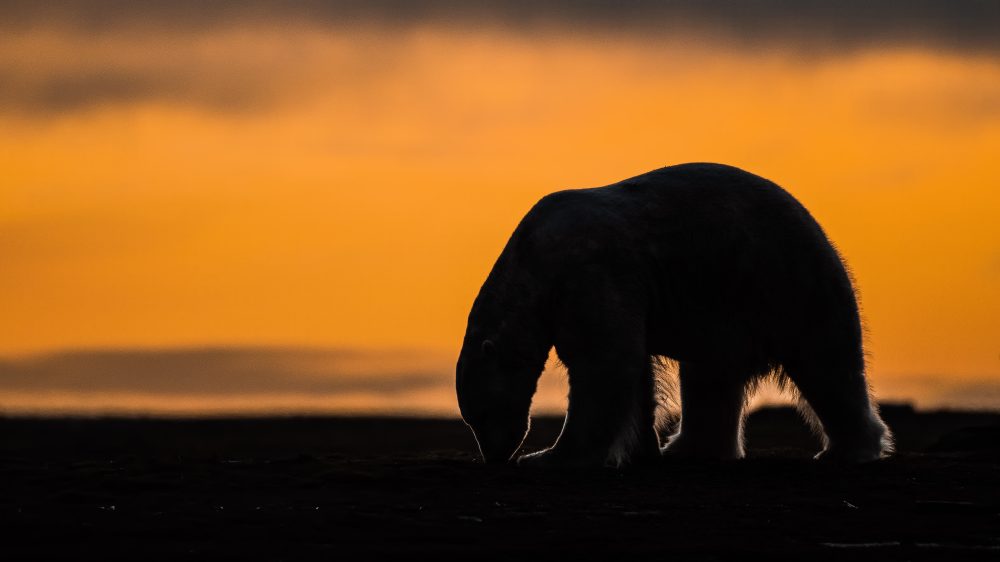

Each late summer, massive white polar bears congregate near Kaktovik, a small Alaska Native community positioned above the Arctic Circle, where they feed on whale remains left by local hunters while awaiting winter’s freeze of ocean waters.
This remarkable wildlife display previously drew over 1,000 visitors annually to Kaktovik, the sole community within the Arctic National Wildlife Refuge. The phenomenon became known as “last chance tourism” – opportunities to witness extraordinary wildlife before climate change potentially eliminates them.
The coronavirus outbreak and federal restrictions on boat excursions effectively shut down Kaktovik’s polar bear tourism due to worries about overwhelming the small community. However, village officials now seek to restart the industry, believing it could generate millions for the local economy while providing residents additional income – if proper protections are established for both community life and the bears.
“We definitely see the benefit for tourism,” said Charles Lampe, president of the Kaktovik Inupiat Corp, which owns 144 square miles (373 square kilometers) of land. “The thing is, it can’t be run like it was before.”
Dating to the early 1980s, any Kaktovik resident with watercraft and local knowledge could guide tourists to observe bears roaming the flat, barren barrier islands offshore or feeding on bowhead whale carcasses left by subsistence hunters.
Visitor numbers surged following the 2008 federal designation of polar bears as a threatened species. Arctic warming is destroying sea ice that bears need for seal hunting, with scientists predicting most polar bears could disappear by century’s end.
Rising tourism prompted federal permit and insurance requirements that began excluding local operators, Lampe explained. Outside companies took over, eventually bringing tourist crowds to Kaktovik – population roughly 250 – during the six-week viewing period.
The community’s two hotels and restaurants lost revenue when major operators started flying visitors from Fairbanks or Anchorage for single-day visits. Residents complained about tourists staring at them or walking through private property.
Limited aircraft capacity created problems, with locals sometimes competing with tourists for flights to larger cities for medical care, forcing those unable to board into costly overnight hotel stays.
Kaktovik suspended tourism during the pandemic. In 2021, federal authorities stopped boat tours entirely, primarily due to concerns about tourist impacts on bear behavior and community disruption.
Alaska Native leadership is currently negotiating with the U.S. Fish and Wildlife Service to address these issues and restart the industry, possibly by 2027. The agency stated to The Associated Press that it’s collaborating with Kaktovik “to ensure that any future opportunities are managed in a way that prioritizes visitor safety, resource protection, and community input.”
Proposed changes include limiting how long boats can remain near bears. Extended exposure makes bears comfortable around humans, Lampe noted, creating dangerous situations when bears enter the village seeking food.
At tourism’s peak, removing bears from town became more difficult despite the bear patrol using non-lethal ammunition. The patrol killed approximately three to four bears yearly, compared to maybe one annually before the tourism increase, Lampe said.
“Our safety was at risk,” Lampe said.
In 2023, a polar bear killed a 24-year-old woman and her 1-year-old son in Wales, western Alaska. This marked Alaska’s first fatal polar bear attack in nearly three decades in the only U.S. state where the species lives.
Since halting Kaktovik boat tours, bears appear more wary of humans again, Lampe observed.
Bear tourism overlaps with Kaktovik’s subsistence whaling season. When crews land whales, butchering typically occurs on nearby beaches. While the community welcomes visitor observation or participation, some recorded or photographed without permission, which is disrespectful, Lampe said.
Sherry Rupert, CEO of the American Indigenous Tourism Association, recommended Kaktovik develop two- or three-day experiences.
Native communities prepared for tourists “want them to come and be educated and walk away with a greater understanding of our people and our way of life and our culture,” she said.
Roger and Sonia MacKertich of Australia sought the world’s best polar bear viewing location when they visited Kaktovik in September 2019. They stayed several days, took an elder-guided walking tour, and purchased local artwork including a polar bear hoodie.
For Roger MacKertich, a Sydney-based professional wildlife photographer, boat tours watching bears on barrier islands or swimming were the experience highlight. The bears ignored their presence.
“That’s nearly as good as it gets,” he said.