
LOCK HAVEN, Pa. — Pennsylvania Governor Josh Shapiro may be expected to cruise to reelection, but the Democratic leader has much more at stake this election cycle than just his own political future.
As Shapiro begins ramping up his campaign activities, he’s working to help Democrats secure control of Pennsylvania’s state legislature for the first time in decades. He’s also backing his preferred candidates in competitive congressional primary races, attempting to shape his party’s roster for the midterm elections that will decide control of Congress.
These efforts mirror those of other potential Democratic presidential contenders who are testing their political influence in ways that could impact both their futures and their party’s direction.
Other governors have had mixed results with similar strategies. Illinois Governor JB Pritzker successfully supported his preferred candidate in his state’s U.S. Senate primary. Maryland Governor Wes Moore was unsuccessful in convincing lawmakers to redraw congressional maps, while California Governor Gavin Newsom secured redistricting through a voter referendum last year.
When questioned about potentially building his resume for a future White House bid, Shapiro dismissed both inquiries and Republican attacks on the subject.
“The only thing I am focused on is beating my opponent for governor and helping other Democrats get elected here and sending a clear message to Donald Trump that the chaos, cruelty and corruption that he’s been engaged in is not something that we support here in Pennsylvania,” Shapiro told The Associated Press after addressing Democrats at a crowded coffee shop in small-town Lock Haven.
While Shapiro has never publicly stated interest in a presidential run, he does express desire to influence his party’s direction. Democrats must learn how to “get stuff done” to improve people’s lives, he explained, and he wants to be “part of that conversation.”
Republican state treasurer Stacy Garrity, who is challenging Shapiro for governor, accused him of being unable to conceal his presidential ambitions — which she claims hurts Pennsylvania.
“We all know that he’s more interested in Pennsylvania Avenue than helping Pennsylvania families,” she said in an interview. “He thinks if he can hand Pennsylvania on a platter to the Democratic Party, then maybe they take a harder look at him.”
That strategy might work.
Pennsylvania presents unique political challenges, and Democrats nationwide are watching Shapiro’s success there, according to Paul Begala, a Democratic campaign strategist, commentator and former senior aide to President Bill Clinton.
This election provides Shapiro with a chance to showcase his political strength.
“Right now, Democrats, the thing they want the most is a winner, and a very close second is a fighter,” Begala said. “This election is an opportunity for him to show that.”
Before this year’s campaign season, Shapiro consolidated his influence over the Pennsylvania Democratic Party by securing the election of his chosen chair and contributing over $900,000 this election cycle to party coffers.
He’s positioned to surpass his own state fundraising records and regularly tells voters that Pennsylvania represents the “center of the political universe” in the battle for U.S. House control.
Democrats aim to capture four House seats in Pennsylvania. Shapiro has endorsed candidates including Scranton Mayor Paige Cognetti, state firefighters’ union president Bob Brooks, and former television news anchor Janelle Stelson, who came close to winning two years ago.
Shapiro has already produced a campaign advertisement for Brooks, who faces a competitive four-candidate primary to challenge freshman Republican Congressman Ryan Mackenzie.
Shapiro’s endorsements haven’t deterred other Democratic candidates from running.
Ryan Crosswell, a former federal prosecutor competing against Brooks, released a campaign statement that indirectly referenced the governor, stating Crosswell has “no party machine behind him, no power broker network, no favors to call in.”
Regarding his endorsement strategy, Shapiro stated: “I’m just focused on trying to elevate good people. Hopefully they’ll all win.”
Republicans are deploying their own high-profile supporters.
Garrity revealed that the White House requested a list of people she wants to visit Pennsylvania.
President Trump, Vice President JD Vance and several Cabinet members have already toured the state’s competitive congressional districts. House Speaker Mike Johnson recently conducted a fundraising tour through Pennsylvania.
“We know the majority runs through Pennsylvania and the speaker is focused on doing everything he can to help those members defend their seats,” said Greg Steele, a spokesperson for Johnson’s political operation.
Johnson will likely return to Pennsylvania, having made it his final campaign stop before the 2024 election.
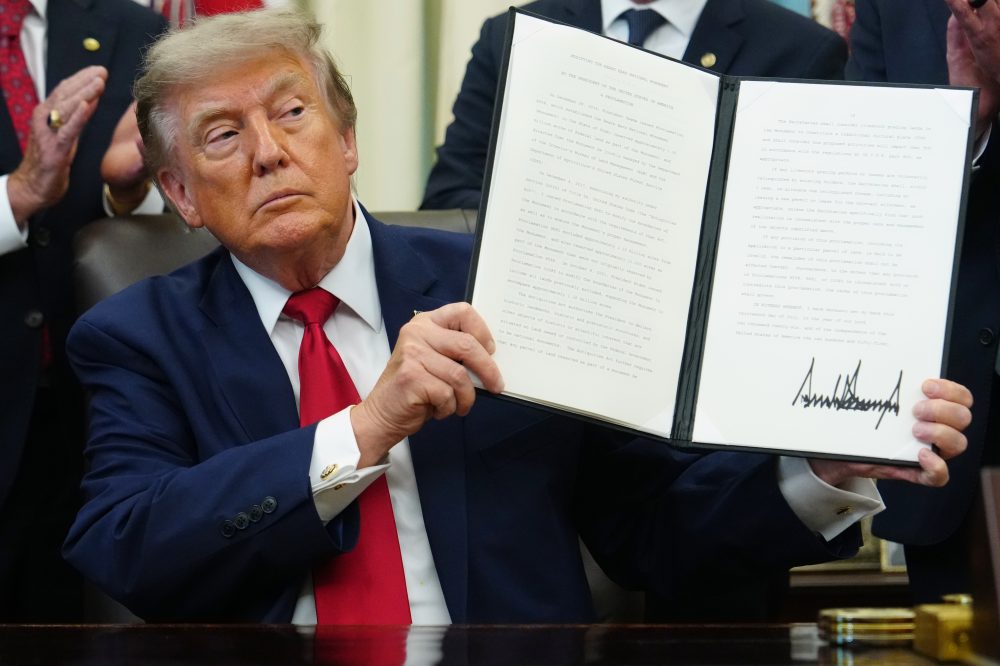
Trump and Vance may also return, while the president continues monitoring Pennsylvania developments. Tuesday evening, he used social media to claim credit for a decision by coal-fired power plant owners not to close their facilities, calling it a “BIG WIN for the Great Commonwealth of Pennsylvania, which I love.”
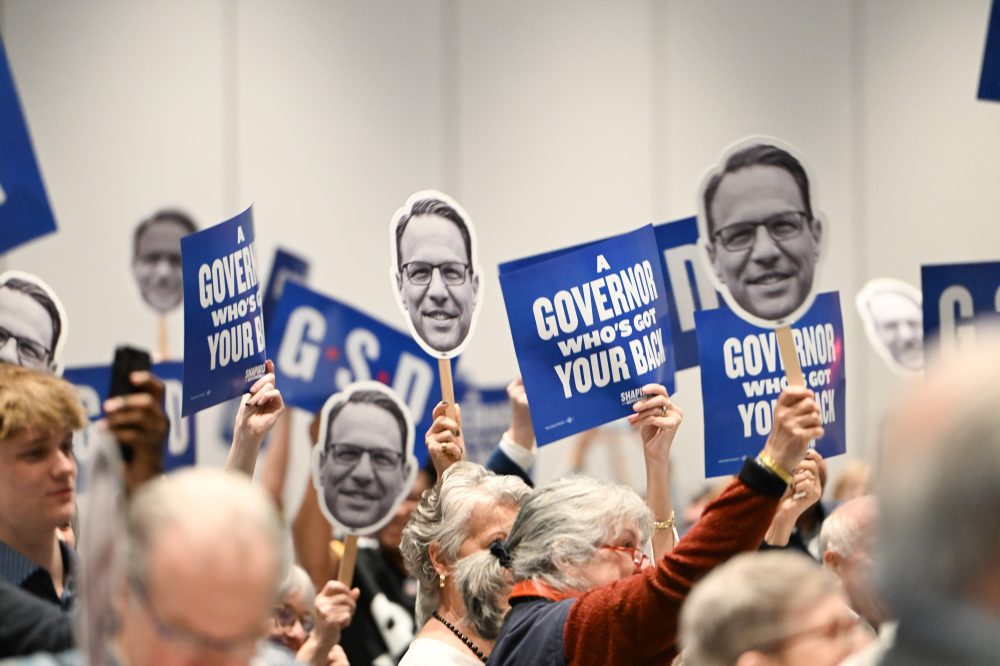
As Shapiro launches his campaign efforts, he’s proving to be a significant draw even in Pennsylvania’s remote areas. This month, he helped fill a ballroom for Centre County Democrats and the coffee shop for Clinton County Democrats.
“I saw brand-new people, I saw people who have not been engaged in the party in years,” said Bre Brannan, Clinton County’s Democratic Party chair. The audience included Republicans and independents as well, she noted.
Shapiro tells audiences that with a Democratic “trifecta,” he could accomplish more, pointing to legislation Republicans have blocked. This includes increasing Pennsylvania’s extremely low minimum wage and expanding legal protections for LGBT residents. He’s also promoting a housing affordability initiative this year.
Gaining complete control of the state Legislature would represent a significant achievement. Democrats maintain a one-seat majority in the state House and haven’t controlled the state Senate in more than 30 years.
Few Democrats being considered for the 2028 presidential race have opportunities to demonstrate political strength and party-building skills in swing states.
This opportunity could help Shapiro establish his credentials when presidential campaign season begins and potential candidates seek institutional support, endorsements and donor commitments.
Investing money in down-ballot races and flipping seats may not impress average voters, but activists, donors and other elected officials value such efforts greatly, strategists explain.
Success would enhance Shapiro’s position as candidates compete in the “perception campaign” to appear as the strongest contender, said Democratic campaign strategist Mike Mikus.
“It doesn’t guarantee anything,” Mikus said. “But it is definitely something to bring to the table when you’re lining up donors, endorsements and finance chairs, things like that. It’s compelling to them.”