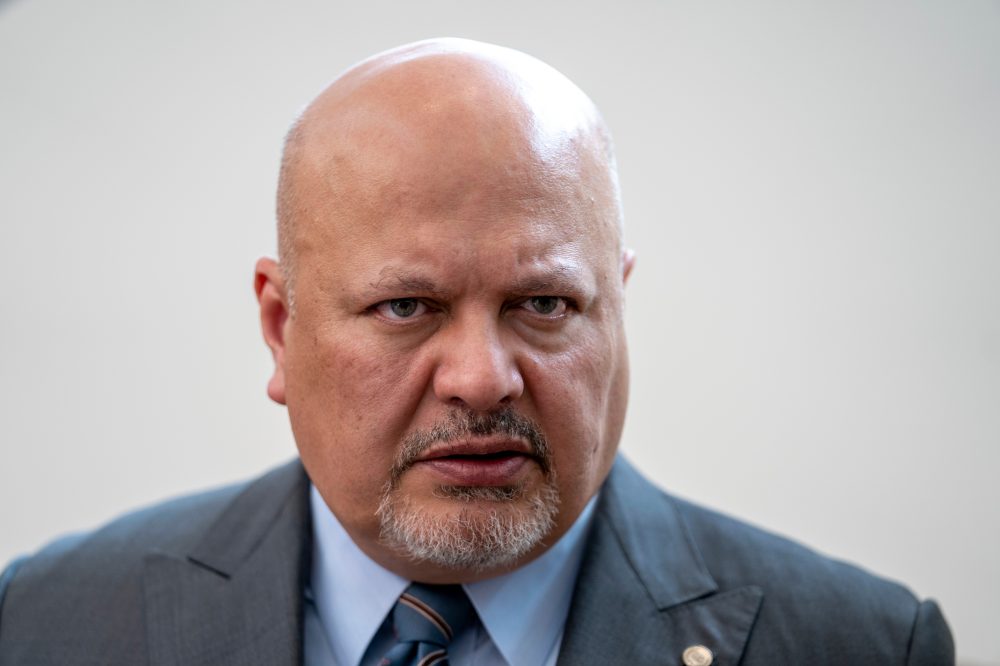

THE HAGUE, Netherlands — A British legal oversight body announced Tuesday that it is standing by its decision to suspend the International Criminal Court’s troubled chief prosecutor, who is facing serious allegations of sexual misconduct.
The ruling by the British Standards Board means Karim Khan remains prohibited from practicing law in his home country, even as the ICC’s governing body prepares to vote later this month on whether to remove him from his post entirely.
Khan, who is 56 years old, has been at the center of a scandal involving alleged sexual misconduct against a female aide — a controversy that has stretched on for more than two years. He has consistently denied any wrongdoing.
The board first suspended Khan back in June, a step the regulator said is reserved for “very serious and urgent cases,” following a formal complaint. After holding a hearing last week, the bar association decided to keep the suspension in place while disciplinary proceedings continue.
Just days before the British action, the executive committee of the ICC’s oversight body had already concluded that Khan was guilty of serious misconduct and recommended his removal from office.
The ultimate decision now falls to the Assembly of States Parties — the body responsible for overseeing the ICC — which will convene a special session on July 24 at United Nations headquarters in New York.
The allegations against Khan were first brought to the court’s independent watchdog more than two years ago. An Associated Press investigation found that Khan allegedly identified the woman while she was working in a different ICC department and had her transferred to his office. She later became a frequent presence on his official international travel, according to whistleblower documents.
During one overseas trip, Khan allegedly asked the woman to lie down with him on a hotel bed and then “sexually touched her,” the documents stated. Other alleged incidents described in the documents included Khan locking his office door and placing his hand in her pocket without consent. He also reportedly asked her on multiple occasions to join him on a personal vacation.
The controversy surrounding Khan’s future at the ICC comes at a particularly difficult time for the court, which is also facing pressure from the administration of U.S. President Donald Trump, a longtime critic of the institution.
On Tuesday, Secretary of State Marco Rubio announced that the United States was launching a “sweeping campaign to dismantle the threat posed by the International Criminal Court to U.S. sovereignty.”
The Trump administration has already imposed sanctions on Khan and approximately a dozen other ICC staff members in connection with warrants related to Israel and investigations involving American personnel in Afghanistan.