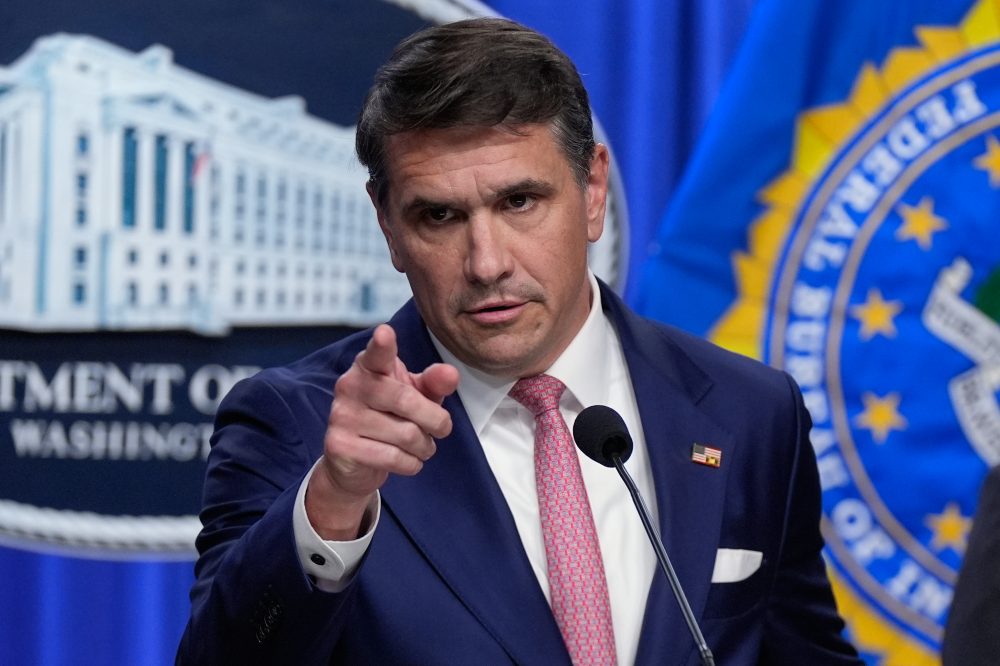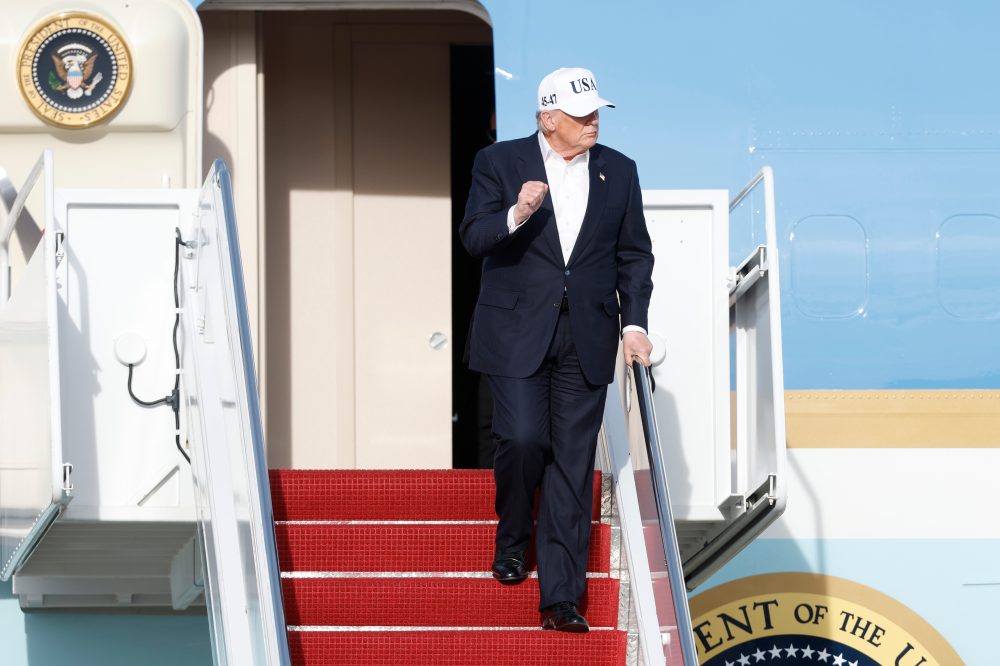

The president has a medical examination scheduled for Tuesday at Walter Reed National Military Medical Center, bringing fresh attention to ongoing questions about his age and physical condition.
At 79 years old, the president will undergo what the White House calls routine annual preventative medical and dental examinations. This marks his fourth publicly announced medical evaluation since beginning his second term, occurring as he seeks to demonstrate vigor before upcoming midterm elections that will gauge his influence with voters.
Presidential administrations have traditionally shared select findings from these medical checkups for decades, providing citizens with limited insight into their leader’s wellbeing. However, these reports go through White House review and require presidential approval, creating uncertainty about what information reaches the public.
The president will turn 80 next month, making him the oldest individual ever elected to the presidency. His predecessor, former President Joe Biden, was 82 upon leaving office after withdrawing from the 2024 race due to widespread age-related concerns.
A Washington Post/ABC News/Ipsos survey from April revealed that fewer than half of American adults believe the president possesses the mental acuity or physical fitness needed for effective leadership.
“I think concern for the president’s physical health is probably at an all-time high, and I think advanced physical age is the No. 1 concern,” said Dr. Jeffrey Kuhlman, who served as a White House physician for more than a decade under former presidents Barack Obama, George W. Bush and Bill Clinton.
According to Kuhlman, a comprehensive examination for someone of the president’s age would typically encompass advanced cardiac testing, cancer screenings, cognitive evaluation, plus standard measurements including height, weight and blood pressure.
While the White House hasn’t revealed specific details about the upcoming visit, officials expressed optimism about the anticipated results.
“President Trump is the sharpest and most accessible President in American history who is working nonstop to solve problems and deliver on his promises, and he remains in excellent health,” White House spokesperson Davis Ingle said in a statement.
Recently, the president has claimed to feel as energetic as he did fifty years ago, despite joking about his preference for fast food and limited exercise routine. However, he remains conscious of age perceptions, mentioning extra care when walking down Air Force One steps to prevent stumbling headlines.
No legal mandate exists requiring presidents to make their health information public, and transparency levels have differed across administrations. The president’s previous medical reports have drawn criticism for lacking detail and containing statistics that medical professionals questioned.
During public events, the president frequently uses makeup to hide hand bruising, which the White House explains results from handshaking and regular aspirin usage. He has occasionally appeared tired during meetings and closed his eyes for extended periods, though he disputes claims of falling asleep.
The president regularly claims to have “aced” cognitive evaluations while often criticizing Biden, who faced mental acuity questions. Some previous physicals included the Montreal Cognitive Assessment, designed to detect dementia and cognitive problems. His doctors reported perfect 30 out of 30 scores for the president in 2018 and 2025 examinations.
Nevertheless, critics point to the president’s rambling speeches and sometimes aggressive language as indicators of cognitive deterioration.
Last month, over 30 neurologists, psychiatrists and other medical professionals issued a statement declaring the president mentally unfit for office, warning of an “increasingly dangerous decline” in his conduct based on what they termed “objectively observable signs of serious medical concern.” They acknowledged never having examined him personally.
“Any so-called medical professionals engaging in armchair diagnosis or false speculation for political purposes are clearly breaking the Hippocratic Oath they’ve sworn to,” Ingle said.
Like any patient, presidents control what health information becomes public, explained Sara Rosenthal, a bioethicist at the University of Kentucky studying presidential health. Transparency concerns have intensified as America chooses older leaders like the current president and Biden, she noted.
“I think we can expect very little disclosure about the true health status of any president unless they’re in perfect health,” said Rosenthal, who has suggested an independent medical organization to review and report on the health of the president and those in the line of succession.
The president’s initial medical report of his second term appeared last April. In July, he received a diagnosis of chronic venous insufficiency, a typical condition among older adults causing blood to collect in veins. Photos have captured the president with swollen feet, ankles, and calves, which the White House describes as chronic venous insufficiency symptoms causing “mild swelling” in his lower legs.
After his most recent publicly announced examination in October, characterized as a routine follow-up, the president’s doctor released a single-page summary declaring him in “exceptional health” without revealing many concrete findings.
The regularity of the president’s medical appointments is typical for his age group, according to S. Jay Olshansky of the University of Illinois-Chicago, who researches past presidents’ health. This approach helps identify issues while they remain manageable, Olshansky explained.
Olshansky believes citizens deserve more than White House medical summaries that “may be subject to editorial discretion.” Complete, unedited medical records should be released publicly, he argued: “Nothing should be hidden.”
The White House hasn’t indicated whether the president’s appointment will involve procedures requiring anesthesia. His most recent colon examination occurred in 2024 with a recommended three-year follow-up interval.
Should the president receive anesthesia, Vice President JD Vance would temporarily assume office duties under the 25th Amendment. This last occurred in 2021 when Vice President Kamala Harris briefly took control while Biden underwent a colonoscopy. Former President George W. Bush previously transferred power twice to Vice President Dick Cheney.