
The U.S. President announced that China’s leader has endorsed requiring Iran to reopen the Strait of Hormuz during recent discussions in Beijing, though Chinese officials have not confirmed this stance.
During his return flight on Friday following two days of meetings with Chinese President Xi Jinping, the President indicated he was weighing whether to remove U.S. sanctions on Chinese companies purchasing Iranian oil. China represents Iran’s largest oil customer.
“I’m not asking for any favors because when you ask for favors, you have to do favors in return,” the President told a reporter aboard Air Force One when questioned about whether Xi had made a concrete pledge to pressure Iran regarding the strategic waterway.
While Xi remained silent about his Iran discussions with the President, China’s foreign ministry voiced displeasure with the Iran conflict, describing it as a war “which should never have happened, has no reason to continue.”
Iran has maintained its closure of the strait, which previously handled one-fifth of global oil and liquefied natural gas shipments before U.S. and Israeli military operations began on February 28. The shipping disruption has triggered the most severe oil supply emergency in recorded history, causing petroleum prices to surge dramatically.
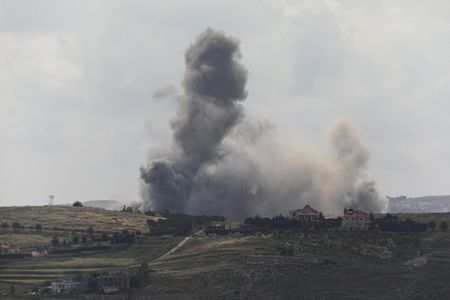
The February U.S. and Israeli airstrikes resulted in thousands of Iranian casualties, while thousands more have died in Lebanon during renewed hostilities between Israel and the Iran-supported organization Hezbollah.
Although the U.S. suspended its airstrikes last month, it initiated a port blockade. Tehran has declared it will not reopen the strait until the U.S. terminates its blockade. The President has warned of resumed military action if Iran refuses to negotiate an agreement.
“We don’t want them to have a nuclear weapon, we want the straits open,” the President stated while in Beijing with Xi.
Iran, which has consistently rejected accusations of nuclear weapons development, has declined to halt nuclear research or surrender its concealed enriched uranium reserves, causing frustration for the President.
Iranian Foreign Minister Abbas Araqchi reported that Tehran had received communications from the U.S. suggesting Washington’s willingness to pursue continued negotiations.
“We hope that, with the advancement of negotiations, we will reach a good conclusion so that the Strait of Hormuz can be completely secured and we can expedite the normalisation of traffic through the strait,” he informed reporters in New Delhi.
The President, who expressed diminishing patience with Iran during a Thursday interview on Fox News’ “Hannity” program, urged Tehran to “make a deal.”
Oil prices climbed approximately 3% to roughly $109 per barrel on Friday due to concerns about stalled conflict resolution efforts, while U.S. Treasury yields reached nearly year-high levels amid expectations that the Federal Reserve might increase interest rates.
Negotiations to end the war, which has become politically problematic for the President before November’s U.S. congressional elections, have stalled since last week when both Iran and the U.S. rejected each other’s latest proposals.
Iran would welcome Chinese involvement, Araqchi stated Friday, noting that Tehran was attempting to give diplomacy an opportunity but remained distrustful of the U.S., which has disrupted previous negotiation rounds by launching airstrikes.