
Oil markets are experiencing significant turbulence as a major shipping crisis unfolds in one of the world’s most critical energy corridors.
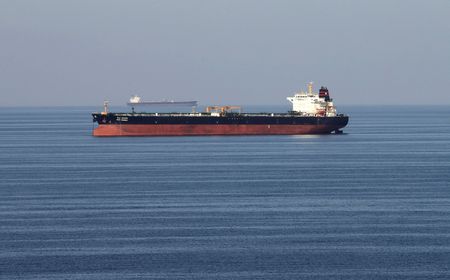
The Strait of Hormuz, which handles approximately 20% of global seaborne oil shipments along with substantial amounts of liquefied natural gas and fertilizer, has become a bottleneck as vessel operators hesitate to navigate the waterway. Tracking data reveals numerous oil tankers accumulating on both sides of the passage, reluctant to proceed through what has become an increasingly dangerous route.
Three tankers have already sustained damage in the Gulf region, prompting shipping companies to reconsider transit plans, particularly given the skyrocketing costs of war-risk insurance coverage. Charter fees for the largest oil tankers had already increased substantially before recent attacks, and current events are driving costs even higher.
Much of the affected oil supply typically flows toward Asian markets, with China serving as a primary destination for Iranian crude exports.
While the waterway remains technically open, the situation could persist for an extended period. President Trump indicated to the Daily Mail that military operations might continue for four weeks or until the United States achieves its “very strong objectives,” though he did not specify what those goals entail.
Reports suggest U.S. forces have conducted over 1,000 strikes throughout Iran, targeting not only air defense and intelligence facilities but also storage facilities and military installations. Questions remain about whether sufficient advanced weaponry exists to sustain operations for a full month.
The conflict escalated further when Israel conducted fresh airstrikes on Tehran Sunday, prompting Iran to respond with additional missile attacks. This exchange occurred following the death of Supreme Leader Ali Khamenei.
OPEC+ recently announced plans to increase crude production by 206,000 barrels daily starting in April, but this represents merely 0.2% of worldwide oil consumption, and most of that supply would still require shipping through potentially affected routes.
Market participants responded by driving Brent crude prices up nearly 6% to approximately $77 per barrel, after briefly reaching $82. Year-to-date gains now exceed 26%, with some market observers suggesting $100 per barrel as a potential target. Such sustained increases could reignite inflationary pressures while effectively taxing consumers and businesses worldwide.
Financial markets showed mixed reactions, with 10-year Treasury yields initially dropping to an 11-month low of 3.926% before recovering to 3.970%. Federal Reserve fund futures declined slightly through December, suggesting reduced expectations for aggressive interest rate cuts, with June action now considered a coin flip.
Currency markets remained relatively stable, with the dollar gaining modestly against the euro and yen while declining slightly versus the Swiss franc. The Norwegian krone, typically benefiting from oil price increases, saw limited Asian trading activity.
Asian stock markets opened lower, with airline and banking sectors experiencing the steepest declines. European and U.S. stock futures also dropped, though they recovered from early session lows.