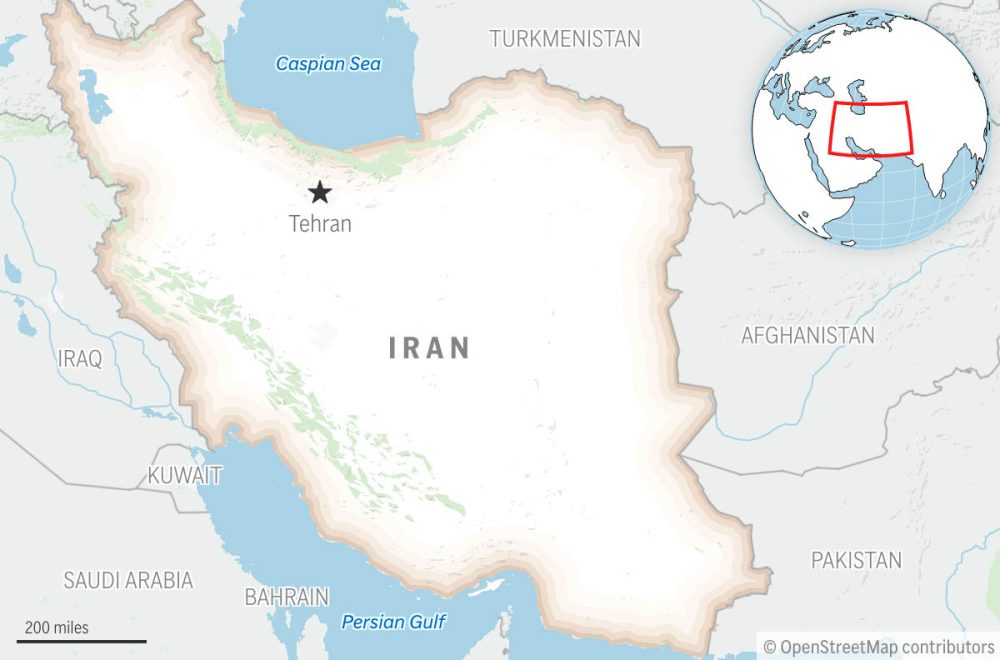

VIENNA (AP) — International nuclear monitors have been blocked from accessing Iranian nuclear sites impacted by ongoing warfare since June, according to a classified document from the U.N. nuclear oversight body that was distributed to member nations and obtained Thursday by The Associated Press.
The International Atomic Energy Agency stated it “cannot provide any information on the current size, composition or whereabouts of the stockpile of enriched uranium in Iran or whether Iran has suspended all enrichment-related activities.”
The IAEA cautioned that it was “unable to discharge its safeguards responsibilities” required under the Safeguards Agreement of the Nuclear Non-Proliferation Treaty, emphasizing that Tehran’s compliance with Treaty obligations is “indispensable and urgent.”
Since February’s previous report, IAEA inspectors have only been able to examine one Iranian nuclear site — the Bushehr nuclear power plant, which they visited June 1-3. The facility’s operational reactor utilizes Russian-supplied uranium enriched to 4.5%, the minimal concentration required for electricity production at such installations.
This classified assessment emerges amid escalating Middle East tensions.
Iranian drones severely struck a passenger terminal at Kuwait’s primary airport Wednesday, resulting in one death and injuring dozens while temporarily shuttering the facility — marking another episode in the ongoing exchange of strikes between Iran and the U.S. that challenges a tenuous ceasefire.
The IAEA reports Iran possesses 440.9 kilograms (972 pounds) of uranium enriched to 60% purity — requiring only minor technical advancement to reach weapons-grade concentrations of 90%.
This stockpile could enable Iran to construct up to 10 nuclear weapons if it chose to militarize its program, IAEA director general Rafael Grossi cautioned in a recent AP interview. He emphasized this doesn’t indicate Iran currently possesses such weapons.
Nuclear material enriched to such high levels typically requires monthly verification under IAEA protocols.
The assessment noted Grossi’s continued “full support to the negotiations underway aimed at finding a mutually acceptable solution to issues related to Iran’s nuclear programme, and his readiness … to support an eventual agreement.”
Diplomatic discussions have continued for weeks as intermediaries pursue a more lasting ceasefire in the conflict, now entering its fourth month. These efforts face increasing pressure from Israel’s expanding confrontation with Iran-supported Hezbollah forces in Lebanon.
Iran continues controlling the Strait of Hormuz — a vital passage for global oil and natural gas shipments plus related commodities like fertilizer — while the U.S. maintains its embargo of Iranian ports. International energy costs stay elevated, with conflict impacts extending far beyond the immediate region.