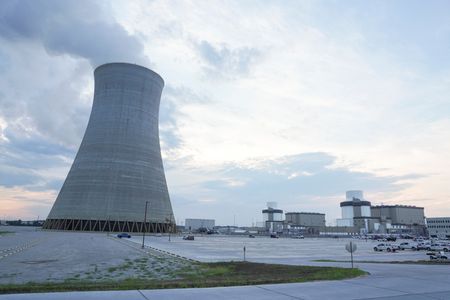

Federal nuclear regulators have decided to eliminate government-controlled security testing at nuclear power facilities across the country, sparking concerns from safety experts about weakened oversight during a period of increased infrastructure threats.
The Nuclear Regulatory Commission announced on Friday that it will discontinue its “force-on-force” inspection programs, which involved simulated commando-style raids designed to test vulnerabilities at nuclear facilities under direct agency supervision.
These government-controlled security assessments have been conducted since 1991, with Congress expanding the requirements following the September 11 terrorist attacks to mandate testing at all nuclear facilities every three years.
The decision comes as President Donald Trump’s administration pressures the NRC to rapidly approve permits for expanding U.S. nuclear capacity to 400 gigawatts by 2050, a four-fold increase aimed at meeting growing electricity demands from artificial intelligence, data centers, electric vehicles, and cryptocurrency operations.
Edwin Lyman, a nuclear physicist with the Union of Concerned Scientists, expressed alarm about the timing of this policy change given current security concerns, including threats related to ongoing conflicts involving Iran.
Lyman criticized the new approach, describing it as a “dog-and-pony show, akin to a professional wrestling match, in which the NRC will only be allowed to passively observe exercises staged entirely by the plant managers and personnel.”
Nuclear regulators defended their decision, stating that the policy update “reflects the strong safety and security already in place at U.S. nuclear plants.” The commission indicated that agency-controlled drills will continue until 2028, after which facilities will manage their own exercises under independent regulatory observation.
According to Lyman, these modifications make it doubtful that the program will meet congressional requirements designed to prevent conflicts of interest in security assessments.
The NRC countered that switching from a pass/fail evaluation system to a training-centered model means “potential conflict of interest concerns are significantly reduced.”