
THE HAGUE, Netherlands — Backers of the International Criminal Court spent Saturday trying to figure out a path forward, one day after the global body was thrust into unprecedented territory when its chief prosecutor was voted out of office over sexual misconduct allegations.
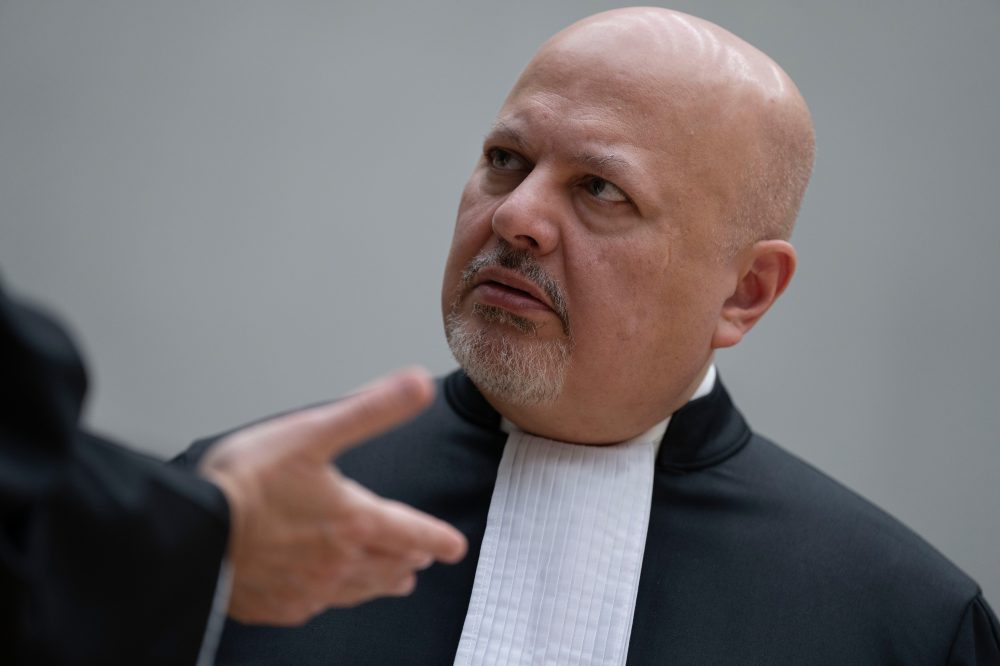
What had been a long and contentious process came to a swift and decisive conclusion on Friday, when a strong majority of the court’s 125 member nations cast votes to remove Karim Khan from his position.
The British barrister faced accusations of sexual misconduct involving a female staff member, allegations first detailed by the Associated Press in a series of reports. Khan has consistently denied the claims. Documents reviewed by the AP indicate Khan engaged in a sexual relationship with the woman and took steps to discourage her from pursuing the matter.
Khan’s removal arrives at a particularly difficult moment for the court, which is already contending with a push by the United States to “dismantle” the ICC — an institution created to hold accountable those responsible for the world’s most serious crimes.
On the sidelines of Friday’s session, several nations with active ICC investigations held informal meetings to explore ways to address any complications resulting from Khan’s departure, according to three senior diplomatic officials familiar with the talks. The officials spoke with the AP on condition of anonymity because they were not authorized to speak publicly.
One of those officials noted that some countries had already begun planning for life after Khan before the final votes were even counted. “Whether Khan is removed or not, we must bring everyone back together,” the official said.
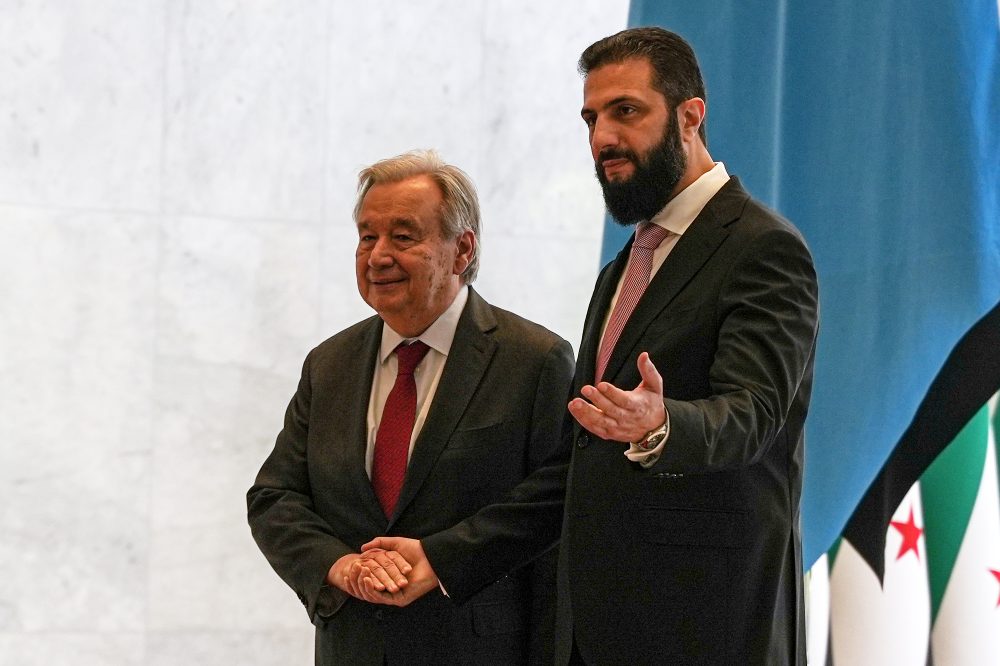
The special session, held at United Nations headquarters in New York, had been expected to run all day Friday. Instead, an early motion that would have raised the bar for removing Khan failed, and diplomats moved quickly to a removal vote — finishing several hours ahead of the original schedule, according to three diplomats familiar with the proceedings.
Iva Vukusic, a researcher at Utrecht University who has closely followed the situation, said the outcome caught her off guard. “The numbers indicate that there is more agreement than previously thought,” she told the AP.
The court’s troubles don’t end there. U.S. Secretary of State Marco Rubio announced last week that Washington was launching a “sweeping campaign to dismantle the threat posed by the International Criminal Court to U.S. sovereignty.”
Just hours after Friday’s vote, Venezuela declared it would exit the court, with the country’s foreign affairs minister, Félix Plasencia, stating in a formal announcement that the ICC’s work reflects a “demonstrated geographical bias.”
The Trump administration had already imposed sanctions on Khan and roughly a dozen other ICC staff members in response to the court’s investigations into Israeli officials related to the conflict in Gaza and U.S. military personnel in Afghanistan.
The misconduct allegations became tangled up with the court’s Gaza investigation, with some of Khan’s supporters arguing that arrest warrants the ICC issued for senior Israeli officials — including Prime Minister Benjamin Netanyahu — could be jeopardized by his removal.
Palestinian representatives pushed back on that framing. “The vote by the Assembly of States Parties to remove the Prosecutor was not a political proxy vote on any Situation before the ICC,” said Palestinian Ambassador to the Netherlands Ammar Hijazi in a written statement.
Importantly, Khan’s removal does not affect the existing arrest warrants, which can only be revoked by ICC judges.
Khan had stepped down from his duties in May 2025, with his two deputy prosecutors taking charge of the office since then. Following Friday’s vote, the prosecutor’s office issued a statement saying the two deputies would continue overseeing “leadership, management and administration” until a new chief prosecutor is selected.
It remains unclear when member states will begin the process of choosing Khan’s successor. His own election back in 2021 took nearly 18 months and drew criticism from civil society organizations over what they described as insufficient background checks on candidates to verify they met the standard of “high moral character.”
Friday’s vote may not be the final chapter for Khan himself. His attorney, Tayab Ali, said in a statement that Khan plans to “challenge the lawfulness and fairness of the decision through all available legal mechanisms.” While there is no formal appeals process for his removal, all ICC staff members have the right to bring complaints before a specialized labor tribunal based in Geneva.
Khan’s legal team also criticized the procedures that led to his ouster, alleging he was prevented from speaking at Friday’s session and arguing that the rules had been rewritten in ways that put him at a disadvantage.
When court staff return to ICC headquarters in The Hague on Monday, they will do so with at least some sense of what lies ahead. “I hope now the court can move on and focus on its core work of dealing with cases,” Vukusic said.