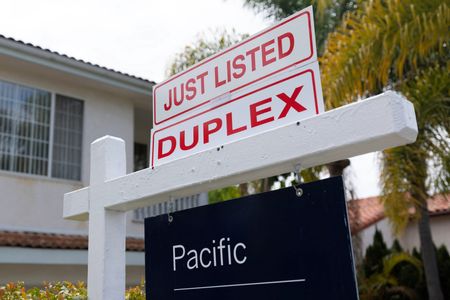

Sales of new single-family homes across the United States took an unexpected dip in May, falling for the second month in a row as rising mortgage rates and steep prices continue to shut out would-be buyers, dimming hopes for a housing rebound in 2025.
The Commerce Department released the data Wednesday, highlighting the steep obstacles facing Americans trying to purchase a home. Economists and real estate professionals point to persistently elevated mortgage rates — which have climbed following the U.S.-led conflict with Iran — as a key reason buyers are being priced out of the market.
On Tuesday, Congress passed a bipartisan housing affordability bill aimed at addressing some of those pressures. The legislation would, among other things, limit Wall Street investment firms from buying single-family homes and streamline environmental reviews for new construction. However, housing experts say the bill alone won’t solve the problem.
“There was not a lot in there to help traditional single-family home buyers. There are not enough homes on the market and those that are listed are at mostly unaffordable levels,” said Christopher Rupkey, chief economist at FWDBONDS.
Rupkey added: “The housing price bubble is still inflating, a slower rate of advance than it had been, but home prices overall are still moving higher except for some regional markets that had seen prices run-up too high.”
Despite its bipartisan support, the bill hit a roadblock Wednesday when President Donald Trump canceled plans to sign it, using the delay as leverage to push fellow Republicans to approve voting restriction measures he supports.
According to the Commerce Department’s Census Bureau, new home sales fell 7.3% last month to a seasonally adjusted annual rate of 580,000 units — the lowest figure recorded since January. Sales in the West plunged to a seven-month low, while the South also saw a decline. The Northeast and Midwest were the only regions to post gains.
New home sales, which are tallied when a purchase contract is signed, represent a relatively small slice of overall U.S. home sales. Compared to May of last year, sales were down 6.8%. The nearly four-month conflict has pushed oil prices higher, fueling inflation and lifting Treasury yields, which in turn drive mortgage rates upward.
Data from mortgage finance agency Freddie Mac showed the 30-year fixed mortgage rate has risen roughly 50 basis points since the conflict began at the end of February, averaging 6.47% last week.
A report released Tuesday by the Bank of America Institute found that consumer sentiment around homeownership improved this year for the first time since 2023 — but affordability remains the biggest obstacle. About 47% of consumers said high interest rates were a key reason they were putting off buying a home, up from 40% in 2025. Meanwhile, 58% cited high home prices as a factor in delaying a purchase, compared to 46% the previous year.
Roughly 71% of consumers said they are waiting for both prices and interest rates to come down before making a move. The affordability crisis is shaping up to be a significant issue for voters heading into November’s midterm elections.
“This is progress but it is no silver bullet,” said Shamus Roller, chief executive officer at the National Housing Law Project. “We call on Congress to go further in addressing the housing crisis for poor and working people by making significant financial investments to build new housing, including new public housing.”
The median price of a new home was essentially flat at $424,900 compared to a year ago, though the average price climbed 5.0%, according to the Census Bureau. The bulk of homes sold last month were priced between $300,000 and $499,999. Builders have been slashing prices and offering incentives in an effort to attract buyers.
As sales slowed, the inventory of new homes grew to 496,000 units in May — the highest level since July 2025 — up from 485,000 units in April. Despite that increase in supply, the country still faces a significant housing shortage, particularly when it comes to starter homes. The National Association of Home Builders estimates the national shortfall at around 1.2 million homes.
At May’s current sales pace, it would take 10.3 months to work through the available supply of new homes on the market — the longest such timeline since 2009 and up from 9.3 months in April. Residential investment, which encompasses homebuilding, has now contracted for five straight quarters.
“Unfortunately, builders may have jumped the gun in assuming that their inventory problems were over, no doubt penciling in a better spring selling season than what has transpired,” said Stephen Stanley, chief U.S. economist at Santander U.S. Capital Markets. “We could see a leveling off before the end of the year, but with demand for new homes tepid … it is beginning to look like we may have to wait for 2027 to get to a long-awaited improvement in the housing market.”