
TEL AVIV, Israel — Humanitarian organizations are sounding the alarm that ongoing Middle East warfare is severely hampering their capacity to deliver essential food and medical supplies to millions of vulnerable people worldwide, warning that continued violence will worsen the crisis.
The conflict has not only blocked crucial shipping lanes and triggered a worldwide energy crisis, but has also thrown supply chains into chaos for relief organizations, compelling them to rely on more expensive and lengthy alternative routes.
Critical waterways like the Strait of Hormuz have been essentially closed off, while shipping routes from major logistical centers including Dubai, Doha and Abu Dhabi have also suffered disruptions. Transportation expenses have skyrocketed due to increased fuel prices and insurance premiums, resulting in fewer supplies being delivered for the same budget.
The World Food Program reports tens of thousands of metric tons of food supplies experiencing significant transit delays. The International Rescue Committee has pharmaceuticals worth $130,000 destined for conflict-ravaged Sudan sitting stranded in Dubai, while nearly 670 containers of therapeutic nutrition for severely undernourished children in Somalia remain stuck in India. The U.N. Population Fund indicates delays in shipping equipment to 16 nations.
Dramatic U.S. reductions in foreign aid funding had already weakened numerous relief organizations, who report the conflict is making matters worse.
United Nations officials describe this as the most severe supply chain breakdown since the COVID pandemic, with shipping costs rising up to 20% and significant delays as cargo gets redirected. The warfare is also generating fresh humanitarian crises, including in Iran and Lebanon where at least one million people have been forced from their homes.
“The war on Iran and disruption to the Strait of Hormuz risk pushing humanitarian operations beyond their limits,” stated Madiha Raza, associate director for public affairs and communications for Africa for the International Rescue Committee.
She noted that even after hostilities end, the damage to worldwide supply networks could continue delaying life-saving assistance for months.
The conflict has compelled organizations to develop alternative transportation methods, with some avoiding the Strait of Hormuz and Suez Canal entirely and sending ships around Africa, extending delivery times by weeks.
Other groups are employing combined approaches using land, sea and air transport, which increases expenses.
Jean-Cedric Meeus, chief of global transport and logistics for UNICEF, explained his organization is utilizing mixed land and air routes to deliver vaccines to Nigeria and Iran to meet vaccination campaign deadlines, though costs have surged.
Prior to the war, UNICEF shipped vaccines to Iran via direct flights from suppliers worldwide. Currently, vaccines are flown to Turkey and transported overland into Iran, increasing costs by 20% and adding 10 days to delivery schedules, he explained.
Save the Children International, which previously shipped supplies via ocean freight from Dubai to Port Sudan, must now truck materials from Dubai through Saudi Arabia and transport them by barge across the Red Sea. This route extends delivery by 10 days and raises costs approximately 25%, while over 19 million Sudanese face severe food shortages. The delays threaten more than 90 primary healthcare facilities across Sudan with running out of vital medicines.
Price increases also force organizations to make difficult priority decisions.
“In the end, you sacrifice either the number of children that you serve … or you sacrifice the number of items that you can afford to buy,” explained Janti Soeripto, president of Save the Children for the United States. The organization maintains stockpiles in countries where it operates, but some could be depleted within weeks.
Increased costs are also affecting people’s ability to access help within their own countries.
Doctors Without Borders reported that rising fuel costs across Somalia — where approximately 6.5 million people face acute food insecurity — have increased transportation and food expenses, making healthcare access more difficult. In Nigeria, the IRC reports fuel prices have jumped 50% and medical facilities are struggling to power equipment like generators, while mobile health teams have reduced operations.
Global hunger represents one of the most serious concerns regarding the war’s impact.
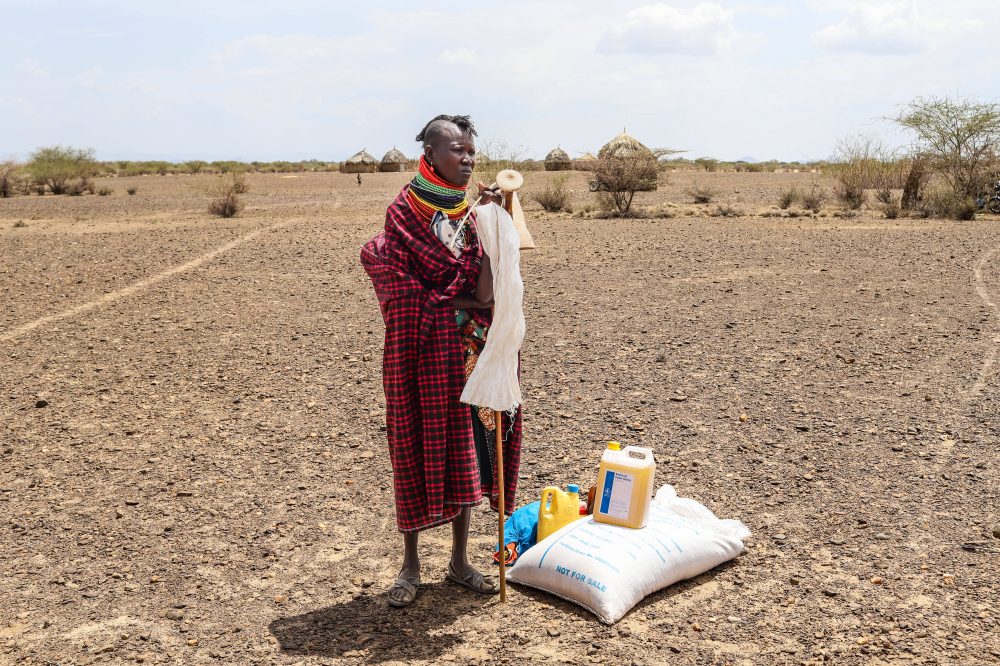
WFP cautions that if fighting continues through June, an additional 45 million people will face acute hunger, adding to nearly 320 million people experiencing food insecurity globally.
Approximately 30% of the world’s fertilizer passes through the Strait of Hormuz, and with planting seasons approaching in regions like East Africa and South Asia, small farmers in developing nations will face severe hardships. Sudan imports over half its fertilizer from the Gulf region while Kenya receives roughly 40% from there, according to aid organizations.
The U.N. secretary-general has created a task force to facilitate fertilizer trade — based on the Black Sea Grain Initiative model. However, aid groups argue this won’t suffice. Without a ceasefire, governments must provide additional funding for organizations to address rising expenses, they maintain.
Humanitarian specialists note a slower international funding response during this conflict compared to previous wars like Ukraine, possibly reflecting increased pressure to prioritize security investments over aid during global instability.
“They’re making hard choices between defense security and humanitarian aid,” said Sam Vigersky, an international affairs fellow at the Council on Foreign Relations who has analyzed the war’s impact on aid.
He noted that while the U.S. typically includes aid provisions when engaging in warfare, it hasn’t been “activating” those provisions. “It’s not a capacity issue, it’s a policy decision,” he stated.
Tommy Pigott, principal deputy spokesperson for the U.S. State Department, emphasized that the U.S. has been the “most generous country in the world” regarding humanitarian assistance.
The department announced it’s providing an additional $50 million in emergency aid to Lebanon, including support for the World Food Program, and is collaborating closely with the United Nations and other organizations to address humanitarian requirements.