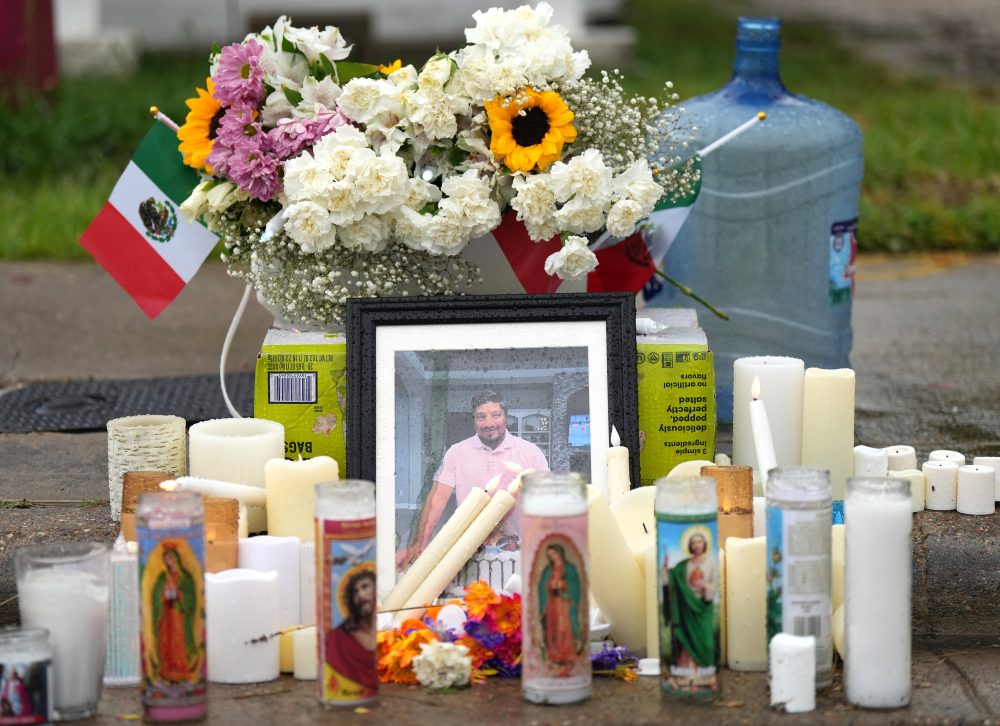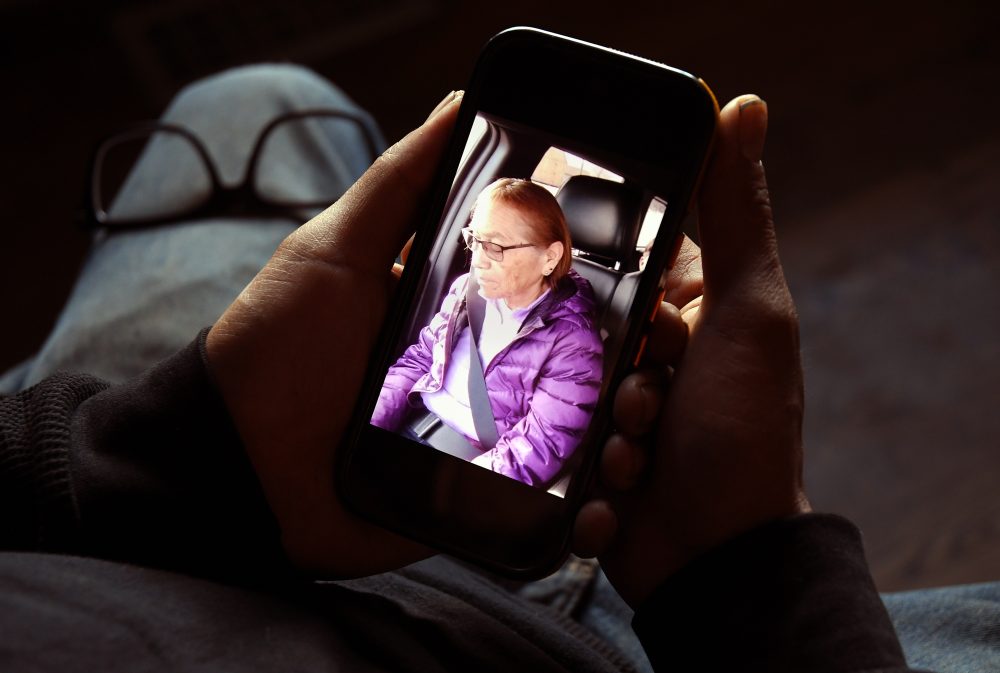

A federal judge in Phoenix is set to sentence the sole individual charged in connection with the 2021 vanishing of Navajo elder Ella Mae Begay, whose disappearance highlighted the ongoing crisis of violence targeting Native American communities.
Preston Henry Tolth, age 26, could receive up to five years in federal prison under terms of his plea deal, though he would get credit for three years already served behind bars. Tolth admitted guilt to robbing Begay and taking her pickup truck.
Should U.S. District Judge Douglas Rayes approve the plea arrangement during Friday’s proceedings, it would bring an end to the government’s lengthy prosecution of Tolth, a case hampered by limited physical evidence and the exclusion of Tolth’s confession.
Begay’s relatives plan to ask Judge Rayes to refuse the agreement at Friday’s sentencing hearing, emphasizing their position that Tolth should remain incarcerated until he reveals Begay’s location to authorities.
The 62-year-old grandmother, known for her skill in creating traditional Navajo pictorial rugs, disappeared from her residence in Sweetwater, Arizona, located on the Navajo Nation, during June 2021. The timing of Tolth’s sentencing coincides with Missing and Murdered Indigenous Peoples awareness week, which draws attention to the disproportionate rates of violence affecting Native communities.
Since Begay’s disappearance, her loved ones have coordinated search efforts, demanded accountability from law enforcement agencies, and even undertook a cross-country walk to maintain public focus on her case. Civil rights advocates have drawn parallels between Begay’s situation and that of Gabby Petito, a young white woman whose vanishing that same summer generated widespread media coverage, social media engagement, and law enforcement resources that eventually led to finding her body in Wyoming.
Law enforcement officers from the Navajo Nation police and FBI pinpointed Tolth as a person of interest just days after Begay went missing. Tolth, whose father had been in a relationship with Begay’s sister, first claimed he had no connection to her disappearance. During a subsequent questioning session, an FBI agent deceived Tolth by claiming officers had recovered Begay’s vehicle and were analyzing evidence that would connect him to the crime. Following this deception, Tolth gave up his right to stay silent and admitted to taking Begay’s truck, assaulting her, and abandoning her injured on a roadside.
While U.S. law enforcement agencies are generally permitted to use deceptive tactics during questioning, Judge Rayes determined that the FBI agent did not properly respect Tolth’s initial decision to remain quiet, leading to the confession being excluded from evidence. An appeals court panel supported this decision.
Federal prosecutors admitted in legal filings that losing the confession severely damaged their case against Tolth, leading them to pursue a plea deal instead of proceeding to trial.
In an uncommon decision, Judge Rayes previously rejected an earlier plea arrangement that would have resulted in Tolth serving only his time already spent in custody, calling the punishment too mild. Begay’s family members had provided emotional testimony and expressed their preference for the case to go to trial.
“Accountability is not time served,” Begay’s niece Seraphine Warren said through tears during an April court session. “It’s about truth, and we still don’t have the truth.”
Michael Henderson, who serves as public safety director for the Navajo Nation, stated that locating Begay remains a top priority for tribal police.
“One of the hindrances is that the federal investigation is still pending,” Henderson explained.
Henderson noted that once the federal case concludes, Navajo Nation police may obtain access to information that could assist in their ongoing search efforts.