
A catastrophic breakdown of Cuba’s electrical infrastructure occurred Thursday morning, leaving the island’s eastern regions without power as the capital continues to endure extended blackouts, government officials reported.
The Caribbean nation’s deteriorating electrical system has steadily declined over recent years during an extended financial crisis, worsened by a U.S. energy blockade affecting the island where 10 million residents face daily hardships.
Officials from the state-run Electric Union reported that the system failure had cut electricity to all eastern regions spanning from Guantánamo to Ciego de Ávila, with repair teams working to restore service, though no timeline was provided for restoration.
One day earlier, Cuban President Miguel Díaz-Canel had characterized the power situation as “tense” following the depletion of oil supplies that arrived via Russian tanker in late March. The island nation generates only about 40% of the fuel required to operate its economy.
Moscow has announced intentions to dispatch another fuel vessel to Cuba in early April. Russian media outlets report the oil tanker departed from the Russian Baltic port of Vysotsk in January but has remained stationary in Atlantic waters for several weeks.
Electrical outages in Havana, where officials have implemented power rationing, extended to 24 straight hours on Thursday.
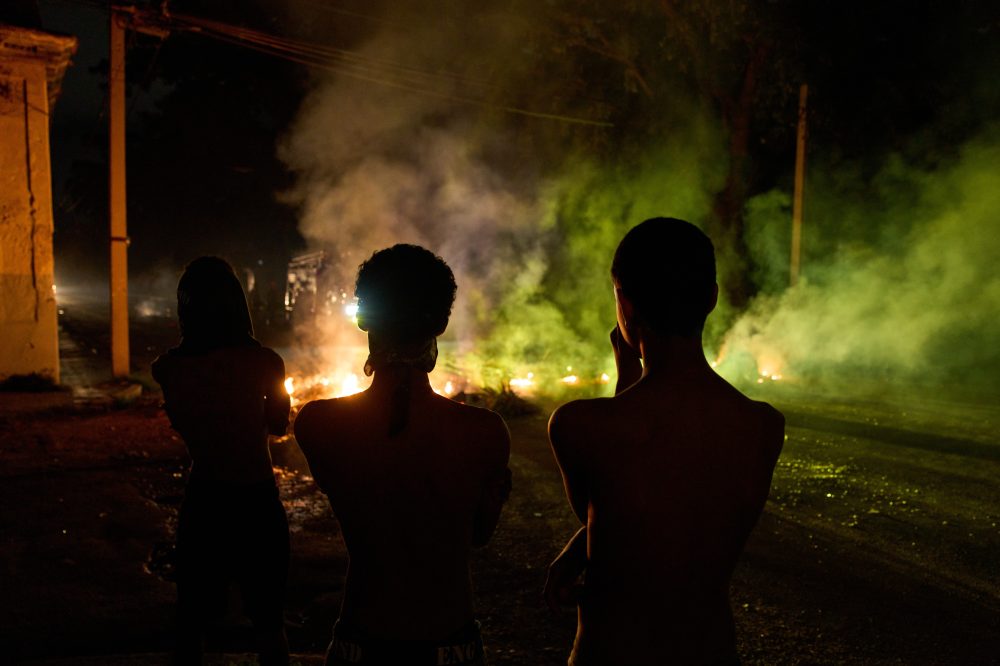
Wednesday night, Associated Press reporters witnessed citizens across multiple neighborhoods protesting the blackouts by banging cookware and igniting garbage containers. Subsequently, Energy and Mines Minister Vicente de la O Levy appeared on Cuban television to classify the power situation as “critical.”
While Cuba’s electrical infrastructure is deteriorating, officials have also attributed the outages to U.S. sanctions following President Donald Trump’s January warning of tariffs against nations selling or supplying oil to Cuba. The Trump administration has insisted that Cuba free political prisoners and pursue political and economic reforms in exchange for sanctions relief.
The power failures have resulted in shortened work schedules and food spoilage as refrigeration units fail. Medical facilities have postponed surgical procedures in some instances.