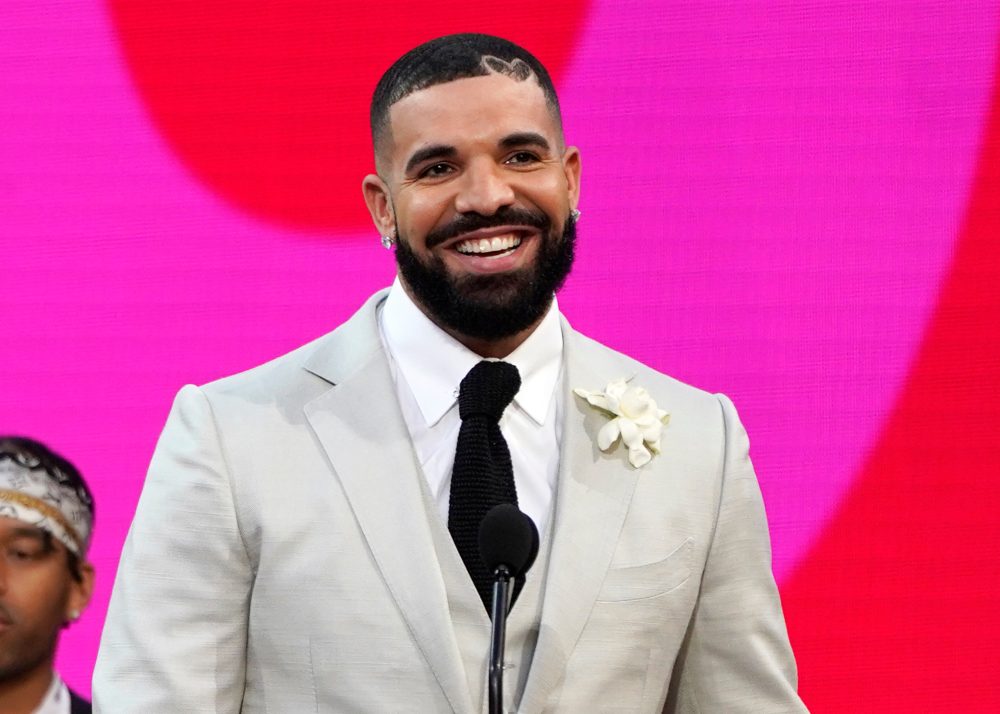

NEW YORK (AP) — The Canadian rapper has made his comeback as the “Iceman,” and everything is on the line.
His latest studio effort — the ninth of his career and first release following his widely publicized defeat in a heated rivalry with Kendrick Lamar — drops this Friday.
The confrontation between these two hip-hop giants ignited during spring 2024, featuring an exchange of harsh tracks that reached its peak when Lamar dropped “Not Like Us.” This direct assault on Drake led to Drake filing a defamation case against their mutual record company, which was thrown out. While Drake’s challenge to that dismissal remains active, hip-hop communities universally recognize Lamar as the winner.
The Toronto-based artist finds himself at a critical juncture. Despite maintaining his position among the world’s top-selling musicians and running successful ventures across music, clothing, athletics, internet betting and other sectors, he hasn’t produced a major hit recently.
Within hip-hop culture, where standing determines influence, what’s his current position?
“The Kendrick battle absolutely dethroned Drake. Up until then, he was considered the leader of the pack, insofar as sales and hit records,” says Sowmya Krishnamurthy, author of “The Blueprint: Inside the Business of Roc-A-Fella Records.”
“He also just hasn’t been able to recover with a hit record. I often like to say all is forgiven with a hit,” she said.
Following the conflict’s start, Drake managed only limited achievements: “Nokia” and “What Did I Miss?” both reached second place on the Billboard Hot 100.
Peter A. Berry, a music journalist with work in XXL and Complex, takes it a step further: “People have beefed in rap before and people have lost public rap battles. But the loss that Drake took to Kendrick Lamar on a national and global stage is probably the biggest loss any rapper has ever taken in a big rap conflict.”
He references “Not Like Us” claiming record and song of the year honors at the 2025 Grammys, marking the first time a rap diss track achieved this recognition. The celebration concluded when Lamar delivered the number-one track during his Super Bowl halftime show performance.
Drake didn’t just lose the confrontation — he was defeated using his own tactics: “Not Like Us” became a rap track so infectious it nearly crossed into pop territory, powered by memorable lyrics — exactly what Drake has built his reputation on. (See: “Kiki, Do you love me?” from 2018’s “In My Feelings,” or even “YOLO” from 2011’s “The Motto.”)
Despite this setback, he maintains his status among this century’s biggest artists. Recently, Spotify ranked him as their third-highest streamed performer ever worldwide, trailing only Taylor Swift and Bad Bunny.
“He remains this kind of immutable pop culture force,” says Berry, despite lacking a sustained, multi-week number-one success since 2018’s “Nice for What,” “God’s Plan” and “In My Feelings.”
“Drake’s music hasn’t evolved,” Krishnamurthy adds. This creative stagnation, combined with fragmented, algorithm-driven listening patterns, has diminished Drake’s recent achievements compared to previous years.
His 2021 release, “Certified Loverboy,” is widely viewed as a turning point when his consistent hits and critical acclaim began declining.
“It just feels very sort of scattered and disorganized. It’s almost like he’s throwing things at the wall and hoping for something to stick,” says Krishnamurthy, analyzing Drake’s lack of huge singles.
This makes “Iceman” feel so crucial. “Let’s say it doesn’t perform to certain standards. It will get harder and harder to see him as a viable artist,” she said.
Drake’s promotional campaign appears to acknowledge this pressure-filled moment.
“Iceman” isn’t a surprise drop. He’s been building anticipation for weeks through livestreams and themed YouTube content. He transformed his preferred courtside spots at Toronto’s Scotiabank Arena with ice and converted a downtown Toronto parking area into an enormous frozen block display. Supporters used blowtorches, sledgehammers and pickaxes to uncover the album’s launch date.
“Drake has been a genius-level marketer,” says Matthew Ismael Ruiz, a culture critic. “He’s masterful at commanding attention. The ice block was smart because it forced people to talk about it. It was a physical impediment to anyone in that community — and that instantly goes viral.”
“Of all the things he’s done in the last few years, this ‘Iceman’ album rollout has been unambiguously great,” says Berry. “It’s reminding people that he can be kind of unpredictable.”
However, creative promotion has limitations. Ultimately, Drake needs a blockbuster hit. “We’re about to go into the summer. If he can come out with a song of the summer, I think that would be really great for him,” says Krishnamurthy.
From a reputation standpoint, Ruiz thinks the guest appearances on “Iceman” will be significant — and keeping the song list secret might be meaningful. “The features will be the best indication of his pull in the industry,” he says — solid evidence of who backs him following the Lamar conflict.
This might be his return album, Krishnamurthy suggests — and not solely regarding streaming numbers. “Reputation, culture, these are things that cannot be quantified,” she says. “Maybe he does spectacular commercially and that is great, but that doesn’t mean that the music is good or has any lasting impact.”
Ultimately, “Drake is very concerned with his own mythology,” says Berry.
Even if “Iceman” reaches number one, if it doesn’t maintain that position, if it fails to restore Drake’s standing with hip-hop audiences, if it doesn’t receive critical praise — it could still be viewed as a failure.