
CHARLOTTESVILLE — A relaxing afternoon of yard work could turn into a disaster if the right safety steps aren’t taken, according to Virginia forestry officials.
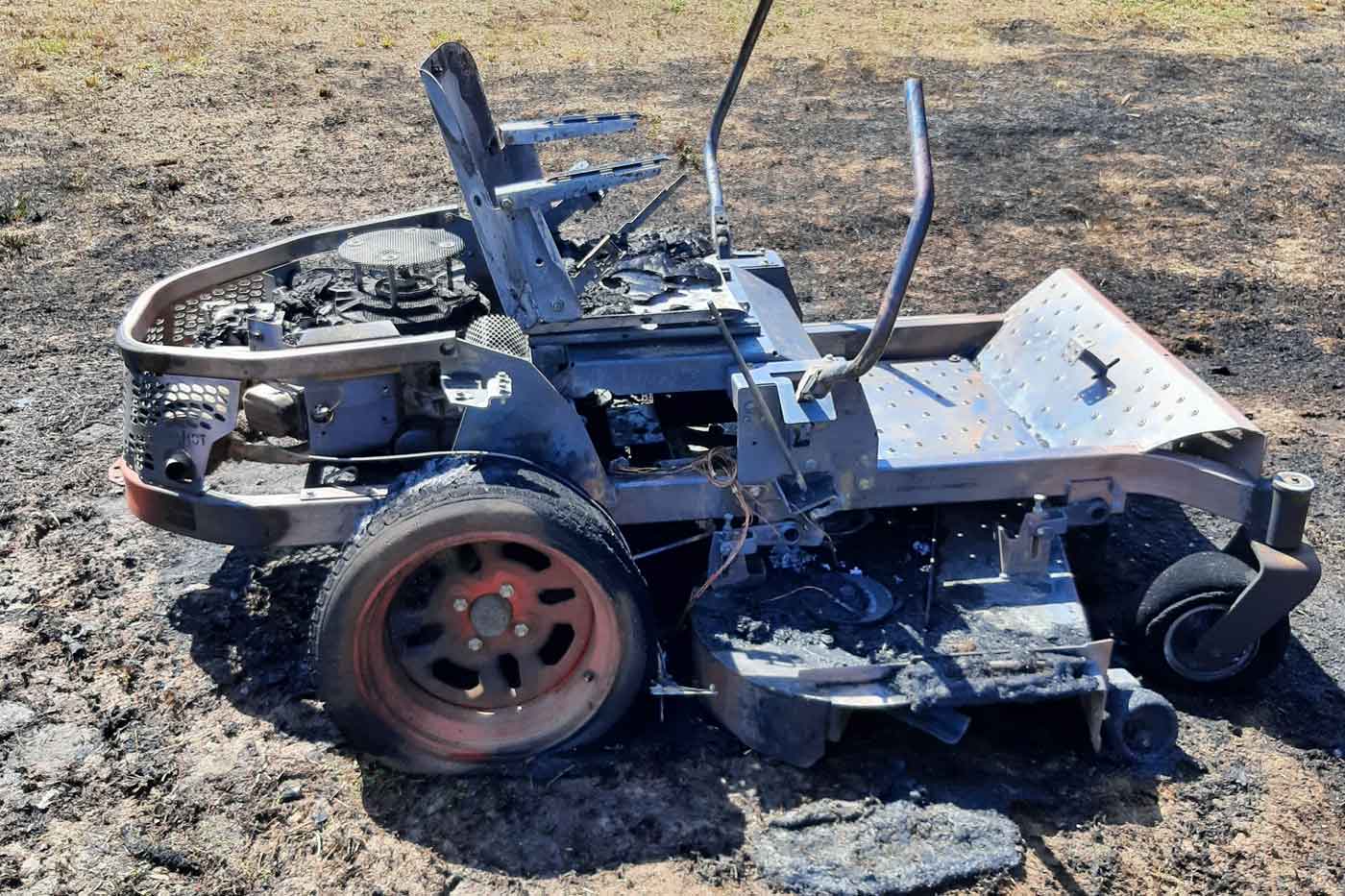
Equipment commonly found in garages and sheds — including lawn mowers, tractors, and brush cutters — has the potential to ignite wildfires during the hot, dry summer season.
Michael Downey, assistant director of fire and emergency response for the Virginia Department of Forestry, warned that weather conditions can quickly make outdoor work hazardous. “Rising temperatures, low relative humidity and gusty winds can all play a factor in what the fire service calls ‘red flag warnings,’” he said.
The Virginia Department of Forestry responded to 356 wildfires that scorched 4,920 acres between February 15 and April 30. In May alone, crews battled 57 additional wildfires that burned through more than 200 acres.
Wildfires pose a serious threat not only to forests and wildlife habitats, but also to the people who live near or spend time in wooded areas.
Lawn mowers can trigger fires in several ways — dry yard debris can catch fire on hot engine surfaces, leaking fuel can reach the exhaust, and faulty wiring or mechanical sparks can ignite fuel vapor. One of the most frequent causes is when mower blades strike a rock and produce sparks, or when equipment lacks proper spark arrestors.
Downey described spark arrestors as “safety devices designed to trap or cool hot exhaust particles expelled by internal combustion engines.” He stressed that keeping equipment properly maintained is one of the most effective ways to lower fire risk.
The Virginia Department of Forestry recommends the following steps before you start mowing:
- Mow before 10 a.m. when humidity levels are higher and temperatures are still cool.
- Avoid cutting grass when it’s dry or when winds are blowing.
- Regularly maintain your mower to prevent overheating, and inspect it before each use.
- Clear rocks, sticks, and other debris from the area before mowing.
Downey offered a sobering reminder about the stakes involved. “Up to 90% of wildfires in Virginia are human-caused and primarily from debris burning,” he said. “If precautions are not taken, life and property are at risk.”
He also encouraged residents to consider skipping the mow altogether and letting their lawns grow into pollinator-friendly habitats.
Virginia Farm Bureau Mutual Insurance Co. noted that its homeowner and farmowner policies include coverage for fire damage caused by lawn mowers on covered properties.
For additional wildfire prevention information, visit dof.virginia.gov.