
JERUSALEM (AP) — Demonstrators filled streets throughout Palestinian territories on Tuesday following Israel’s parliamentary approval of legislation mandating capital punishment by hanging for Palestinians found guilty of killing Israelis.
Palestinian demonstrators of all ages organized sit-ins and protest marches in the Israeli-controlled West Bank, where the new legislation will have its broadest impact. The law requires West Bank military tribunals — which exclusively prosecute Palestinians — to impose death sentences as the standard punishment for murder convictions, unless extraordinary circumstances warrant otherwise.
Protest signs in the West Bank city of Nablus displayed images of a prisoner in traditional Palestinian keffiyeh headwear beside a hangman’s noose, bearing messages that read “Time is running out and silence is deadly” and “Stop the law to execute prisoners, before it’s too late.”
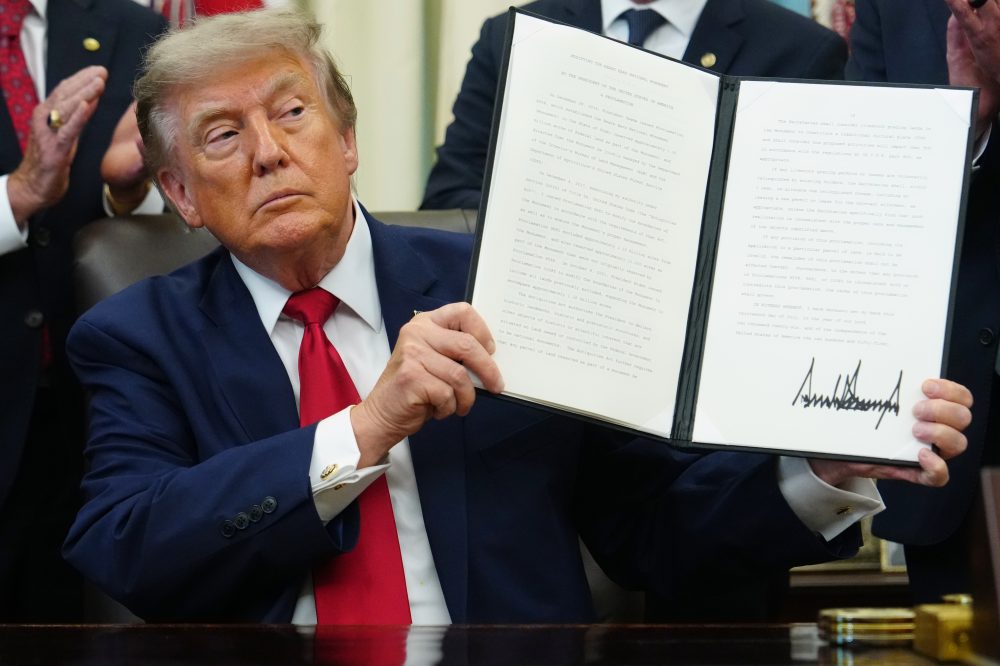
Israeli lawmakers gave final approval to the legislation Monday evening amid celebration and applause. National Security Minister Itamar Ben-Gvir, who led efforts to advance the bill, characterized the new law as overdue and representative of national strength and pride.
While scheduled to become effective within 30 days, the law’s enforcement may face delays due to ongoing legal challenges before Israel’s Supreme Court.
Though the legislation does not apply retroactively to existing inmates, it represents a dramatic shift toward harsher Israeli criminal justice policies that has generated anxiety among demonstrators concerned about all Palestinian detainees in Israeli facilities — viewed as symbols of national resistance.
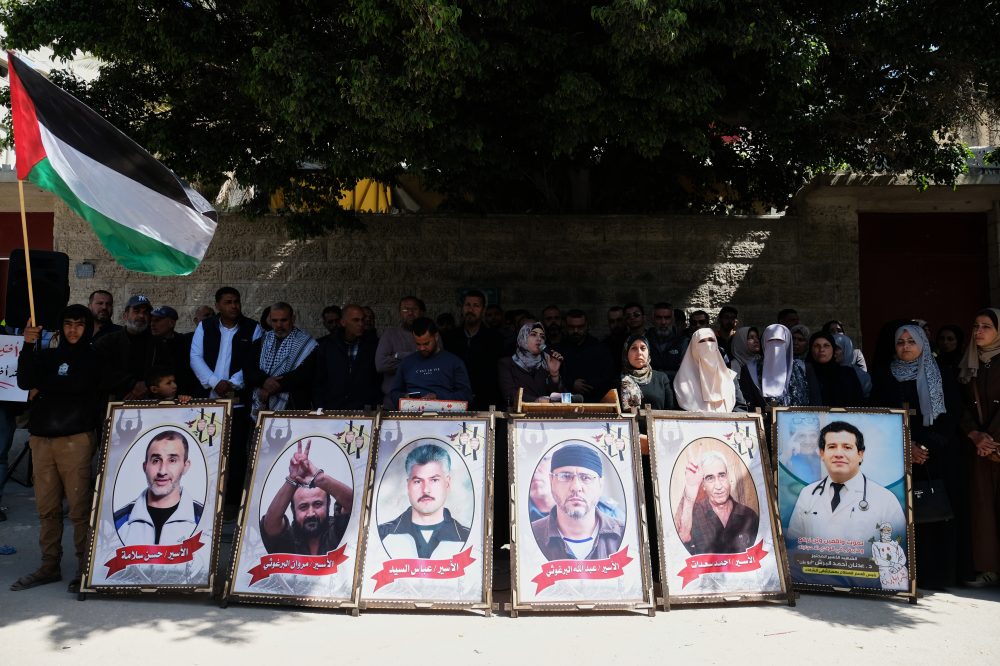
Protesters in Nablus voiced support by chanting “You are the symbol of struggle, You are the symbol of steadfastness,” while displaying photographs of imprisoned relatives and friends.
The Fatah movement called for a comprehensive work stoppage in northern West Bank areas for Wednesday. Palestinian leadership issued condemnations claiming the death penalty legislation breaches international legal standards and urged global intervention. The Palestinian Foreign Ministry demanded sanctions against Israel’s parliament and its removal from international organizations.
“The law represents a critical turning point in the formalization of extrajudicial killings under a legal guise,” the statement said. “The Ministry stresses that this law, in its essence, constitutes an institutionalized policy of field executions based on discriminatory and racist standards.”
The bill’s approval represented the achievement of a multi-year campaign by Israel’s far-right politicians to increase penalties for Palestinians convicted of attacks against Israelis. Following the vote, Ben-Gvir posted a video on X showing himself celebrating with champagne. Israeli human rights organizations and opposition legislators announced plans to file a Supreme Court petition seeking to invalidate the law.
Amnesty International warned that implementing the death penalty under this new legislation could breach fundamental rights to life and prohibitions against torture and cruel punishment established under international law.
In Gaza, demonstrators gathered outside Red Cross offices where women wearing hijabs displayed large portraits of prominent Palestinian prisoners including Marwan Barghouti.
The legislation also affects Israeli courts, authorizing them to impose capital punishment on Israeli citizens convicted of nationalist-motivated murder — terminology that legal analysts say effectively limits death sentences to Palestinian citizens of Israel while exempting Jewish citizens.