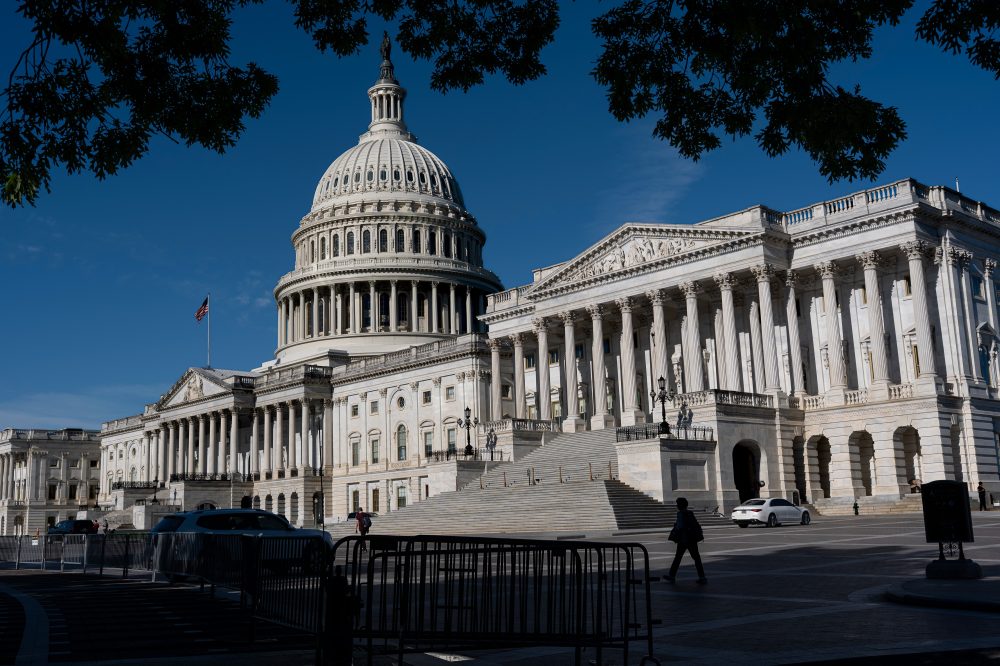

BEIRUT (AP) — High-level representatives from Israel and Lebanon began their third round of face-to-face negotiations in Washington on Thursday, racing against time as a temporary ceasefire nears its expiration date while combat between Israeli forces and the Lebanese militant organization Hezbollah persists.
Officials from Lebanon express optimism that these two-day discussions will produce a lasting ceasefire agreement and create a pathway to address complex challenges, such as removing Israeli military units from southern Lebanese territory and dismantling Hezbollah’s arsenal.
The Trump administration has been working to achieve a diplomatic breakthrough between these neighboring nations, which have remained technically at war since Israel’s establishment in 1948.
However, Hezbollah remains excluded from these discussions and has publicly condemned Lebanon’s participation in face-to-face negotiations with Israel.
Despite a U.S.-mediated ceasefire implemented on April 17, Israel and the Iranian-supported militant organization have maintained almost continuous exchanges of fire along their shared border. The initial 10-day pause in hostilities was subsequently extended for an additional three weeks.
U.S. Secretary of State Marco Rubio, who participated in the initial Israel-Lebanon meetings in Washington during April, was accompanying President Donald Trump on a diplomatic trip to China and was absent from Thursday’s session.
These current discussions mark progress toward more substantive negotiations, featuring senior-level representatives from both Lebanon and Israel, following earlier preparatory meetings led by each nation’s ambassadors to Washington.
Simon Karam, Lebanon’s lead negotiator for Thursday’s talks, serves as a lawyer and well-connected former Lebanese ambassador to the United States who recently represented Lebanon in indirect discussions with Israel regarding ceasefire implementation that preceded the most recent outbreak of hostilities between Israel and Hezbollah. Israel’s delegation was expected to include Deputy National Security Adviser Yossi Draznin.
Substantial differences persist regarding what each side hopes to achieve through direct negotiations. Israeli representatives have emphasized dismantling Hezbollah and characterized the talks as potentially leading to normalized diplomatic ties. Lebanese representatives have indicated they seek a security arrangement or armistice that would fall short of full normalization.
Trump has publicly advocated for a meeting between Lebanese President Joseph Aoun and Israeli Prime Minister Benjamin Netanyahu, though Aoun has refused to meet or communicate directly with Netanyahu at this time — a decision that would likely provoke domestic criticism in Lebanon.
A senior Lebanese official with knowledge of the Washington negotiations said Thursday that Lebanon seeks a comprehensive ceasefire initially, followed by negotiations over Israeli force withdrawal. The matter of Hezbollah’s weaponry would be addressed through Lebanon’s political processes afterward, he explained. The official requested anonymity to discuss the talks candidly.
He indicated Lebanon is “relying heavily on the U.S. administration” to provide negotiating leverage against Israel and believes Trump is “sincere” in his commitment to assist Lebanon.
The official reported that during Trump and Aoun’s recent conversation, Trump did not pressure Aoun to meet or speak with Netanyahu and showed understanding when Aoun explained his refusal. According to the official, Aoun informed Trump that meeting and shaking hands with Netanyahu in Washington, only to have talks collapse later, could create domestic consequences in Lebanon and damage Trump’s credibility.
Aoun informed Trump that if both countries successfully negotiate a security agreement, he would visit the White House to “inaugurate” it, to which Trump replied “I like that,” the official stated.
Should Israel agree to a ceasefire and withdraw from occupied southern Lebanese territory, the official believes Hezbollah would accept an arrangement where it transfers its weapons to Lebanon’s army, which could retain some and destroy others. This plan could include allowing individual Hezbollah fighters to enlist in Lebanon’s army if they satisfy eligibility criteria, he explained.
Meanwhile, Israeli Ambassador to the U.S. Yechiel Leiter told Israeli news site Walla News Thursday that Israel seeks “to negotiate for full peace as if Hezbollah does not exist — borders, embassies, visas, tourism, everything.” Despite Lebanese officials’ statements that diplomatic normalization is not currently under consideration, he expressed belief that “it is possible to reach such an agreement within a few months.” However, he noted, “it would be conditioned on the success of the second track — dismantling Hezbollah.”
Thursday’s negotiations began hours after a Hezbollah drone detonated within Israel, wounding three civilians, two critically, according to Israeli military and hospital sources. This marked the first civilian casualties from Hezbollah projectiles since the ceasefire began, based on reports from Israel’s rescue service, Magen David Adom.
Israel has found it challenging to prevent regular Hezbollah drone strikes against Israeli forces in southern Lebanon and across the border in northern Israel.
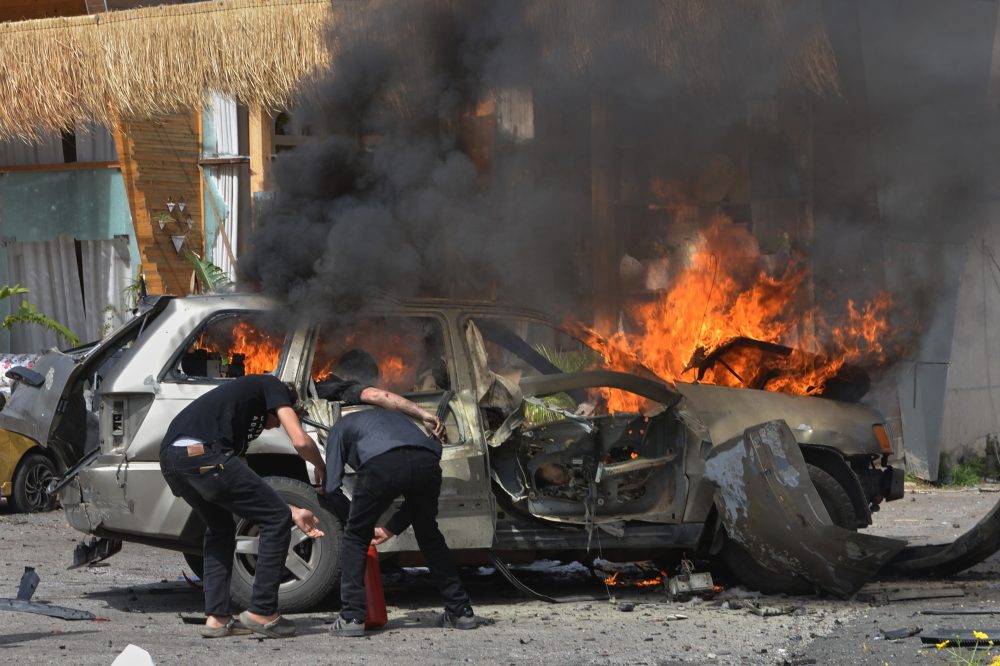
Israel has maintained its strikes within Lebanon. On Wednesday, Israeli forces hit seven vehicles in Lebanon — three on the primary highway south of Beirut — resulting in 12 deaths including a woman and her two children, Lebanon’s Health Ministry reported. Subsequent strikes in southern Lebanon killed an additional 10 people, including six children, the ministry stated.
Lebanon’s Health Ministry reports that since fighting began on March 2, 2,896 people have died — approximately 400 since the nominal ceasefire took effect — with 8,824 injured. On the Israeli side, 18 Israeli soldiers, two Israeli civilians within Israel, and one defense contractor working in southern Lebanon have been killed.
U.N. peacekeeping forces in southern Lebanon have also suffered casualties, with six deaths reported.