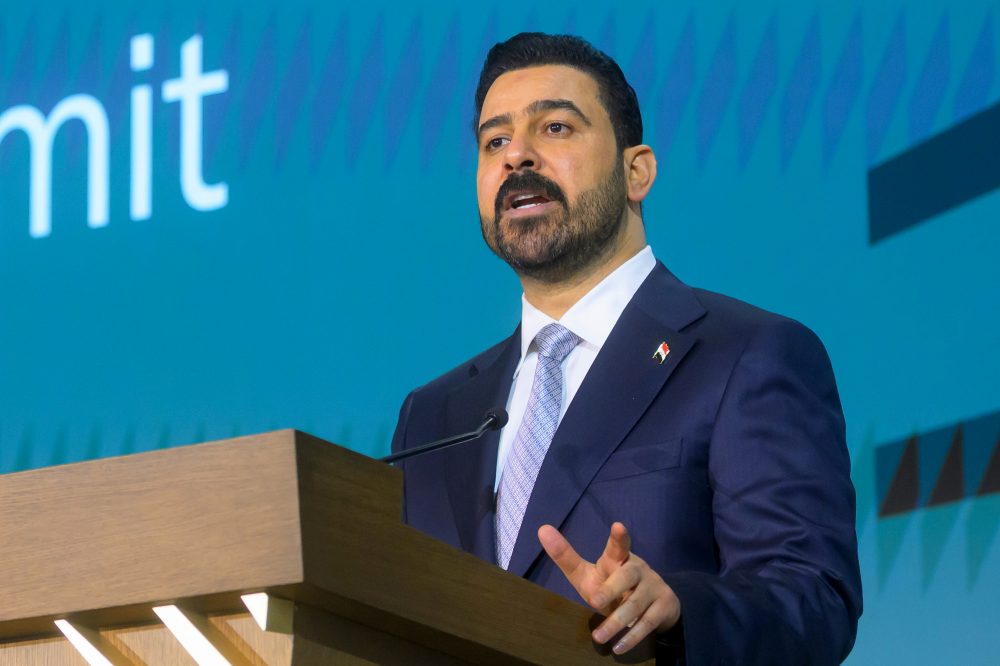

ANKARA, Turkey — Iraqi Prime Minister Ali al-Zaidi touched down in Turkey on Tuesday for a series of diplomatic meetings expected to center on a proposed oil pipeline that would give Iraq’s petroleum exports an alternative route, reducing the country’s vulnerability to rising tensions in the Gulf region. This marks al-Zaidi’s third overseas trip since he took office.
Turkish officials confirmed that al-Zaidi’s schedule includes sit-downs with President Recep Tayyip Erdogan and other senior officials, with topics ranging from national security and energy to trade, transportation, and water management.
A statement released by the Iraqi prime minister’s office indicated the two sides plan to explore “joint infrastructure projects in a way that serves the interests of the two neighboring countries.”
Al-Zaidi came to power as a compromise candidate after Iraq experienced months of political gridlock over the prime minister’s position following last year’s parliamentary elections. His stop in Ankara follows earlier visits to Washington and Tehran.
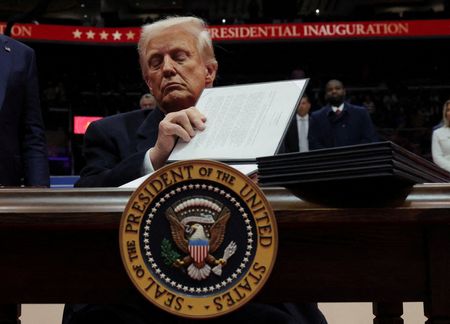
After meeting with U.S. President Donald Trump earlier this month, American companies signed approximately $60 billion worth of agreements and partnerships with the Iraqi government. Those deals included arrangements aimed at creating new pathways for moving oil out of the Persian Gulf.
Among the infrastructure projects being considered is a pipeline that would run from Basra in southern Iraq to Haditha in the west, and then extend to Turkey’s Ceyhan port as well as the Syrian coastal port of Baniyas.
The diplomatic visit also comes at a significant moment in Turkey’s decades-long conflict with the Kurdistan Workers’ Party, known as the PKK, whose fighters are largely stationed in northern Iraq. Last year, the PKK announced it would lay down its weapons and disband as part of ongoing peace efforts, later holding a symbolic ceremony in northern Iraq where dozens of fighters burned their weapons in a large cauldron.
Turkey is now moving toward passing legislation to help push the peace process forward, which is expected to include a limited amnesty that could allow certain militants to return to Turkey.
The PKK has carried out an armed insurgency since 1984, a conflict that has claimed tens of thousands of lives. The organization is classified as a terrorist group by Turkey, the United States, and the European Union.