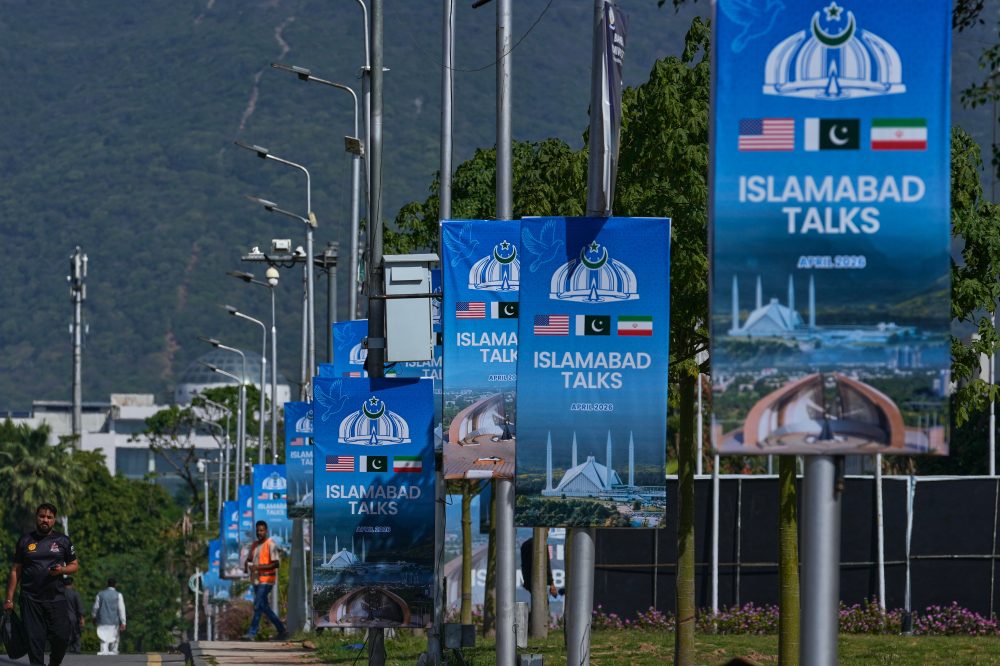

DUBAI, United Arab Emirates (AP) — A critical two-week ceasefire in the Iran conflict is set to expire Wednesday at 8 p.m. Eastern Time, with Pakistan’s capital city making preparations for potential renewed diplomatic discussions between Iran and the United States.
The temporary truce, which involves Iran, Israel and the United States, was established following several ultimatums issued by President Donald Trump that at one point threatened Iran’s entire “civilization.” Given the pattern of previous deadline extensions and last-minute developments, additional delays or unexpected shifts are anticipated before the Wednesday cutoff.
Potential negotiations in Islamabad face significant obstacles as the ceasefire deadline approaches, with discussions expected to focus on the Strait of Hormuz situation, Iran’s nuclear activities and related matters. The fragile nature of the truce became evident over the weekend when Iran launched attacks on vessels in the strait, while U.S. forces intercepted and seized an Iranian ship attempting to evade the American naval blockade, demonstrating that renewed warfare remains a possibility.
The temporary halt in hostilities commenced on April 8, although Iranian forces continued targeting Gulf Arab nations and Israel even after the ceasefire took effect. A puzzling assault on an Iranian petroleum facility located on an island also occurred that same day. Despite these incidents, the ceasefire has generally remained intact. Without an agreed-upon extension from all parties – either through public statements or by allowing the deadline to pass without resuming combat operations – the two-week agreement will lapse on April 22. The absence of any diplomatic breakthrough significantly increases the risk of renewed conflict.
Pakistan previously hosted negotiations between Iranian and American representatives from April 11 through the early hours of April 12. These discussions marked the most senior-level diplomatic contact between the two nations since Iran’s 1979 Islamic Revolution, with U.S. Vice President JD Vance participating, though no agreement was reached. Recent preparations by Pakistani officials mirror those made for the initial talks, indicating another round of negotiations may be planned, though neither Iran nor the United States has yet dispatched diplomatic teams to Pakistan.
The Strait of Hormuz, a crucial waterway at the Persian Gulf’s entrance through which one-fifth of global oil and natural gas shipments travel, remains essentially blocked due to Iranian military actions in the area, including attacks that occurred on Saturday. Additional concerns exist that Iran may have placed explosive mines in shipping lanes typically used during peacetime. Reports indicate Iran has been demanding up to $2 million per vessel for safe passage through the strait since the conflict began. Reopening this vital shipping route represents a primary objective in ongoing negotiations and serves as Tehran’s most significant bargaining chip against Washington, especially as nations worldwide implement energy rationing and face potential jet fuel shortages. This weekend, U.S. Navy forces targeted an Iranian cargo vessel that attempted to breach the American blockade, with Marines boarding the ship via helicopter.
Iran’s stockpile of weapons-grade uranium remains within the country’s borders, presumably buried at enrichment facilities that were bombed during a 12-day conflict last June. Iran has not conducted uranium enrichment since that time but continues to assert its right to do so for civilian purposes while denying any intention to develop nuclear weapons. Both Trump and Israeli officials have demanded that Iran completely eliminate its nuclear program and surrender its existing uranium stockpile. Iran refused these terms in a 10-point proposal it submitted for ending the war.