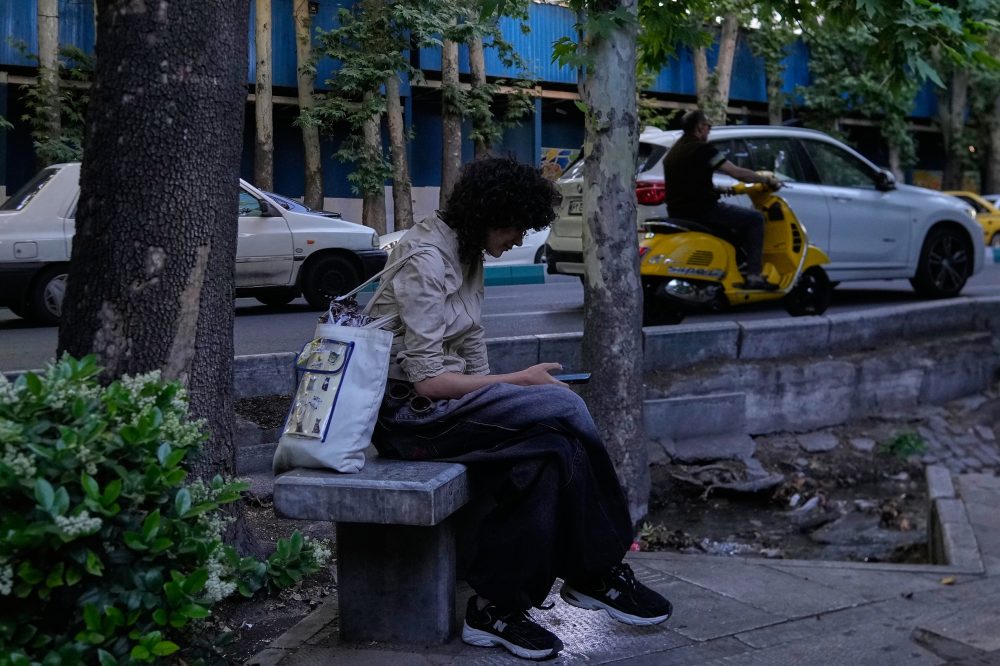

Iranian citizens started getting back online Wednesday as government officials ended an internet blackout that lasted for months. However, people using the restored service report sluggish connections and patchy coverage across different regions, with popular platforms such as YouTube and Instagram still facing significant limitations similar to restrictions that existed before the January cutoff during widespread protests.
Government officials defended the internet blackout as necessary for military reasons following strikes by the United States and Israel against Iran on Feb. 28. The decision to restore partial connectivity this week coincided with ongoing negotiations that appear to be moving toward a lasting ceasefire agreement. Many Iranian citizens worry that internet access could be severed again without warning.
According to internet monitoring firm Netblocks, Iran’s connectivity levels – which track how well devices can reach the internet – have reached approximately 86% of pre-shutdown capacity. Meanwhile, data from internet analysis company Kentik shows that actual internet traffic, measuring data transfer volumes and indicating real usage patterns, sits at roughly 40% of previous levels.
Iranian cybersecurity expert Amir Rashidi noted that significant service interruptions persist across the country. “It’s too early to say the shutdown is over,” he posted on X.
The country’s approximately 90 million residents experienced one of the globe’s most extensive and restrictive national internet blackouts for the majority of 2026. Young professionals whose livelihoods depended on online work watched their earnings disappear completely. Employment losses and the collapse of internet-based businesses compounded the conflict’s already severe economic impact.
The communication blackout created enormous challenges for Iranian families trying to stay in touch during months of civil unrest and warfare. During certain periods, telephone services were also disconnected, though these were eventually restored.
One Tehran resident explained that for months she could barely maintain contact with her sons living in other countries. She expressed disbelief that officials had actually restored internet access, saying she had expected authorities to find reasons to extend the blackout indefinitely.
A taxi driver confirmed that service had returned but remained unreliable. He voiced optimism that connections would strengthen enough for him to use messaging applications with relatives and friends. Both individuals requested anonymity due to safety concerns.
Internet costs skyrocketed during the shutdown period, with Tehran residents sometimes paying approximately $7.50 per gigabyte. Pricing has now dropped back to around $2.25 for 30 gigabytes, returning to levels seen before the protest movement began.
Even before the complete shutdown, Iran maintained strict controls over access to major social media platforms, forcing many users to depend on virtual private networks or VPNs. The expense of these workaround tools increased dramatically during the blackout, putting them beyond the financial reach of many people as the economy suffered severe damage.
Companies are beginning to establish their online presence again, posting announcements about their return on platforms including Instagram and Telegram.
A gaming content creator and technology influencer from the central city of Isfahan described how the shutdown devastated his audience on YouTube and Instagram, where he had invested years building a substantial following.
“All my views and interactions are way down. I’ve been erased from the algorithm,” he explained in a voice message sent through WhatsApp, noting that his internet connection remained slower than pre-shutdown speeds.
“The situation is such that many content producers have had their income reduced to zero, have moved on to other jobs, or have been forced to sell their equipment to survive,” he continued. He also requested anonymity due to fears of government retaliation.
Iranian officials initially cut internet access in January as massive anti-government demonstrations erupted across the nation before being violently suppressed. The crackdown resulted in thousands of deaths and tens of thousands of arrests.
Just as that initial cutoff was beginning to be relaxed, the government implemented a total internet blackout following the outbreak of war, after U.S. and Israeli attacks killed Iran’s supreme leader along with other senior officials.
The extended shutdown drew widespread criticism as it inflicted additional damage on an economy already struggling with inflation, attacks on critical industries, and a U.S. blockade affecting Iranian ports.
The internet blackout generated estimated daily losses of $30-40 million, with indirect economic damage likely reaching twice that amount, according to Iran’s Chamber of Commerce member Afshin Kolahi, who spoke to a local newspaper last month. Communications Minister Sattar Hashemi reported that roughly 10 million people work in jobs requiring internet connectivity.
Citizens retained access to a domestic network during the shutdown, but this system offered much more limited functionality, with users complaining about poor performance and extensive censorship. High-ranking government officials received special SIM cards providing them access to the global internet. Facing mounting pressure, authorities eventually expanded SIM card access to include certain professional groups during the blackout period.