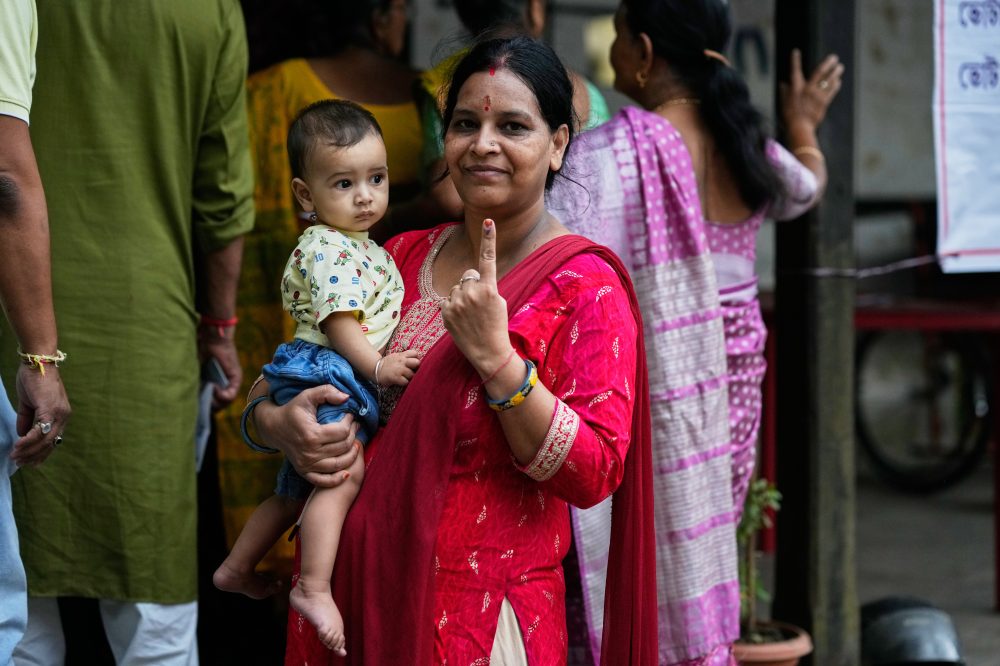

NEW DELHI (AP) — Polling commenced Thursday across India’s Assam and Kerala states, along with the federal territory of Puducherry, marking the beginning of crucial regional elections that will gauge Prime Minister Narendra Modi’s political influence beyond his party’s traditional base.
These contests feature Modi’s Bharatiya Janata Party and its regional partners competing against various opposition groups. Currently, the BJP-led National Democratic Alliance controls Assam and Puducherry, while opposition forces govern Kerala.
Voting will extend to two additional opposition-controlled regions, West Bengal and Tamil Nadu, before the month concludes. Official results across all five areas are scheduled for release on May 4.
The electoral process unfolds as citizens grapple with escalating fuel prices and reduced availability of cooking gas stemming from ongoing Middle Eastern conflicts.
These results may reveal whether Modi’s political organization can expand its influence by penetrating territories where opposition parties have historically held sway. Strong performance would strengthen his federal administration, particularly after the 2024 national elections required his party to depend on regional partnerships for government formation.
For opposition movements nationwide, these elections represent a vital opportunity to establish sustained resistance against BJP control.
In Assam, located in India’s northeast region, the BJP campaigns for re-election by promoting strict immigration policies, addressing a divisive topic in this state that shares borders with Bangladesh. The ruling party’s messaging centers on preventing illegal entry by Bengali-speaking Muslim populations.
Kerala state in southern India offers distinct challenges, where governance has historically shifted between coalitions led by the Indian National Congress and communist organizations. Modi’s party faces difficulties establishing influence there despite significant investment in regional expansion efforts.
Within Puducherry, the small federal territory, the BJP depends on partnership with local political groups to maintain its governing position.
West Bengal represents the most closely monitored and controversial upcoming contest, where the regional Trinamool Congress party has maintained control through three successive terms. Modi’s organization has never held power in West Bengal, and disputes over voter registration procedures have heightened political friction.
Opposition groups claim that election officials’ Special Intensive Revision process has prevented millions of citizens, particularly Muslim minorities, from participating in voting. India’s Election Commission has rejected these accusations, stating the review removed deceased, duplicate, and fraudulent voter registrations.
Comparable registration reviews have occurred in multiple states throughout the country.